Microsoft study: healthcare and hands-on jobs least exposed to AI; no simple “20 safest” list, researchers say
A Microsoft Research analysis of 200,000 anonymized Bing Copilot conversations assigns an “AI applicability” score to occupations, finding high exposure in communication and office work while showing lower exposure in healthcare and hands-on blue‑collar roles, emphasizing task augmentation over wholesale replacement.
Key takeaways
- Microsoft created an AI applicability score from 200,000 anonymized Bing Copilot conversations to measure where generative AI is already useful. Source: Microsoft Research.
- Highest applicability: information, writing and communication tasks (researchers, writers, customer service, sales, postsecondary teachers).
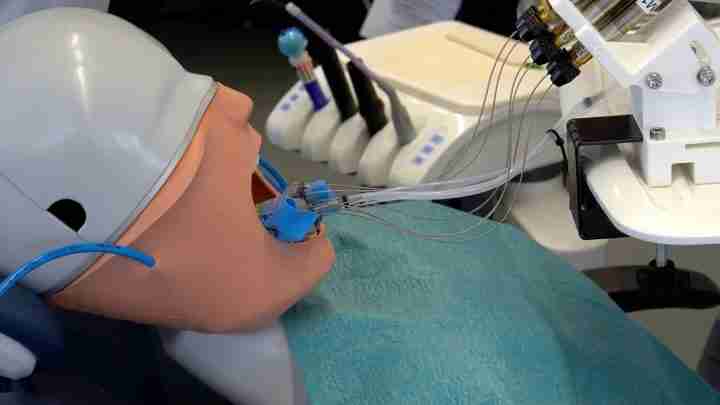
- Lowest applicability: healthcare, many blue‑collar and hands‑on roles where physical tasks and complex human judgment dominate.
- No published “20 safest” list: Microsoft did not provide a definitive ranking of the 20 least‑exposed jobs — any list is an interpretation of low‑exposure scores.
Main content
Key information
Dataset and method: Microsoft analyzed 200,000 anonymized, privacy‑scrubbed Bing Copilot conversations to derive an AI applicability score based on coverage, completion rate and impact scope. Full methodology and paper are available from Microsoft Research.
Reporting and summaries: Coverage and interpretation of the ranked occupations were summarized in trade reporting; see a journalistic summary at Fortune.
Research emphasis: the study highlights task transformation and augmentation — AI helps with parts of work (drafting, summarizing, researching) rather than fully performing occupations.
What Microsoft measured — and what it did not
Microsoft measured where generative AI (large language models and Copilot‑style tools) is already applied to job tasks. The AI applicability score combines three signals: coverage (use frequency), completion rate (success when used) and impact scope (share of task handled). The data reflect 2024 Copilot conversations and do not forecast long‑term job losses; instead they identify current usefulness and likely task changes. See the methodology at Microsoft Research.
Important caveat: Microsoft warns that other AI systems (robotics, sensors, computer vision) could affect hands‑on roles differently; this study focuses on generative AI tools. For further context read Applicability vs. job displacement from Microsoft Research.
Which jobs showed higher AI applicability?
The highest applicability scores clustered in information‑centric, communicative, and writing tasks. Examples reported by Microsoft and in media summaries include:
- Interpreters and translators
- Historians and archivists
- Writers and authors
- Customer service representatives
- Sales representatives
- Postsecondary teachers in subjects such as economics and business
These examples illustrate the pattern: roles relying on research, drafting and communication are where generative AI already provides the most support. Source summary: Fortune and Microsoft Research.
Which jobs showed lower AI applicability?
Lower applicability scores appeared in occupations that require physical, hands‑on work or complex human care and nonroutine interpersonal judgments. The study and reporting point to:
- Home health and personal care aides (also highlighted for strong job growth by BLS)
- Many nursing and direct‑care tasks where bedside judgment and human contact matter
- Blue‑collar roles such as machine operators, construction trades and vehicle operators
Microsoft cautions the result reflects generative AI; other AI modalities could change exposure for some blue‑collar occupations. Sources: Microsoft Research and Fortune.
No definitive “20 safest” list
Media interest in a tidy “20 jobs AI is least likely to impact” list outpaced what the study provides. Microsoft published occupation‑level applicability scores and patterns; it did not issue a specific 20‑item ranking. Any published “top 20” is an interpretation of lower‑scoring occupations, not a Microsoft list. See Microsoft notes on interpretation: Applicability vs. job displacement (blog).
What employers are planning
Separately, Microsoft’s 2025 Work Trend Index shows many employers are hiring AI‑specific roles — AI trainer, AI data specialist, AI security specialist, AI agent specialist, Chief AI Officer — and preparing to operate with human‑AI teams.
Implications for California
Economic impact
California’s economy mixes sectors with low immediate generative‑AI exposure (health care, construction, manufacturing, personal services) and high‑exposure clusters (tech, media, marketing, analytics). That implies limited short‑term displacement risk in many dominant sectors but a clear need for investment in retraining and job redesign. Source: Microsoft Research and the Work Trend Index.
Political consequences
Policymakers will weigh workforce support, procurement and regulation. For a moderate conservative audience, recommended approaches include targeted retraining for midcareer workers, employer incentives for on‑the‑job upskilling, and outcome‑focused regulation for AI used in critical services such as health care.
Social effects
Healthcare roles that require human contact should remain in demand amid California’s aging population. Administrative and writing jobs may see rapid task change, pressuring middle‑skill workers toward short‑term credentials, apprenticeships and community‑college programs to smooth transitions.
Cultural relevance
California’s dual priorities — innovation and worker protections — align with the study’s message that AI often augments human work rather than replaces it. Clear communication of that balance can reduce fear and encourage practical adaptation.
Practical applications for residents
- Healthcare workers: expect AI assistance for charting, summaries and decision support; bedside care remains central. Consider short courses in AI‑assisted care workflows. Source: Microsoft Research.
- Office and communications workers: learn AI drafting, summarizing and research tools; employers may offer or require on‑the‑job training. Source: Fortune.
- Small businesses and trades: invest in productivity tools and niche digital skills that complement hands‑on expertise. Source: Microsoft Work Trend Index.
Sources and further reading
- Microsoft Research: “Working with AI: Measuring the occupational implications of generative AI”
- Microsoft Research blog: Applicability vs. job displacement notes
- Fortune: coverage of Microsoft research and occupation summaries
- FinalRoundAI: summary of occupations and AI impact
- Microsoft 2025 Work Trend Index (hiring and AI roles) and Work Trend Index report