California Issues Urgent Warning After 21 Amatoxin Poisonings Linked to Likely Death Cap Mushrooms
California health officials issued an urgent statewide warning after 21 confirmed amatoxin poisonings, likely from death cap mushrooms, affecting adults and children; the outbreak includes one death and multiple severe liver injuries, prompting a ban on foraging.
- California Department of Public Health reports 21 confirmed amatoxin poisonings, likely caused by death cap mushrooms.
- Cluster includes one adult death and multiple patients with severe liver damage; at least one patient may need a liver transplant (source).
- Cases were reported in Monterey County and the San Francisco Bay Area, but officials warn the risk is statewide and advise against foraging (ABC7 report).
What happened
State health officials, including the California Department of Public Health, notified the public after a string of severe poisonings linked to amatoxin-containing mushrooms. The 21 confirmed cases are likely tied to death cap mushrooms (Amanita phalloides), a species known to cause deadly liver injury. Illnesses were reported in Monterey County — where people reportedly ate mushrooms collected in a local park — and in the San Francisco Bay Area. Officials emphasize the danger may be statewide and urged broad caution.
Why officials say this is so dangerous
Amatoxins are among the most potent natural liver poisons and can destroy liver cells, leading to acute liver failure and death. Crucially, these toxins are heat-stable: cooking, drying, or freezing does not neutralize them, so appearance, smell, or taste are unreliable safety guides. Death cap mushrooms can closely resemble edible species, including varieties familiar to some immigrant communities, increasing misidentification risk. They commonly appear in wet seasons near oaks and other hardwoods in urban and suburban parks, yards, and green spaces.
How amatoxin poisoning typically unfolds: amatoxin poisoning symptoms
Health experts describe a three-stage pattern:
- Stage 1 (0–24 hours): nausea, vomiting, diarrhea, and abdominal cramps.
- Apparent recovery: symptoms may ease, creating a deceptive sense of improvement.
- Delayed liver injury (24–72+ hours): jaundice, bleeding, reduced urine output, confusion, and other signs of acute liver failure. Early gastrointestinal improvement does not mean the threat has passed.
Who is being affected
The 21 confirmed cases include both adults and children. National poison center data show mushroom exposures are common — America’s Poison Centers reported more than 4,500 exposures to unidentified mushrooms in 2023, with roughly half involving young children who may pick and ingest mushrooms while playing. Children are particularly vulnerable because small amounts can be dangerous and symptoms can progress rapidly.
Official warning and guidance
CDPH and regional poison control centers advise clear, practical steps:
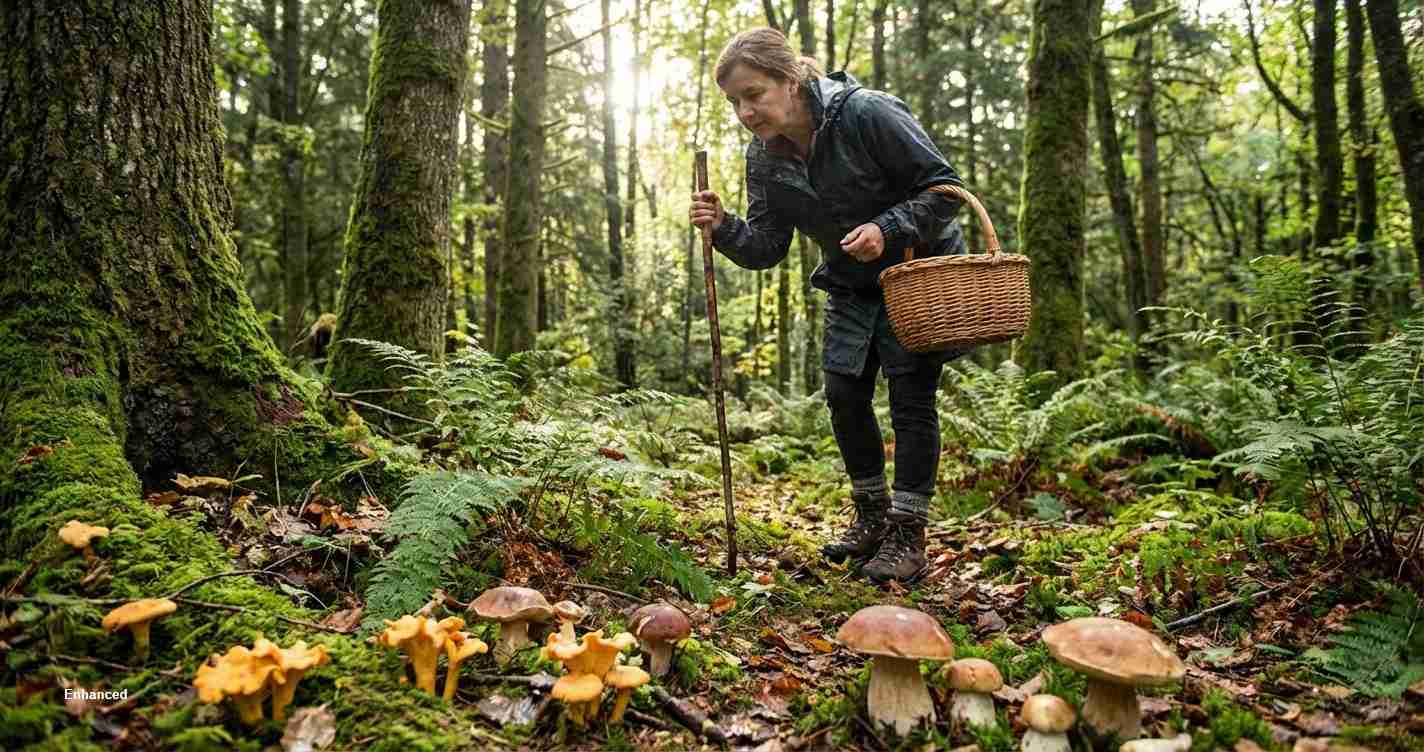
- Do not forage or eat wild mushrooms in California unless working directly with a highly trained, certified mycologist (official notice).
- Avoid relying on appearance, color, taste, or cooking to judge safety — amatoxins are not destroyed by heat.
- During high‑risk wet seasons, refrain from foraging and keep pets and children away from wild mushrooms.
What to do if exposure is suspected
If someone may have eaten a wild mushroom, take immediate action:
- Call the Poison Control Hotline at 1-800-222-1222 for immediate guidance.
- Seek urgent medical evaluation, especially if gastrointestinal symptoms begin within 24 hours of suspected ingestion — early care can improve outcomes.
- If safe, keep any remaining mushroom pieces or take clear photos to help toxicologists and mycologists identify the species, but do not delay medical care to collect specimens.
Clinical impact and hospital care
Several recent patients suffered severe liver damage and required intensive care; at least one may need a liver transplant. Treatment centers emphasize supportive care, frequent monitoring of liver function, and transfer to transplant-capable centers if liver failure develops. Because liver injury is often delayed, clinicians typically observe potentially exposed patients for several days even if initial stomach symptoms improve.
Broader context: outbreaks, surveillance, and public health response
California records hundreds of wild mushroom poisonings annually. Public health agencies monitor cases through hospitals and poison control data, investigate clusters, and issue warnings when patterns indicate local or statewide threats. Wet weather commonly increases mushroom proliferation and the chance of exposures in parks, yards, and urban green spaces. Rapid detection and public messaging are key to preventing additional cases.
Implications for California
Economic and public services impact
Severe amatoxin cases can demand ICU resources and liver transplants, straining specialized medical services. Park managers may face calls to post warnings, remove visible mushrooms, or temporarily restrict access to high‑growth areas, which could affect local recreation and tourism.
Political and policy consequences
Officials may be asked to enhance public messaging, fund testing or signage, and improve coordination between public health, parks departments, and poison control centers. Targeted education in multiple languages and improved alerts during high‑risk seasons are likely policy responses.
Social and community effects
Families should be alert when children play outdoors. Public health outreach must balance safety with cultural sensitivity: some immigrant communities forage species familiar from other regions, so messaging should be multilingual and non‑stigmatizing.
Practical advice for Californians
- Do not forage wild mushrooms unless working directly with a certified mycologist.
- Keep children and pets away from mushrooms in yards and parks; remove growth with gloves and dispose in sealed bags.
- If ingestion is suspected, call 1-800-222-1222 and seek immediate medical care; have photos or samples available if safe to collect.
Reporting and sources
This article is based on reporting and statements from the California Department of Public Health and poison control officials, summarized by Times Media Service and posted at ABC7. Preserve all original facts and the full source for verification.
“Do not forage or eat wild mushrooms in California unless you are working directly with a highly trained, certified mycologist.” — California Department of Public Health