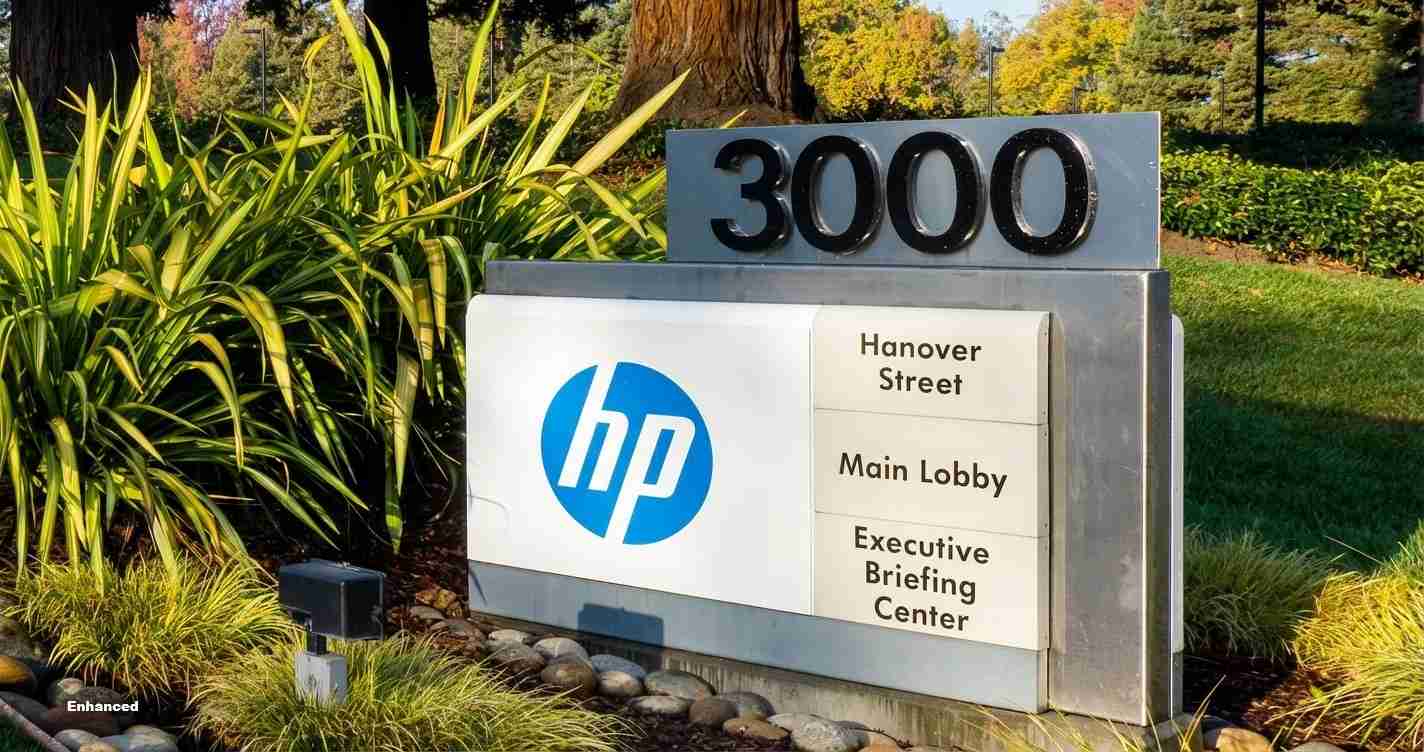
HP to cut up to 6,000 jobs by 2028 in sweeping AI-driven overhaul
HP Inc. announced a global restructuring on Tuesday, planning to cut between 4,000 and 6,000 jobs by fiscal 2028 — up to about 10% of its workforce — to speed AI product development and achieve significant cost savings.
Key takeaways
- Job reductions: HP plans to cut 4,000–6,000 positions globally by fiscal 2028 — roughly up to 10% of its workforce, according to American Bazaar Online.
- Cost goal: The company aims for $1 billion in gross run rate savings over three years via workforce reductions and other cost controls (American Bazaar Online).
- AI focus: AI-enabled PCs accounted for more than 30% of HP’s shipments in the quarter ended Oct. 31, 2025, underscoring the pivot toward AI-driven devices (American Bazaar Online).
- Near-term pressures: Higher memory-chip prices could hurt results in late fiscal 2026; HP signaled supplier changes, lower memory configurations and price increases to mitigate the impact (American Bazaar Online).
What HP is changing and why
HP’s leadership framed the cuts as part of a strategic pivot toward AI-enabled products and faster product development. Executives say streamlining teams will allow HP to move more quickly on AI features and integrations that are increasingly central to demand for personal computers and printers.
The plan targets roles across product development, internal operations and customer support, areas the company says can be reshaped around AI tools and automated workflows to boost productivity and customer outcomes (American Bazaar Online).
“Shipments of AI-enabled PCs are becoming a larger part of our business,” HP executives said, noting AI devices made up more than 30% of shipments in the quarter ended Oct. 31, 2025 — a signal of rising market appetite for built‑in AI capabilities (American Bazaar Online).
Financial pressures and cost-management moves
HP is pursuing $1 billion in gross run rate cost savings over the next three fiscal years. Management projects those savings will come from workforce reductions alongside additional cost-control steps as the company navigates rising component costs.
HP warned that higher memory-chip prices — tied in part to increased demand from data centers — will create headwinds in the second half of fiscal 2026. To offset this, the firm plans to qualify lower-cost suppliers, reduce memory configurations in some products, and implement price increases where the market allows.
The company’s first-quarter adjusted earnings guidance — $0.73 to $0.81 per share — sits with a midpoint slightly below recent analyst expectations, reflecting short-term pressures even as longer-term restructuring is announced (American Bazaar Online).
How this fits into a broader wave of tech layoffs
HP’s announcement is part of a wider pattern of workforce reductions across 2025 in technology and other sectors. Major employers this year have announced significant cuts — for example, Amazon reduced about 14,000 corporate roles and Paramount cut roughly 1,000 positions — moves companies say respond to slower growth and shifting cost structures.
Economists note these decisions often reflect firms adjusting to “new market conditions marked by slower growth, higher costs, and rapid technological transformation,” according to Dan North, senior economist at Allianz Trade Americas (reported by American Bazaar Online). Federal Reserve Chair Jerome Powell has described the labor market as “very gradual cooling,” a backdrop that may be encouraging companies to sharpen cost structures while investing in automation and AI.
A continuing transformation at HP
This is not HP’s first recent restructuring. In February 2025, the company reduced its workforce by roughly 1,000 to 2,000 employees in an earlier cost-savings effort. The current plan represents a more significant phase of HP’s multi-year transformation to reshape product mix and operations around AI and profitability goals (American Bazaar Online).
What this means for workers and customers
For employees: The restructuring aims to shift labor toward higher-value activities by leveraging AI to automate routine work. Some roles will be eliminated, while others may be redefined, reskilled or moved into different parts of the company.
For customers and enterprise buyers: HP’s shift could bring faster rollout of AI features in PCs and printers, but may produce short-term disruptions in support and service as teams are reorganized.
Implications for California
Economic impact
- Jobs and local economy: As a Palo Alto-headquartered firm, HP’s cuts will affect the Bay Area labor market. Even if only a fraction of the 4,000–6,000 roles are U.S.-based, reductions in engineering, support and operations jobs can depress local spending and affect small businesses.
- Real estate and services: Fewer local employees can ripple into commercial leasing, retail and service sectors in Silicon Valley communities where tech payrolls drive demand for restaurants, housing and professional services.
Political consequences
- Local scrutiny and policy debate: Cuts may prompt calls from California lawmakers and officials for stronger support for displaced workers and greater emphasis on workforce development programs — a balance of business-friendly climate and worker transition support.
- Tax and incentives discussion: The restructuring could renew debate over the value of incentives and policies that encourage firms to retain skilled jobs in California while staying competitive globally.
Social effects
- Workforce transitions: Displaced employees will likely seek roles at other Bay Area firms, startups, or remote positions; community colleges and reskilling providers will be tested for rapid retraining capacity.
- Inequality and displacement: Layoffs in higher-paid tech jobs can have downstream effects on housing affordability and service-worker employment, deepening strains in already-costly communities.
Cultural relevance
HP’s decision underscores a broader shift in Silicon Valley — from labor-intensive product teams to leaner organizations that rely more on AI-driven tools. That dynamic challenges the regional identity built around large engineering teams and hands-on hardware development.
Innovation vs. workforce stability will be a central local conversation as business leaders and civic groups weigh the long-term benefits of AI investment against immediate costs to workers.
Practical applications for residents
- Support and resources: Displaced workers can turn to California’s employment services, local workforce boards and community colleges for job placement and retraining. Local non-profits and industry groups often offer transition assistance for tech workers.
- Opportunities: HP’s pivot creates openings in AI product design, data services and higher-level roles tied to AI integration; others may consider adjacent fields or remote AI-focused positions.
Reporting notes and sources
This article draws on HP’s restructuring announcement and reporting by American Bazaar Online. Details on workforce reductions, financial targets and strategy are summarized from that reporting. Additional context on tech-sector layoffs in 2025 and expert commentary referenced here are also from the same article.
Parent Publication: Times Media Service