
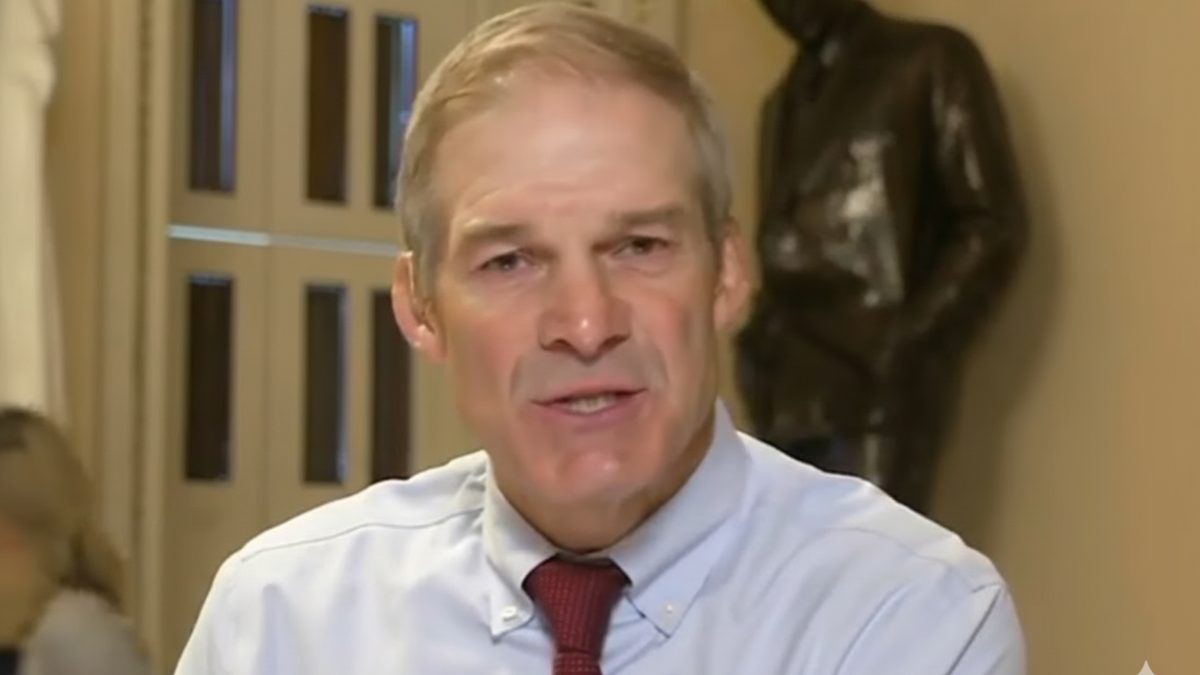
Biden DOJ Subpoenaed Jim Jordan’s Phone Records Back to 2020, Raising New Questions About Use of Investigative Powers
The DOJ subpoenaed House Judiciary Chair Jim Jordan’s personal phone toll records in 2022, seeking metadata dating back to Jan. 1, 2020, during the “Arctic Frost” probe — prompting legal and political disputes over investigative reach.
Key takeaways
- Extensive metadata request: The subpoena sought toll/call-detail records for Rep. Jim Jordan from Jan. 1, 2020, through more than two years, requesting dates, times, durations and numbers called (Fox News).
- Gag order and compliance: A D.C. magistrate issued a one‑year nondisclosure order to Verizon, which complied and produced the records (YouTube reporting).
- Political and legal fallout: Republicans call it an intrusion on congressional independence and cite the Speech or Debate Clause; DOJ says subpoenas were “entirely proper” and “narrowly tailored” (Politico).
Scope and nature of the records sought
The subpoena sought toll or call-detail records — metadata showing who called whom, when, and for how long, but not the content of calls or text messages. Public filings display Jordan’s name and one unredacted number; other numbers were redacted.
Reporting notes this request covered communications from Jan. 1, 2020, through more than two years thereafter, making it among the most expansive metadata requests known in probes related to the 2020 election and the January 6 investigation (AOL; Fox News).
Arctic Frost and the timeline of the probe
The subpoena was issued during an early Justice Department inquiry later associated with the probe nicknamed “Arctic Frost”. That matter evolved into part of the broader investigations that ultimately spurred Special Counsel Jack Smith’s election‑related charges; reporting indicates the subpoena predated Smith’s leadership of the special counsel’s office by roughly seven months (Fox News; YouTube reporting).
Gag order and carrier compliance
A D.C. magistrate judge signed a one‑year nondisclosure order preventing Verizon from notifying Jordan or others about the records request at the time. According to filings and reporting, Verizon complied and produced the toll records to investigators (Fox News; YouTube reporting).
“Gag orders are sometimes used in criminal investigations to prevent targets from learning about subpoenas that investigators believe could jeopardize the inquiry.”
Republican criticism and privilege concerns
Republican lawmakers criticized the subpoena as an unprecedented intrusion into congressional functions. Critics raised concerns under the Constitution’s Speech or Debate Clause, arguing metadata collection of a sitting Judiciary Committee chair could chill oversight and impede legislative duties (Fox News; Politico).
DOJ defense and special counsel’s stance
The DOJ, including Special Counsel Jack Smith’s office, defended the subpoenas as “entirely proper” and “narrowly tailored”, saying such requests were lawful tools to gather factual information about contacts and communications tied to alleged wrongdoing while maintaining legal safeguards (Fox News).
Broader oversight and the political fight
The disclosure has intensified conflict between Republican-led House probes and the DOJ. House committees have launched investigations into DOJ conduct; Judiciary Committee Chairman Jordan has issued numerous subpoenas in return. The exchange is shaping disputes over investigative boundaries and legislative oversight (Politico; Center for American Progress).
Implications for California
Economic impact: California firms that host or route communications may face more frequent legal requests, increasing compliance burdens and legal costs for telecom and tech companies in Silicon Valley and Los Angeles.
Political consequences: State Republicans may cite the subpoena as federal overreach, while Democrats will emphasize rule of law and the need for investigation — deepening partisan debates in Sacramento and among the delegation.
Social effects: Privacy advocates and civil liberties groups in California may intensify outreach and push for stronger notice protections and policy reforms to limit metadata collection impacts on constituents and officials.
Practical applications: Policy teams and vendors should review call routing and device practices; California tech and telecom vendors should prepare standardized legal-review processes to respond to subpoenas promptly and lawfully.
Reporting and source notes
Key reporting and documents include coverage and public filings cited by multiple outlets. Notable sources:
- Fox News — “Biden DOJ subpoenaed Jim Jordan’s phone records covering more than two years”
- YouTube report — reporting on subpoena redactions and gag order
- AOL — summary coverage
- Politico — live updates on congressional oversight
- Center for American Progress — analysis of subpoena activity



