
House Democrat Jamie Raskin slammed for “sick” defense of colleague caught texting Jeffrey Epstein during 2019 hearing
Rep. Jamie Raskin faced criticism after defending Del. Stacey Plaskett, who exchanged texts with convicted sex offender Jeffrey Epstein during a 2019 House hearing — a dispute that intensified national debates over accountability and congressional ethics.
- Plaskett exchanged texts with Jeffrey Epstein during the Feb. 27, 2019 House Oversight hearing, according to released records.
- Raskin urged due process, calling the communications constituent outreach and asking for an Ethics Committee review instead of immediate censure (Fox News; video).
- Republicans pushed censure but the resolution failed after a divided vote; critics say the defense downplays documented ties to Epstein (Axios).
- Debate continues over whether the texts reflect poor judgment or require fuller investigation by House ethics officials.
Background: What the texts show
Published records indicate Del. Stacey Plaskett exchanged multiple messages with Jeffrey Epstein on Feb. 27, 2019 — the same day the House Oversight Committee heard testimony from Michael Cohen. Reporters say the texts included requests for guidance on lines of questioning and other non-business exchanges, prompting renewed scrutiny of Plaskett’s interactions with Epstein-associated figures. See the Notus reporting on the records for details.
Raskin’s defense and floor remarks
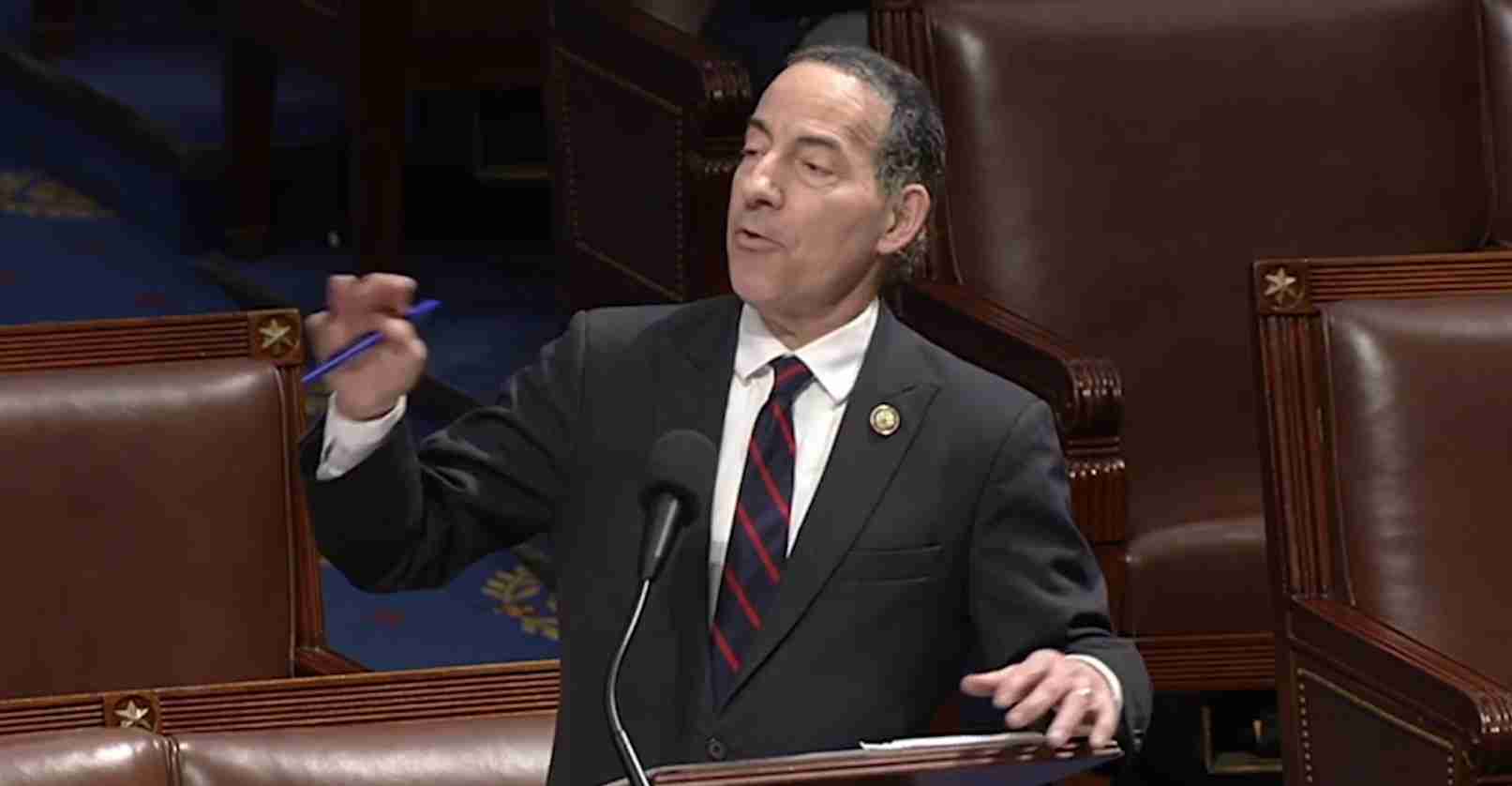
On the House floor, Rep. Jamie Raskin argued the messages amounted to ordinary constituent outreach and stressed there is no explicit House rule forbidding taking a call or responding to a text during a hearing. He urged members to allow the House Ethics Committee to investigate rather than rush to censure, warning against what he described as “guilt by association.” His full remarks are available via Fox News coverage and the floor video.
Critics call the defense “dishonest” and “sick”
Conservative commentators, some independent journalists and several Republican lawmakers reacted sharply. They said Raskin’s framing minimized Plaskett’s documented ties to Epstein and characterized his remarks as “dishonest” or “sick.”
“Sick” — a phrase used by critics and echoed by the White House Rapid Response team to describe Raskin’s defense.
Reporters such as Lee Fang and others pointed to a broader pattern of interactions: alleged professional links, campaign contacts involving Epstein associates, and Plaskett’s past Virgin Islands work that intersected with Epstein-related matters. Opponents argued those elements make the texts more troubling than presented on the House floor (Notus; Fox News).
Plaskett’s response and House action
Plaskett has maintained she was responding as she would to any constituent and that Epstein’s active federal investigation was not public knowledge at the time of the texts. Republicans, led by Rep. Ralph Norman, introduced a censure resolution accusing Plaskett of “inappropriate coordination with convicted sex offender Jeffrey Epstein.” The resolution ultimately failed after a divided House vote, with some Republicans joining Democrats in opposition. See reporting on the resolution and subsequent developments from Notus and Axios.
Notable context and reporting
Reporting has emphasized Epstein’s long, controversial presence in the U.S. Virgin Islands and potential intersections with local officials. Critics argue that Plaskett’s past roles and contacts, combined with the text messages, merit a fuller ethics review. Supporters caution against drawing conclusions from partial records and urge formal fact-finding before assigning blame.
Raskin, Plaskett, Epstein texts and the role of media
The episode illustrates how released communications rapidly shape public perception. The search phrase Raskin Plaskett Epstein texts circulated in coverage as journalists and commentators sifted through messages and historical reporting to assess implications. Some observers warn against rushing to judgment from incomplete records; others say the volume of related materials justifies thorough investigation.
Implications for California
- Political accountability: California voters may view Congressional handling as a test of consistent ethics enforcement.
- Campaign finance scrutiny: State and local campaigns might tighten vetting of donors and consultants after high-profile federal controversies.
- Legal and regulatory signals: An Ethics Committee probe could prompt review of interaction policies among California officials.
- Media and public discourse: California’s large media market will shape local coverage and calls for clearer rules on communications during hearings.
- Cultural effects: The episode reinforces concerns about elite influence, accountability and treatment of victims, resonating across political lines.
Key sources and further reading
Primary coverage and documents:
- Fox News coverage and accompanying video.
- Notus reporting on the text records and censure push.
- Raskin’s floor remarks (video).
- Coverage of House action and related developments (Axios).
Bottom line: The Raskin–Plaskett–Epstein texts controversy remains an active political story. Lawmakers, ethics officials and voters in California and beyond are watching whether investigations will clarify scope, intent and whether existing rules are adequate to prevent similar conflicts.



