
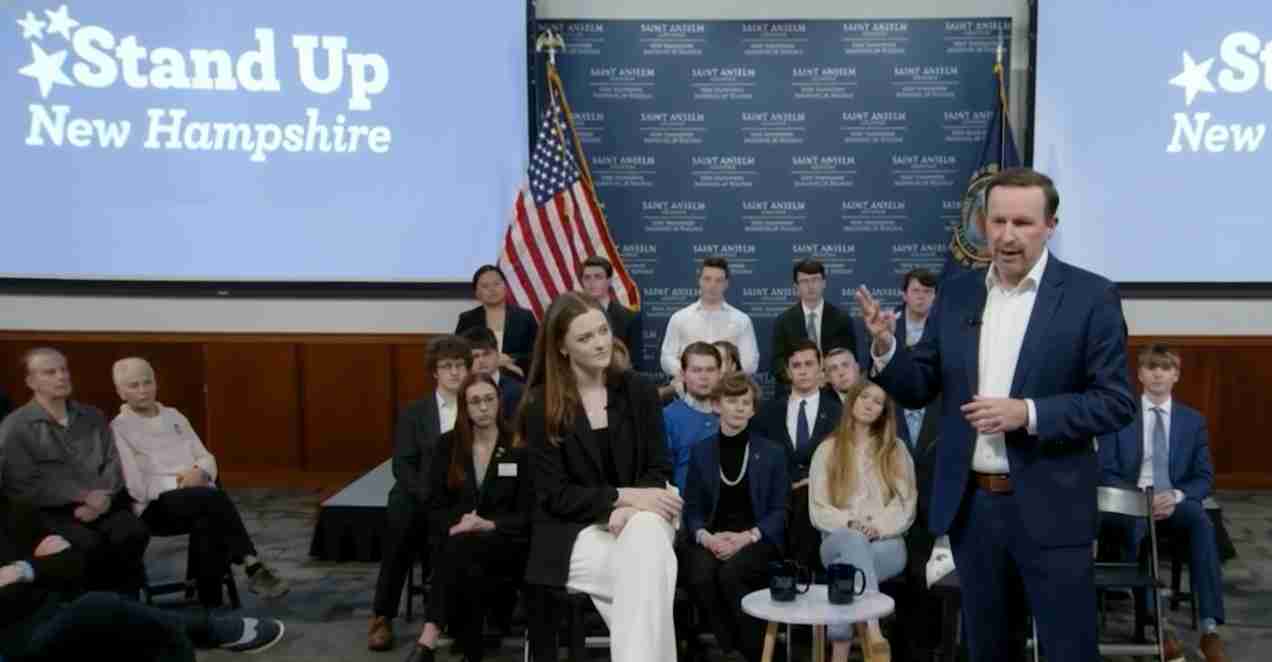
Chris Murphy urges Schumer leadership as Senate Democratic caucus disputes grow
Sen. Chris Murphy urged Senate Majority Leader Chuck Schumer to provide clearer, stronger leadership to bridge divisions in the Senate Democratic caucus, suggesting a more strategic approach and even considering some policies once backed by Donald Trump to break legislative gridlock.
Key takeaways
- Murphy publicly urged stronger leadership: He told interviewers Schumer should show more effective guidance to reconcile party divisions (Fox News Digital interview).
- No call to oust Schumer: Murphy stopped short of demanding removal, framing his remarks as a push for strategy and unity (source article).
- Open to bipartisan ideas: He suggested Schumer might consider backing some policies once supported by Donald Trump, though Murphy didn’t name specifics (source).
- Implications for California: Slower Senate action could delay disaster relief, infrastructure funding and immigration or climate measures affecting the state (reporting).
Main content
What Murphy said — and what he didn’t
In an interview summarized by Times Media Service, Murphy framed his comments as a call for clearer direction from leadership. He acknowledged disagreement on priorities and strategy across the caucus and said he believes Schumer “has strengths,” but urged the leader to do more to restore unity and forward motion.
Measured, not insurgent: Murphy’s words were deliberate. When asked whether Schumer should remain leader, Murphy began, “I think Chuck has a super…” and did not complete a direct endorsement or condemnation in the public account — signaling impatience but not an outright revolt (source).
On considering Trump-era policies
Murphy suggested that some ideas once backed by former President Trump could warrant examination as a pragmatic way to secure wins. The reporting did not specify which policies he had in mind, leaving open whether he referred to trade, infrastructure, energy, immigration, or other areas where past GOP positions overlapped with Democratic aims (source).
Why this matters now
With the Senate narrowly divided, small internal disputes can stall bills or block action. Murphy’s public urging reflects concern that intra-party fights make it harder to deliver results to voters. For moderate conservative audiences, the core worry is practical: when lawmakers prioritize internal battles over compromise, government appears less effective.
Accountability and leadership questions
Although Murphy did not call for Schumer’s removal, his remarks raise the stakes. Calls for improved leadership often imply a timeline: if strategic fixes do not produce progress, members may press for alternative approaches such as procedural changes, reassigning committee roles, or sharpening negotiation tactics with Republicans.
How this fits into broader party tensions
The Senate Democratic caucus spans progressives advocating ambitious spending to moderates cautious about fiscal moves. Those tensions have produced fights over priorities; Murphy’s comments echo complaints that the caucus can be fractious and that leadership must do more to bridge gaps and set a clear path to enactment.
Practical governing vs. ideological purity: Advocates of compromise argue that limited bipartisan wins can build momentum; critics warn such deals may dilute party promises.
What remains unclear
- Which specific Trump-era policies Murphy had in mind.
- What concrete steps Schumer should take to manage disputes.
- Whether particular members are driving the conflicts and what trades could resolve them.
These gaps are ripe for follow-up reporting and for leadership to address publicly if it hopes to calm tensions (source).
Reactions and next steps
So far no sharp public rebuttal: As of the report, Schumer’s office had not issued a widely reported public response. The lack of a public rebuttal may indicate a preference to handle internal matters privately, though public calls for stronger leadership from within the caucus create pressure for visible results.
Senate watchers will be watching for:
- Any clarification from Murphy on which Trump-backed policies he referenced.
- Statements from Schumer or his allies addressing internal strategy and unity.
- Legislative maneuvers that suggest leadership is shifting tactics to secure votes (reporting).
Implications for California
Economic and policy fallout: California depends on federal action for disaster relief, infrastructure, trade and technology policy. If Senate disputes slow legislation, the state could face delays in receiving federal aid after wildfires, slowed infrastructure deadlines, and uncertainty over trade rules affecting major ports.
Border and immigration policy: Any shift toward compromise on immigration could affect services, labor markets, and law enforcement resources in California. State and local officials who manage services for immigrant communities would watch such moves closely.
Energy and climate: As a national leader on climate, California could see mixed results from bipartisan deals—some infrastructure advances may come with provisions the state opposes. Environmental groups and state lawmakers will monitor negotiations to protect climate goals.
Political and practical impacts: More effective Senate leadership that delivers tangible results could reduce voter frustration; conversely, visible infighting may fuel narratives about gridlock. Practically, delays often mean slower permitting, delayed grants, and uncertainty for local governments, schools and hospitals.
What to watch in California
- Statements from California’s congressional delegation reacting to Murphy’s call for stronger leadership.
- Any Senate action on wildfire funding, ports and trade policy, immigration measures, and infrastructure grants.
- Local officials’ requests for federal assistance that could be affected by Senate pacing and leadership strategy.
Source
Reporting based on Murphy’s interview with Fox News Digital as summarized by Times Media Service (source article: Chris Murphy suggests Democrat colleagues need clearer direction).


