
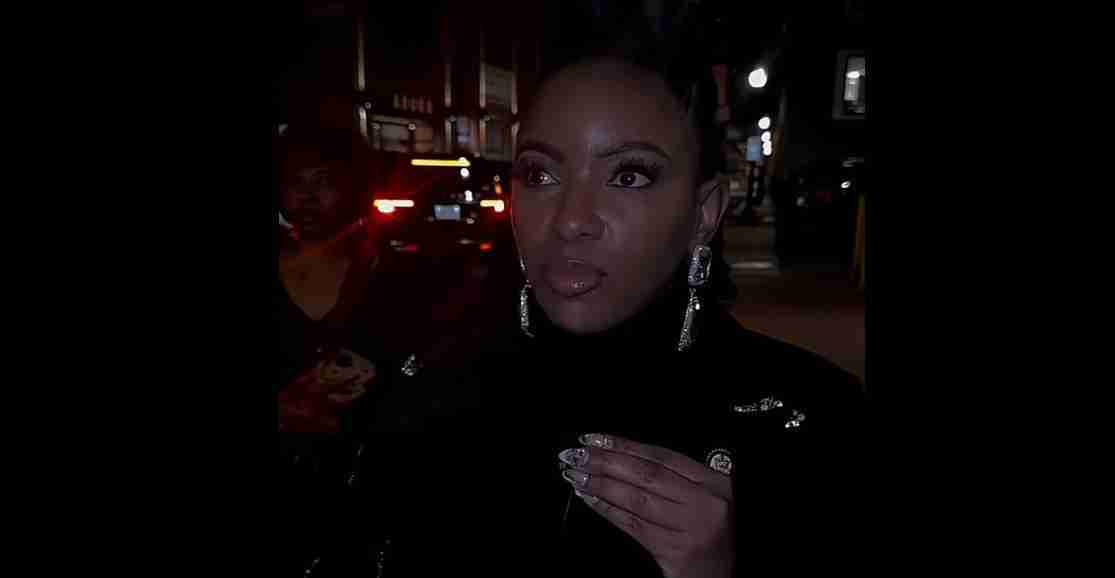
Jasmine Crockett campaign spending draws scrutiny after nearly $75K on luxury hotels, top-tier limos and heavy private security
Texas Congresswoman Jasmine Crockett is drawing scrutiny after campaign filings show nearly $75,000 in 2025 expenditures on luxury hotels, top-tier limousine services and almost $50,000 in private security, prompting questions about consistency with her past policing comments.
Key takeaways
- FEC records and campaign reports show about ~$75,000 in 2025 spending on hotels, limousines and security (Federal Election Commission).
- Nearly $50,000 in payments for private security drew particular attention given Crockett’s prior support for elements of the “defund” movement (Fox News).
- Itemized charges include high-end hotels in Los Angeles, New York, Las Vegas and Martha’s Vineyard and premium ground transport in Chicago, Washington, D.C., and the Bay Area (Fox News).
- Crockett is a potential 2026 Senate candidate with robust fundraising and notable cash on hand, according to public trackers (Federal Election Commission; AGC snapshot; OpenSecrets).
Campaign expenditures detailed
Federal Election Commission disclosures itemized a range of 2025 payments for travel, lodging, transport and security that media outlets have reviewed and reported. The filings are publicly available via the Federal Election Commission records and were parsed in recent reporting (Fox News).
Hotel charges
- $5,327 at the West Hollywood Edition (Los Angeles).
- $1,174 at the Times Square Edition (New York City).
- $4,175 at The Ritz-Carlton and $2,305 at The Luxury Collection (locations specified in filings).
- More than $2,000 combined at the Cosmopolitan and Aria in Las Vegas.
- Hotel charges in Martha’s Vineyard — stays at the Edgartown Inn and The Coco — totaling nearly $6,000.
Those entries were highlighted in recent media accounts that reviewed the campaign’s itemized disclosures (Fox News).
Premium ground transport
- $2,728 to Transportation 4 U (Chicago-based).
- $2,310 to DCA Car LLC (Washington, D.C.).
- $1,254 to Bay Area Limousine (Northern California).
These payments were described as high-end or “top-tier” services in reporting that examined the filings (Fox News).
Private security
Campaign disclosures show almost $50,000 in payments for private security during 2025, covering event protection, travel security and staffing, according to media review of the filings (Fox News).
“Defund movement seeks to actually bring about healing…Defund is about finally being fiscally responsible when it comes to policing in this state” — Jasmine Crockett, 2021 (Fox News).
Critics note the juxtaposition between that 2021 statement and the private security spending disclosed in 2025.
Political context and fundraising
Crockett, a Democratic member of the U.S. House representing Texas’s 30th District, has risen in national prominence and is publicly weighing a 2026 Senate bid against Sen. John Cornyn (Fox4).
Campaign finance trackers and FEC data indicate robust fundraising: totals above $6.5 million raised with several million spent through late 2025, and reports of more than $4.8 million cash on hand at one point (Federal Election Commission; AGC snapshot).
OpenSecrets data show roughly 76% of funding from individual contributors, with the remainder from PACs and other sources (OpenSecrets).
Campaign response and current status
As of the latest reporting, Crockett’s campaign had not provided a detailed public explanation for the specific 2025 expenditures cited by media (Fox News). Spokespeople did not offer immediate commentary on vendor selection, venue choice or the scale of security spending.
Campaigns commonly pay for travel and protective services when undertaking national fundraising, speaking engagements and campaign-building activities; nonetheless, watchdogs and opponents are expected to press for further details given Crockett’s visibility and policy history.
Legal and ethical considerations
Under federal campaign finance rules, campaign funds may be used for travel, lodging, security and transportation when those expenses are for legitimate campaign, official or political purposes. Itemized expenditures are required on FEC filings, allowing public review via the Federal Election Commission.
Ethics observers emphasize that transparency and clear justification help the public evaluate whether high-dollar items are campaign necessities or discretionary perks. Given her potential Senate ambitions, detailed explanations could reduce scrutiny from opponents and watchdogs.
Implications for California
Economic impact: California vendors and donors are already implicated — payments to Bay Area Limousine and other regional firms show the campaign engages local service providers, which may translate to business for hotels, halls and transport companies if Crockett pursues a national race.
Political consequences: Opponents in California may portray the spending as fiscal hypocrisy, using the disclosures to argue donors’ dollars fund perks while public safety budgets face scrutiny. That narrative could influence fundraising and messaging ahead of 2026.
Social effects: The debate over police funding remains active in California. Some voters will see private security spending as pragmatic protection for public figures, while others will view it as a sign officials rely on paid protection instead of public police resources.
Cultural relevance: Criticism of the spending may resonate in moderate and conservative areas, while progressive supporters could frame the purchases as necessary for safety. Local donors may reassess partnerships or messaging in light of the disclosures.
Practical advice: Californians and other donors can review itemized FEC disclosures directly via the Federal Election Commission to track how campaign funds are used.


