
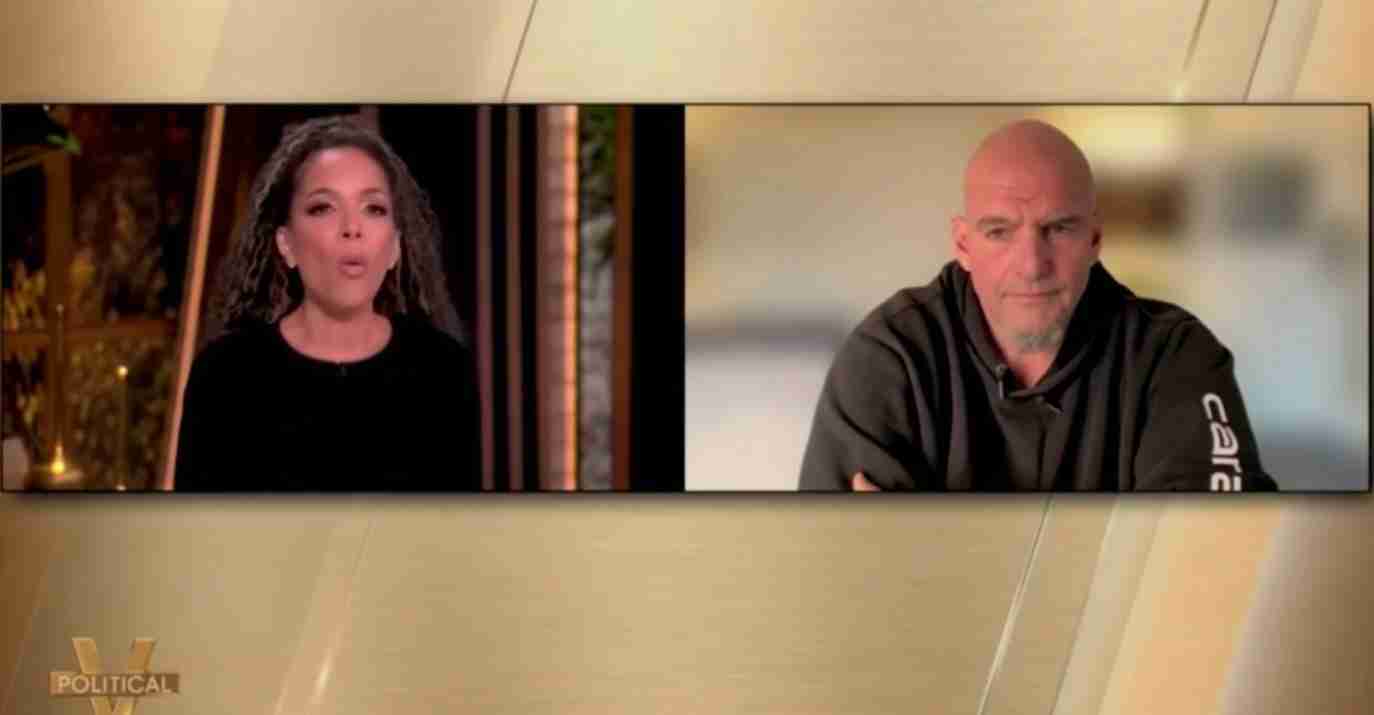
Fetterman Faces Tough Questioning on ‘The View’ — Sunny Hostin Says He Brought ‘A Butter Knife to a Gunfight’ After Fetterman government shutdown vote
Sen. John Fetterman defended his vote to end the recent government shutdown on ABC’s The View, facing a sharp exchange with Sunny Hostin, who said he “brought a butter knife to a gunfight,” amid intra‑party progressive tensions.
- Hostin confronted Fetterman on ‘The View’ about his role in ending the government shutdown and used the phrase that he “brought a butter knife to a gunfight.”
- Progressive critics — including Sen. Bernie Sanders and Gov. Gavin Newsom — faulted a group of eight senators, including Fetterman, for ending the shutdown without securing progressive policy wins (WCCS Radio).
- Fetterman defended his vote on the show, pushed back on critiques, and promoted his new memoir during the interview (TribLive).
The confrontation on ‘The View’
On Tuesday’s episode of ABC’s daytime program, Sunny Hostin pressed Senator John Fetterman about his decision to join a group of senators who voted to end the recent shutdown. Hostin framed the vote as a strategic misstep and used a blunt metaphor, saying he “brought a butter knife to a gunfight” — a line meant to suggest his approach lacked sufficient leverage.
Hostin also cited comments from prominent Democrats who expressed frustration with the vote, referencing criticism from Senator Bernie Sanders and Governor Gavin Newsom that the deal fell short of the policy wins progressives wanted. Multiple outlets reported the exchange; see the WCCS Radio account for a contemporaneous summary.
Fetterman’s defense and media strategy
Fetterman rejected the idea that his vote was a surrender. On the show he argued the vote was necessary to restore government operations and to avoid harm to federal workers and vulnerable programs. He used the interview not only to explain the vote but to promote his new memoir, tying personal narrative to political decisions.
“I voted to end the shutdown to prevent harm to people’s paychecks and essential services,” Fetterman said, according to reports. Multiple outlets confirmed he stood by his choice and pushed back on the critiques (TribLive).
Progressive criticism and intra-party friction
The exchange highlighted a broader split within the Democratic Party. Progressives argued ending the shutdown without stronger concessions gave Republicans too much leeway on spending priorities and policy riders. Governor Newsom’s public critique and Sen. Sanders’s statements underscored that progressive voices remain influential in shaping the debate.
Moderates countered that prolonged shutdowns inflict tangible damage on people and services, framing Fetterman’s vote as a pragmatic step to limit immediate harm — a point he emphasized in his television appearance.
Partisan theater and public perception
Hostin also noted Republican responses during the shutdown fight, including remarks from Rep. Marjorie Taylor Greene that placed blame on GOP members for parts of the shutdown and its resolution — an irony that exemplifies how both parties trade accusations during budget crises.
For readers on the right-leaning moderate side, the episode raises familiar strategic questions: Was ending the shutdown the responsible choice to protect Americans’ paychecks and services, or did it weaken Democratic negotiating leverage? Fetterman’s high‑profile appearance amplified those questions nationally.
Fetterman government shutdown vote: stakes and trade-offs
The decision to end a shutdown forces officials to weigh immediate harm against long-term leverage. Shutdowns halt services, delay federal funding, and harm workers. Ending them without extracting policy concessions can leave priorities unaddressed — a tension reflected in criticism from Sanders and Newsom and in Hostin’s line of questioning on television (WCCS Radio).
Fetterman joined a group of eight senators who moved to reopen government funding. Supporters said the vote returned stability and avoided further economic disruption; critics called it a missed chance to secure stronger policy wins. That debate will continue in the Democratic caucus and among voters as future budget fights emerge.
Media appearances and messaging
Fetterman used the The View interview to reach a broad audience, defend his record, and promote his memoir. Daytime television remains a strategic venue to explain votes, appeal to undecided voters, and manage intra‑party critiques during politically sensitive moments (TribLive).
Implications for California
Economic impact: California relies heavily on federal funding for disaster relief, infrastructure, public health, and research. Ending the shutdown quickly restored federal payments and services that support the state’s economy — from grants to disaster response funds — while critics warn that agreeing to deals without stronger protections could leave future funding vulnerable.
Political consequences: The public back-and-forth between Gov. Newsom and Sen. Fetterman highlighted intra‑party divisions. Progressives may welcome Newsom’s stance; moderates may view Fetterman’s vote as pragmatic. The dispute could shape endorsements, fundraising, and messaging ahead of upcoming primaries and midterms.
Social effects: Federal employees and contractors in California regained pay and resumed work at national parks, courts, and agencies, easing disruptions for families and businesses. Low-income Californians dependent on federally funded programs saw prompt relief when services resumed.
Practical takeaway for Californians: Expect fewer delays in federal services that affect daily life — passport processing, small business loans, disaster assistance, and federal contracts face less uncertainty now. The episode also serves as a reminder that intra-party debates can influence policy outcomes and local campaigns.



