Iran’s Water Bankruptcy: Drought, Mismanagement Threaten Cities, Regime Stability and Nuclear Program
Iran faces its worst water crisis in over a century: historic drought, mismanagement and climate change are draining reservoirs and aquifers, threatening cities like Tehran and Mashhad, risking mass evacuations, regime legitimacy and constraints on national programs, including nuclear work.
- Tehran’s emergency: rainfall for 2024–25 was about 42% below the long-term average, contributing to a fifth straight year of drought.
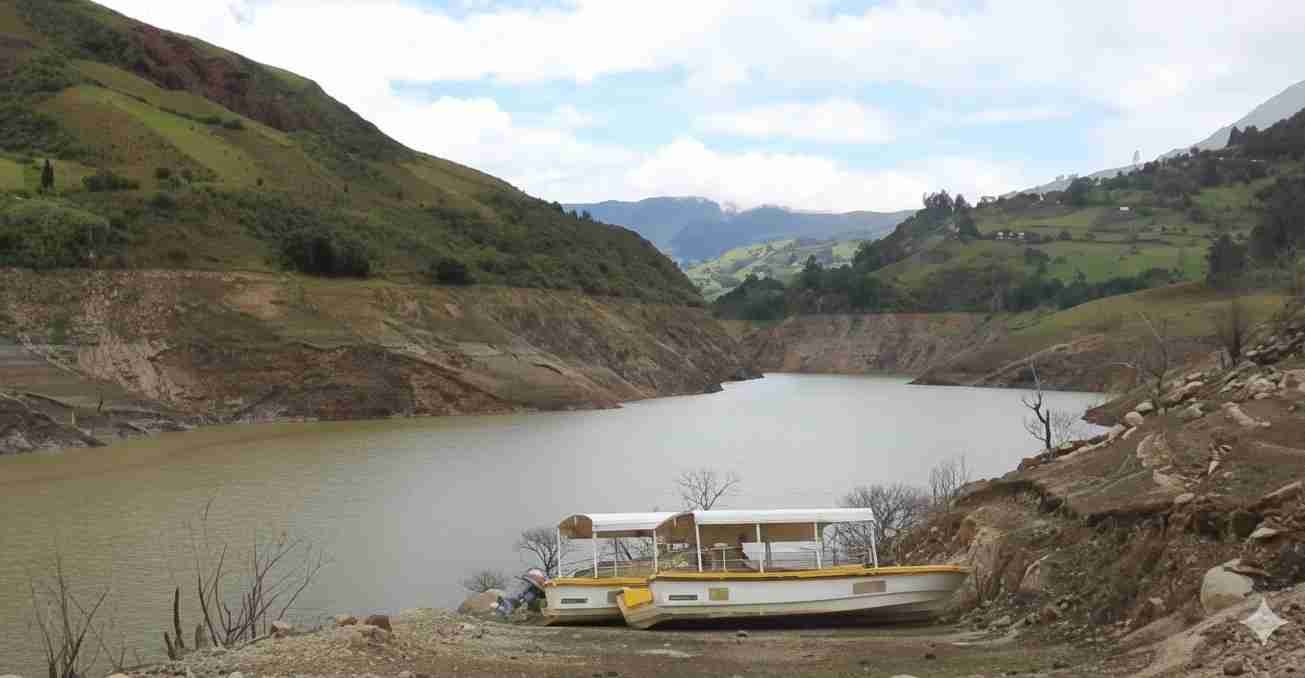
- Reservoir collapse risk: storage in the four main dams that supply Tehran had fallen to roughly 14% of capacity by mid-2025, placing the capital at risk of running out of water.
- Wider urban stress: Other major cities, including Mashhad, face near-permanent drought emergencies with some provinces recording winter rainfall deficits above 40%.
- Political and strategic stakes: UN experts and President Masoud Pezeshkian warn that sustained low precipitation could force evacuations, while analysts say “water bankruptcy” could erode regime legitimacy and strain programs including the nuclear effort (NCR Iran).
What is happening: a crisis of rain, pipes and policy
This is not a single-season dry spell but a structural decline: long-term drops in rainfall and river flows combined with policy and infrastructure choices that have left Iran vulnerable. Government agencies call this the worst water situation in at least 100 years. Reservoirs that feed Tehran have dwindled to a fraction of normal levels and in many regions aquifers are being pumped faster than they can refill. The result is severe shortages across households, industry and agriculture.
Experts attribute the crisis to three overlapping causes: climate change (altering precipitation and increasing evaporation), poor water management (inefficient irrigation and overuse), and infrastructure gaps that limit storage and transfer capacity. Long-term projects — large pipelines, transfer schemes and desalination plants — remain years from delivering relief (source).
Human cost and social reaction
The human impacts are immediate and visible: daily rationing, rolling cutoffs and uncertainty over basic services. Authorities have responded by closing some government offices in more than 25 cities to reduce demand and by urging people to avoid staying in Tehran to lower consumption (source).
Measures targeting heavy users have become stricter: the top 5% of consumers now face 12-hour cutoffs in some areas, a major escalation from previous 2–4 hour penalties. Public anger is mounting — a September 2025 survey found 75% of Iranians blamed government mismanagement for the crisis, while only 14% attributed it to natural causes alone, undermining claims of effective stewardship (survey report).
Political fallout and stability risks
Analysts warn that water shortages sap public trust and political legitimacy. The phrase “water bankruptcy” describes how shortages can erode the state’s authority and fiscal capacity — funds diverted to emergency water projects reduce resources available for other priorities.
UN experts have warned that if drought persists, evacuations of major cities may become necessary, an unprecedented step that would produce immense logistical, social and security challenges. President Masoud Pezeshkian has publicly echoed those warnings, signaling the severity of the crisis and increasing public alarm (UN and official statements).
Infrastructure, inequality and contested solutions
The government has applied a mix of demand-reduction and supply-boosting measures: targeting large users, fast-tracking planning for inter-basin transfer projects, and promoting desalination. One ambitious plan would bring desalinated water from the Sea of Oman to Mashhad via a roughly 1,000 km pipeline — but as of 2025 only about 10% of that pipeline was completed and it will take years to alleviate acute shortages (project status).
Inequality shapes vulnerability: wealthier households and industrial users historically consume more water, and authorities are focusing penalties on the top consumers. Rural and poor urban neighborhoods face chronic shortages and have fewer adaptation options. Experts cite wasteful irrigation and leaky urban systems as amplifiers of the emergency (analysis).
UN warnings and the link to national security and nuclear work
Beyond humanitarian impacts, the water crisis carries strategic implications. Iran’s nuclear, industrial and energy systems rely on stable water and power supplies for cooling, transport and operations. Persistent shortages can strain those systems and force budgetary trade-offs, diverting funds from strategic programs.
Analysts note a twofold risk: domestic instability that weakens central control, and a strategic squeeze that limits capacity to sustain or expand costly national programs, including nuclear work. While water stress alone does not determine policy, it imposes practical constraints and creates new leverage points for regional and global actors (NCR Iran analysis).
What international observers say
UN experts have publicly warned about potential evacuations if precipitation does not return to normal patterns. International analysts and humanitarian groups view Iran as a case study in how climate shocks and governance failures combine to create security risks, raising concerns about internal displacement, public health and the need for basic services in the event of mass movement (UN warnings and analysis).
Implications for California
Economic and policy lessons
California should treat Iran’s crisis as a cautionary example: prolonged drought, groundwater depletion, aging infrastructure and unequal allocation can interact to produce systemic failure. Early investment in conservation, local supply diversification (recycling, targeted desalination) and stronger groundwater protections are prudent responses.
Migration and diaspora communities
A large wave of internal migration or urban evacuations from Iran could indirectly affect California. The state’s Iranian diaspora and community networks may be called upon for humanitarian support and family reunification; local services could see increased demand if displacement becomes international.
Security and geopolitical considerations
California’s economy and industries are tied to global stability. Instability in Iran that disrupts regional security or energy markets could have downstream effects on supply chains and fuel prices. Policymakers should monitor environmental stressors as potential drivers of geopolitical ripple effects.
Humanitarian and ethical response
California-based charities, universities and hospitals could play roles in research, technical assistance and relief. Demand for medical aid, water-treatment technology and policy research may rise as the crisis deepens.
Practical actions for policymakers
- Review and strengthen conservation policies and emergency response plans with a focus on groundwater health.
- Invest in modular, rapid-deployment water treatment and recycling systems that can respond faster than multi-year infrastructure projects.
- Coordinate with diaspora organizations to prepare humanitarian support channels.
- Monitor geopolitical and economic indicators tied to Middle East instability and prepare supply-chain contingencies.
Sources and further reading
This report draws on UN expert warnings and official Iranian statements, international analysis, and reporting that shows how drought, climate change and management failures have combined to produce cascading social, political and strategic risks that extend beyond Iran’s borders.