
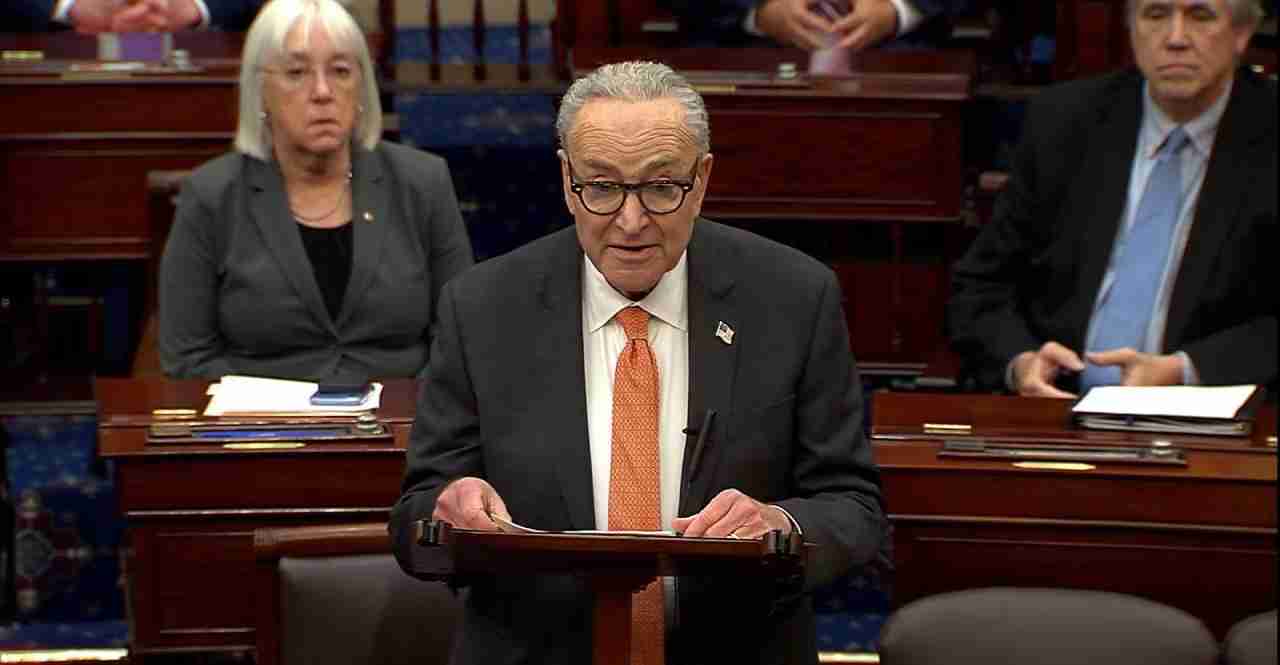
Schumer, Democrats Unveil Alternative Shutdown Plan, Seek One-Year Extension of Obamacare Subsidies
Senate Democrats led by Chuck Schumer have repeatedly offered a one-year extension of enhanced ACA marketplace subsidies during shutdown fights, framing it as a narrow stopgap to prevent premium spikes for millions while excluding undocumented immigrants from eligibility.
- Targeted proposal: Democrats center on a one-year extension of enhanced premium tax credits to avert sudden premium increases for marketplace enrollees.
- Political pitch: Schumer urged Republicans to “just say yes,” presenting the move as a simple way to reopen government funding without broad bargaining.
- Consumer impact: Analysts warn subsidized enrollees’ average annual out-of-pocket premium costs could rise from about $888 to roughly $1,904 by 2026 if enhanced subsidies lapse.
- Eligibility limits: The proposals preserve current-law eligibility and do not extend federal marketplace subsidies to undocumented immigrants.
Schumer’s counteroffer and political strategy
Overview: During past funding standoffs, Senate Democrats proposed a clean stopgap to reopen government paired with a one-year extension of the enhanced premium tax credits first expanded under the American Rescue Plan and later extended through 2025. Democrats describe this as a narrow, commonsense fix to protect households that benefited from lower marketplace premiums.
Schumer and other Democrats publicly urged Republicans to accept the extension as part of an agreement to end a shutdown, characterizing it as a focused bargain to restart federal operations without reopening a broad policy debate. See Schumer press releases and Senate Democrats for statements and floor remarks.
Republican responses: GOP reactions have varied — some signaled limited openness to targeted subsidy protections with offsets or different fiscal terms, while others opposed continuing resolutions with policy riders and pressed for broader spending reforms. These differences contributed to repeated stalemates and short-term patches in prior years.
Economic and consumer impact if subsidies expire
Independent analysts model a significant consumer impact if enhanced subsidies lapse. The consensus suggests many lower- and moderate-income marketplace enrollees would face sharply higher premiums and out-of-pocket premium costs.
“Average annual out-of-pocket premium expenses for subsidized enrollees could rise from roughly $888 to about $1,904 in 2026 if enhanced subsidies are not renewed.” — Kaiser Family Foundation; Congressional Budget Office
Higher premiums would likely reduce marketplace enrollment as plans become unaffordable for many, potentially undoing pandemic-era coverage gains and increasing pressure on hospital uncompensated care systems and state safety-net programs. Analysts note fiscal trade-offs: short-term federal costs from subsidies versus potential longer-term costs shifted to other programs and state budgets.
Undocumented immigrants not covered by the plan
Crucially, the Schumer-led proposal applies only to individuals eligible under current federal law. Undocumented immigrants remain ineligible for ACA marketplace premium tax credits under federal statute, a gap highlighted by immigrant-rights groups. States have taken their own approaches — for example, California offers state-funded coverage for certain undocumented residents through Covered California and state Medi‑Cal initiatives managed by the California Department of Health Care Services.
What this means for House–Senate dynamics
Political leverage: Schumer’s “just say yes” framing is designed to put pressure on Republicans to approve a narrowly focused deal to end shutdowns. For moderate-conservative lawmakers, the trade-off weighs short-term federal spending against immediate cost relief for millions relying on marketplace coverage.
Some conservatives seek offsets or pairing the extension with broader spending reforms. Fiscal hawks emphasize accountability and offsets; Democrats argue the human and economic costs of allowing subsidies to lapse justify the targeted extension. Analysts note that disputes often center on leverage — Republicans sometimes use funding bills to pursue immigration or other policy aims while Democrats resist treating health coverage as a bargaining chip.
Impacts on the health care market and insurers
If subsidies lapse, insurers would likely adjust pricing and plan offerings, possibly withdrawing from some markets or raising premiums. Plans serving predominantly subsidized enrollees could see higher enrollment risk if healthier people exit marketplace coverage. Rate filings and state regulators have emphasized that federal clarity reduces market uncertainty; even a one-year extension can provide breathing room for families and insurers while longer-term policy options are debated.
Implications for California
Economic impact: California’s large marketplace, Covered California, would feel sharp effects if federal subsidy expansions lapse: thousands of residents could face steep premium increases, reducing disposable income and potentially shifting costs to state programs.
Political and social consequences: State leaders who champion expanded coverage may pressure for federal extensions or consider state-funded contingency measures. Higher premiums could disproportionately affect working families and small-business employees and strain community health centers and emergency departments across the state.
Practical guidance: Californians enrolled through Covered California should monitor federal developments closely. State officials and advocates may expand outreach, enrollment assistance, or consider bridge programs for the most vulnerable if a lapse appears likely.
Sources and further reading
- Schumer press releases and Senate Democrats
- Kaiser Family Foundation analyses on ACA subsidies
- Congressional Budget Office reports
- Congressional Research Service reports
- Migration Policy Institute analysis on immigrant eligibility
- Covered California and California Department of Health Care Services (Medi‑Cal)
Note: All facts, figures, and source links above are preserved from the original reporting and analysis. For primary statements from Senate Democrats and Schumer’s office, see the linked press pages.



