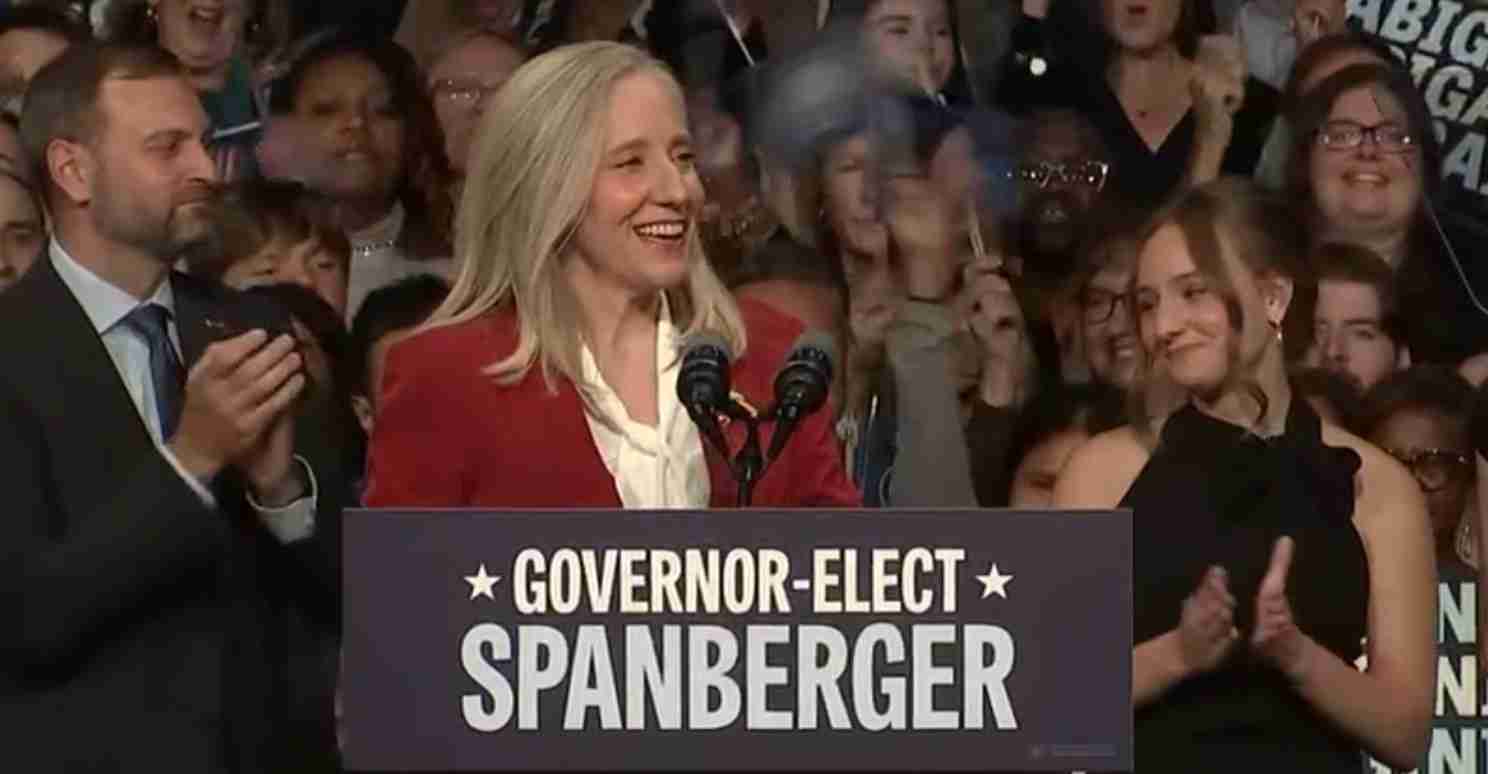
Abigail Spanberger Wins Virginia Governor’s Race, Becomes First Woman to Lead State; Cites Economy, Bipartisanship in Victory Speech
Abigail Spanberger has become Virginia’s first woman governor after winning the 2025 election, propelled by economic messaging, suburban turnout and a centrist, bipartisan pitch that reshaped the state’s political map and energized voters across key districts.
- Historic win: Abigail Spanberger elected Virginia’s 75th governor and the first woman to hold the office.
- Winning formula: Economic and affordability messaging, suburban turnout and a bipartisan image drove support.
- Night-of projection: Major outlets projected her victory; certified vote totals will be posted by the Virginia Department of Elections.
Victory speech and night-of dynamics
On election night, Spanberger delivered remarks after media outlets projected her win. In the speech she emphasized “getting things done for Virginia,”
She thanked supporters and outlined a pragmatic, results-oriented agenda intended to reach across party lines. Campaign video and coverage showed her closing remarks and outreach to voters; see the campaign video and coverage for night-of reporting.
Why Spanberger prevailed: turnout, suburbs and message
Analysts pointed to three dominant factors in the outcome:
- Suburban turnout: Higher-than-expected participation in counties and cities around Northern Virginia boosted her totals; suburban voters responded to affordability and public service messages (night-of coverage).
- Economic messaging: A campaign focus on affordability, jobs and fiscal responsibility — from housing to childcare — appealed to voters prioritizing practical solutions (Spanberger campaign site).
- Bipartisan posture: Spanberger’s record as a legislator who reaches across the aisle helped attract independents and moderate Republicans uncomfortable with national polarization (coverage).
Republican challenges and national dynamics
Republican efforts in parts of the state struggled to consolidate support in key suburban districts. Analysts cited the absence of a unifying national endorsement and difficulty mobilizing the party base where Spanberger’s pragmatic, centrist messaging resonated.
The wider national environment also mattered: local GOP candidates faced crowded threat environments and messaging that failed to connect on suburban concerns, creating openings for Democrats to consolidate swing-area votes (coverage).
What Spanberger said she will prioritize
In both campaign materials and her victory remarks, Spanberger listed practical priorities she intends to pursue in office:
- Public education: Strengthen public schools and support teachers while managing budgets responsibly (Spanberger campaign site).
- Affordability: Targeted policies to ease cost pressures for families, including housing and childcare measures (Spanberger campaign site).
- Public safety: Support for law enforcement combined with community-based prevention programs (night-of coverage).
- Bipartisan solutions: A governance-over-grievance approach aimed at deliverable results rather than ideology (campaign platform).
Official results and where to check final counts
Major outlets projected Spanberger as the winner on election night, but certified vote totals and final margins were not available in the sources reviewed for this article. For official, certified results and county-level returns, consult the Virginia Department of Elections.
Implications for California
Spanberger’s victory offers practical lessons for California policymakers and political strategists, especially moderates who favor governance-first approaches:
- Economic policy signals: Her emphasis on affordability and targeted relief may inspire similar pragmatic programs in California on housing, childcare and transportation (Spanberger campaign).
- Suburban outreach: The decisive suburban role in Virginia highlights the need for clear, practical messages on cost of living, schools and safety to compete in swing suburban counties (night-of coverage).
- Public safety debate: Her mix of law enforcement support and prevention programs could influence California’s local debates on balancing safety with reform (campaign site).
- Women’s leadership: Electing Virginia’s first woman governor may encourage more women across the ideological spectrum in California to seek office and draw focused recruitment and donor efforts (coverage).
- Bipartisan governance model: The win reinforces a centrist, problem-solving approach that moderate voters in California might find appealing.
Sources and documentation
- Night-of reporting and projection coverage
- Spanberger campaign platform and policy statements
- Virginia Department of Elections for official certified results
Reporting note
This article is based on campaign materials and night-of coverage available at the time of publication. Media projections called the race for Abigail Spanberger on election night, but full certified vote totals and official margins will be posted by the Virginia Department of Elections. Sources used include the Spanberger campaign site and election-night coverage compiled in available videos and reporting (night-of coverage).