Partial remains handed over by Hamas were not hostages, Israeli DNA tests show — a blow to ceasefire talks
Israeli authorities said Friday night that three partial sets of human remains handed over via the ICRC did not match any remaining hostages after DNA testing, a development that complicates fragile ceasefire negotiations and deepens families’ anguish.
Key takeaways
- Three partial remains were transferred by Hamas through the International Committee of the Red Cross (ICRC) and later tested by Israeli forensic teams.
- Forensic DNA tests found no matches to any of the still-missing hostages, according to Israel’s National Center of Forensic Medicine.
- This strains the ceasefire deal by raising disputes over verification, recovery capacity inside Gaza, and the role of mediators and the ICRC.
- Families remain without closure, and international mediators face pressure to provide technical assistance and stricter verification steps.
Forensic testing and the transfer process
What happened: Late Friday, Israeli forensic teams received three partial remains handed over by Hamas through the ICRC. The remains were transported to the National Center of Forensic Medicine, where DNA samples were compared against databases and family samples. Officials publicly announced the results: no matches to any of the still-missing hostages.
The ICRC confirmed it acted as the intermediary for the transfer; its role, officials noted, is to facilitate a dignified handover rather than independently verify identity. The forensic confirmation rests with Israeli authorities and their DNA registries (Jerusalem Post).
What Hamas said and why Israel pushed for full bodies
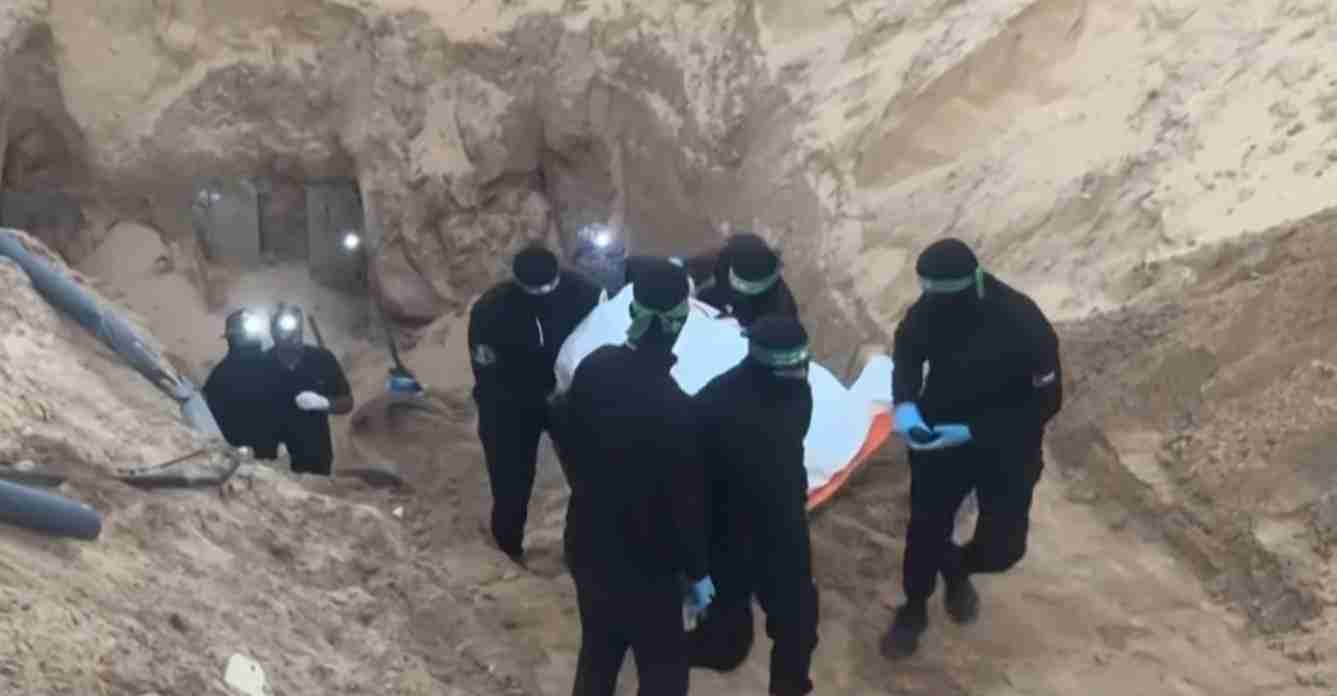
Hamas officials told mediators the remains were recovered from a tunnel in southern Gaza and offered samples for testing. Israeli authorities emphasized they would only accept full bodies for reliable identification and for families’ closure. Israeli officials reported the delivered items were partial and did not correspond to the missing hostages.
Hamas has argued that heavy destruction, collapsed infrastructure and a lack of recovery equipment make locating and extracting bodies extremely difficult, and has asked mediators and the ICRC for engineering assistance to reach buried remains (Streamline Feed; video report referenced by officials).
Israeli response and family notifications
Following the DNA results, Israeli authorities informed families of the missing that the three remains were not those of their loved ones. Officials reiterated a pledge to continue efforts to recover and return both living hostages and the remains of those killed.
“We will press international mediators for stricter verification measures and faster returns,” officials said, arguing that delays and partial transfers undermine trust.
Earlier returns and numbers that matter
As part of the ceasefire terms already implemented, Israeli authorities reported the return of 17 deceased hostages prior to this transfer. Dozens remained unaccounted for, according to officials. Had the recent partial remains matched hostages, totals would have shifted; because they did not, Israel says a number of deceased hostages remain unreturned.
Ceasefire complications and diplomatic fallout
Diplomatic strain: Israeli officials framed the delivery of non-matching remains as evidence that Hamas is not fulfilling commitments under the truce, whether due to deliberate tactics or operational limitations. Mediators face urgent pressure to improve verification, speed identification, and provide technical help inside Gaza to reach buried bodies.
International actors are increasingly drawn into disputes over verification standards, the ICRC’s role, and access for forensic teams and heavy recovery equipment in areas where tunnels and rubble complicate operations (Streamline Feed; Jerusalem Post).
Humanitarian and legal issues
Beyond politics, the episode raises urgent humanitarian and legal questions: families are left without answers; international law requires humane treatment of the dead and respect for relatives’ rights to know the fate of loved ones. If bodies cannot be safely recovered without specialized equipment and certified teams, mediators argue that aid packages must include technical assistance.
Israeli calls for full-body transfers reflect both the desire for certainty and the need to preserve forensic evidence relevant to investigations, while Gaza authorities point to battlefield realities — heavy bombardment and collapsed structures — that make recovery dangerous and technically complex.
Conflicting narratives and the search for verification
Competing accounts: Israel insists the remains did not match hostages; Hamas points to recovery obstacles. The ICRC can facilitate transfers with dignity but does not independently validate identities. That leaves forensic labs, family DNA registries and government agencies to perform identification work, and places greater pressure on mediators to design transparent verification steps.
Implications for California
Economic impact: California stands to feel indirect effects through humanitarian aid flows, defense and logistics sectors, and broader market uncertainty tied to Middle East stability.
Political consequences: The verification debate may mobilize constituents and influence federal policymaking, with calls for accountability and potential requests for funding forensic and recovery assistance.
Social and cultural effects: California’s diverse communities — including families with ties to Israel and the Middle East — may see increased local vigils, advocacy, and demand for services. The story touches deep cultural values around family, dignity for the dead, and justice, prompting civic discussion on humanitarian law and U.S. diplomatic priorities.
Practical actions for residents: Individuals may seek updated travel guidance, universities and medical examiner offices might be asked to consult on forensics, and nonprofits and faith groups could coordinate relief and informational events.
Sources and further reading
- Jerusalem Post: “Israeli officials: remains handed over by Hamas not of hostages”
- Streamline Feed: “Hamas delivers three coffins to Israel amid fragile ceasefire”
- Video report referenced by officials
Ongoing developments
Israeli authorities said they will continue DNA testing and investigation of recovered remains and press for clearer, verifiable mechanisms in the ceasefire deal. Mediators are expected to discuss technical assistance for recovery, the ICRC’s role, and improved verification steps to prevent misidentification and accelerate returns of both the living and the dead (Jerusalem Post; Streamline Feed; video report).