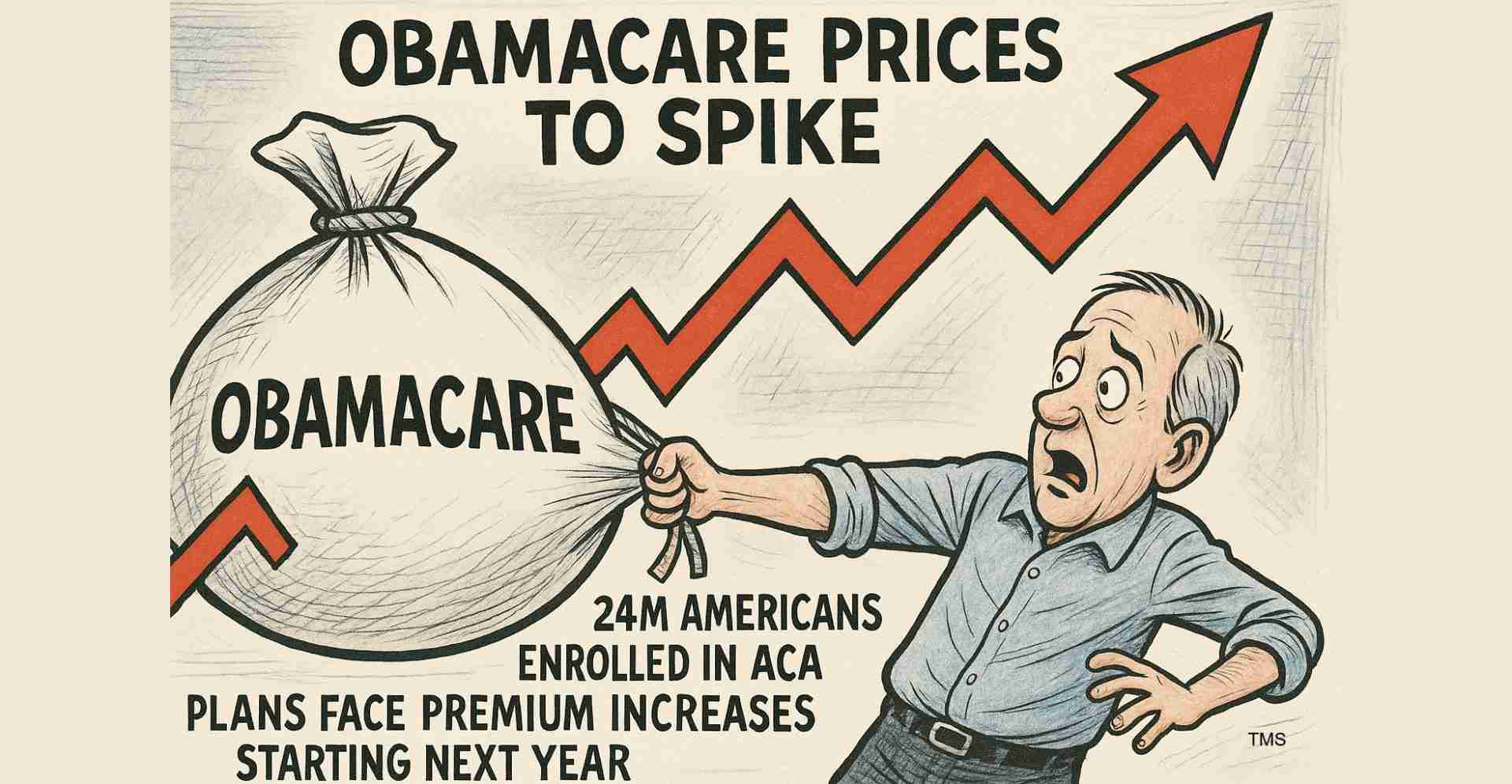
Obamacare prices are set to spike — why 24 million Americans face higher premiums in 2026
Millions enrolled in Obamacare plans face sharp premium increases in 2026 as insurers seek higher base rates and enhanced pandemic-era premium tax credits for about 22 million enrollees threaten to expire — potentially doubling out-of-pocket monthly costs for many.
Key takeaways
- Insurers are proposing average rate increases near 26%, larger in states using HealthCare.gov and smaller in state-run marketplaces — data from KFF.
- About 22 million of ~24 million marketplace enrollees currently get enhanced premium tax credits that could expire after 2025 unless Congress acts — reporting from Time.
- If enhanced credits lapse, average out-of-pocket monthly premiums for subsidized consumers could more than double — an approximate 114% increase per KFF analysis.
- The combination of higher listed prices and fading subsidies is likely to create a serious affordability shock for middle-income families and older adults not on Medicare.
What’s happening now
Insurer filings for the 2026 plan year show notable proposed increases. The KFF quick take found an average proposed rise of about 26% nationally — roughly 30% in states using HealthCare.gov and about 17% where states run their own marketplaces.
At the same time, the temporary pandemic-era enhancement to premium tax credits — which reduced monthly costs for roughly 22 million consumers — is scheduled to end after 2025 unless Congress extends it. That dual pressure increases both list prices and household liabilities (Time; KFF).
How big the increase could be
Modeling by KFF shows the combined effect could be dramatic: without enhanced credits, average monthly premium payments for those who now get help could rise by about 114%. In some markets, monthly premiums and deductibles could jump by hundreds of dollars, particularly for families near subsidy cutoffs (Time).
Who will be hit hardest
- Middle-income families: Those who earn too much for original ACA subsidies but benefited from enhanced credits will face the steepest increases.
- Households above 400% FPL: Under pre-pandemic rules, people over ~400% of the federal poverty level are typically ineligible for credits and would face full sticker prices.
- Older adults not on Medicare: Older non-Medicare buyers already pay higher premiums and are vulnerable to loss of subsidies and base rate increases (KFF).
Underlying causes: policy and market forces
Legislative uncertainty: The enhanced credits were a temporary pandemic measure extended through 2025; if Congress does not act, they will lapse, creating immediate financial risk for millions (Time).
Market pressures: Insurers are raising base premiums to reflect rising medical costs — higher hospital and drug prices, medical inflation and enrollment shifts all push rates up (Fox Business; KFF).
Combined effect: higher list prices plus lower help equals much bigger bills
The policy-driven withdrawal of subsidy caps and simultaneous insurer rate hikes means a moderate-seeming percentage increase in list premiums can translate into an affordability crisis for many households. In short: higher list prices + lower subsidies = much higher out-of-pocket costs (KFF).
What insurers and the government say
Insurers are notifying customers of proposed 2026 changes as required for open enrollment, allowing comparisons across plans and networks (Fox Business).
CMS: if enhanced credits remain in place, the lowest-cost plan on HealthCare.gov could cost as little as $50/month for those who qualify — a statement contingent on congressional action (CMS).
Policy options and the politics
Lawmakers can choose to: extend the enhanced subsidies, craft targeted relief for middle-income households, or let the boosts lapse. Each option balances federal spending against potential increases in uninsured rates and household hardship (Time; KFF).
For a politically moderate conservative audience, the tradeoff is clear: continue subsidies to avoid near-term household pain at the cost of federal spending, or end them to reduce federal outlays and accept higher private costs and possible coverage losses.
Practical steps for consumers now
- Monitor Congress: watch for action before the end of 2025 that could extend or modify subsidies (Time).
- Compare plans: shop during open enrollment — networks, deductibles and cost-sharing vary even if premiums rise (KFF).
- Check alternatives: see if Medicaid/Medi‑Cal or state programs apply, and explore narrower-network plans for lower premiums.
- Budget for higher deductibles: be prepared for increased out-of-pocket costs in some markets (Time).
Implications for California
Economic impact: California runs its own marketplace, Covered California, which historically shows smaller average increases than the federal exchange — KFF’s data indicated ~17% average increases in state-run exchanges versus ~30% on HealthCare.gov (KFF).
Political and social effects: California officials may face pressure to supplement federal aid or expand outreach to prevent coverage losses among middle-income families in high-cost areas. Rising premiums and deductibles could force trade-offs for many households.
Practical advice: Covered California will publish 2026 plan details during the 2025 open enrollment period. Residents should check insurer notices, confirm subsidy eligibility, and explore Medi‑Cal or other state safety nets.
Sources and further reading
- Kaiser Family Foundation — Quick Take: ACA insurers are raising premiums by an estimated 26%
- KFF analysis — ACA marketplace premium payments would more than double on average if enhanced premium tax credits expire
- Time — Report on ACA premium tax credit expiration and its effects
- Fox Business — Coverage of insurer rate increases and market dynamics
- AOL — Reporting on projected premium impacts
- Centers for Medicare & Medicaid Services — Plan Year 2026 Marketplace Plans & Prices fact sheet
What to watch next
- Congressional action on ACA subsidies before the end of 2025.
- Final insurer rate approvals and detailed plan disclosures during open enrollment.
- State-level responses, notably in marketplaces run by states such as California.