Gaza deadliest day since ceasefire as Israel launches wave of strikes; IDF releases drone footage alleging staged scene
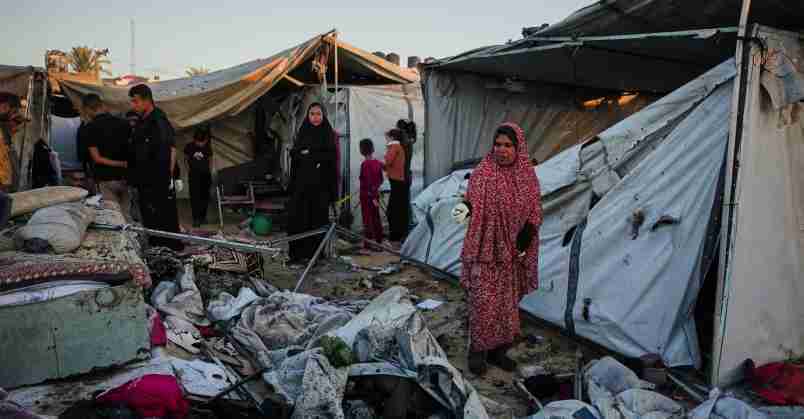
Gaza experienced its deadliest day since the March ceasefire on May 15, 2025, when Israeli airstrikes killed over 143 people in densely populated civilian areas, triggering a sharp humanitarian deterioration and renewed military operations across the territory.
- May 15 attack: At least 143 people killed in airstrikes hitting crowded civilian locations, including a restaurant and a market — drawn from compiled reporting and the Gaza war timeline.
- IDF claims: Israel said strikes followed a truce breach by Hamas and released drone footage it called evidence of staging; independent verification was not immediately available (Gaza war).
- Escalation context: Targeted killings on May 13 and the subsequent announcement of Operation Gideon’s Chariots intensified the cycle of retaliation (Gaza war).
- Humanitarian impact: The offensive worsened an already fragile situation, with later strikes on schools and aid sites causing hundreds more casualties (Gaza war).
What happened on May 15
On May 15, 2025, Gaza endured intense Israeli airstrikes that local sources and compiled summaries report killed at least 143 people. Strikes struck densely populated civilian areas, including food and commerce hubs such as what was described as the last restaurant in Gaza City and a nearby market, producing chaotic rescue scenes and overflowing hospitals. The characterization of May 15 as the deadliest day since the March ceasefire is drawn from aggregated media accounts and the public timeline compiled in the Gaza war summary.
Why Israel said it struck
Israeli authorities described the strikes as a response to an alleged breach of the March truce by Hamas. The IDF framed the operations as targeted efforts to degrade Hamas command and control, prevent further attacks, and protect Israeli civilians. These official statements are part of the compiled reporting summarized in the Gaza war timeline.
IDF drone footage and allegations of staging
The IDF released drone footage it said shows operatives burying a white cloth with a body and later staging its discovery in front of the Red Cross. The military presented this material as evidence of manipulation intended to influence international opinion. Independent verification was not immediately available, and journalists and humanitarian groups had not confirmed the IDF’s account at the time of reporting.
“Video evidence in conflict zones can be manipulated or misinterpreted; such claims require third-party verification to be conclusive.”
The IDF footage and its characterization remain contested and are documented in aggregated accounts of the events (Gaza war).
Recent targeted killings and the escalation cycle
Tensions rose prior to May 15: airstrikes on May 13 hit the Gaza European Hospital compound in Khan Yunis and tunnel networks, reportedly killing senior Hamas figures including Mohammed Sinwar and Muhammad Shabana. Their deaths contributed to the spiral of retaliation and counterstrikes that culminated in the May 15 attacks. The day after, Israeli officials announced Operation Gideon’s Chariots, signaling a broader campaign to secure control over Gaza (Gaza war).
Humanitarian toll and later incidents
The surge in violence sharply worsened Gaza’s humanitarian crisis. Subsequent incidents in late May and June included strikes on schools and humanitarian sites with reports of dozens to hundreds killed. One reported strike on May 25 hit the Fahmi al-Jawjawi school, with accounts of many children and women among the dead. These accounts come from compiled media reporting and public summaries; attribution and exact tolls remain contested in many cases (Gaza war).
International reaction and political consequences
The intensified offensive prompted condemnation from several governments and international bodies. Some warned of sanctions or other measures if civilian harm continued or humanitarian access was obstructed. Diplomatic pressure emphasized restraint, civilian protection, and aid access. Israel defended its right to respond to threats, stressing efforts to target militants while minimizing civilian casualties — a claim often disputed by independent observers and humanitarian organizations (Gaza war).
Verification and reporting limitations
Much immediate reporting is drawn from compiled summaries that aggregate official statements, local sources, and international outlets. The primary compiled source for this account is the public Gaza war timeline, which itself combines multiple reports and claims (Gaza war). Key items — including the IDF’s drone footage allegations and specific casualty figures — require independent, on-the-ground verification by neutral organizations for full confirmation.
Operational moves on the ground
By mid-June and into July, reports indicated Israeli ground forces advanced toward city outskirts after issuing evacuation orders. Airstrikes continued in populated districts as the IDF sought to seize control of urban areas and infrastructure. The shift from isolated strikes to a broader campaign increased civilian risk and complicated humanitarian response efforts (Gaza war).
Implications for California
Economic impact: Escalation can disrupt oil and shipping markets, potentially raising energy and transportation costs in California and affecting investor confidence and key export sectors.
Political consequences: The conflict may shape debates on U.S. foreign policy, military aid, and humanitarian relief, amplified by California’s large Jewish and Palestinian-American communities.
Social effects: Cities with sizable Middle Eastern diasporas could see increased protests, vigils, and campus debates; officials should prepare for peaceful demonstrations and guard against hate crimes.
Practical applications: Local governments and nonprofits may coordinate counseling, legal aid, fundraising, and refugee assistance; universities can host forums on de-escalation and international law.
Sources
Main compiled timeline and event summaries: Gaza war.
Note: This report draws on aggregated public summaries that compile official statements, media reporting, and local sources. Specific claims such as those related to IDF drone footage and some casualty figures had not been independently verified by neutral third parties at the time of publishing (Gaza war).