Fact check — Trump administration did not reinstall Albert Pike statue toppled in 2020 protests
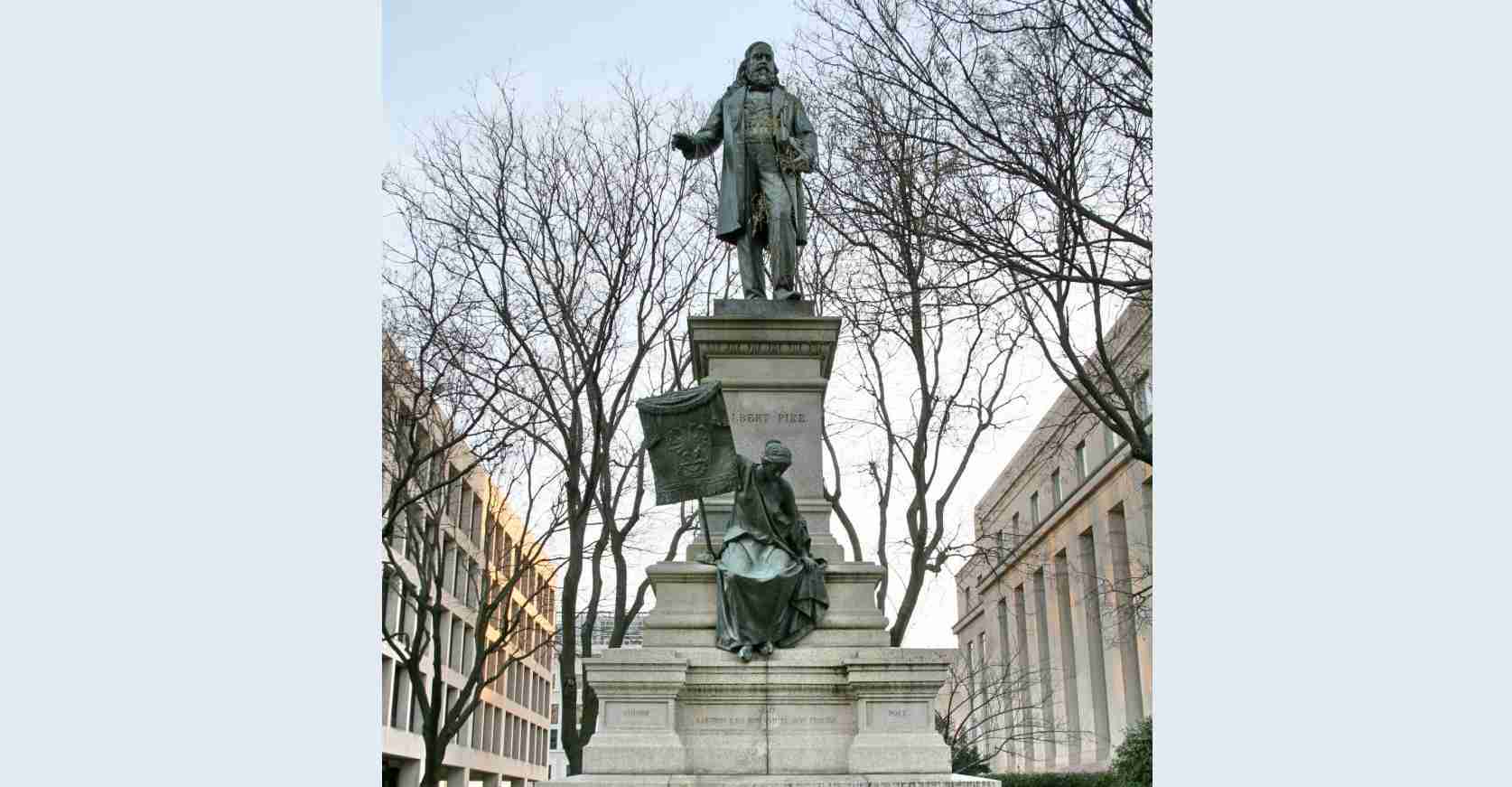
In June 2020 protesters toppled the controversial Albert Pike statue in Washington, D.C.’s Judiciary Square later that year. Official records and major outlets confirm the monument’s remains were removed and not reinstalled by the Trump administration.
- The bronze Albert Pike statue was toppled on June 19, 2020 and subsequently damaged, removed and not returned to Judiciary Square.
- National Park Service crews removed the remains hours after the toppling and local officials said it would not be restored to that public site.
- No credible reporting or official release confirms a Trump administration reinstallation — the public record does not support claims the statue was reinstalled.
- Verified searches and archival reporting at major outlets and agency pages corroborate these facts.
The toppling: what happened and when
On June 19, 2020 — a day coinciding with Juneteenth events and nationwide protests — demonstrators in Judiciary Square used ropes to pull down the Albert Pike statue. Video and photo evidence circulated widely showing the statue being spray-painted and portions set alight after the fall.
Major news organizations reported the event in real time and framed it within a broader movement to remove Confederate symbols from public spaces following the murder of George Floyd. For contemporaneous coverage and archival records, see reporting and repositories at NPR, The Washington Post, The Associated Press and CNN. A curated encyclopedic summary is available on the statue’s Wikipedia page.
“NPS crews removed the damaged remains from the site within hours.” — contemporaneous agency and media accounts documented rapid removal and no subsequent reinstallation.
Who manages monuments in D.C. and what they said
Judiciary Square contains federal property managed in part by the National Park Service. After the toppling, NPS crews cleared the remains. Local officials, including then-Mayor Muriel Bowser, publicly noted the damaged statue would not be returned to its original location.
The incident prompted local discussion among leaders, historians and civic organizations about how to handle contested monuments going forward. For official updates, consult the National Park Service and the District of Columbia’s official site.
Claims of reinstallation and the record
After the toppling, political commentators and social posts amplified claims that the Trump administration intervened to reinstall the statue. Those claims are not supported by the public record.
A review of contemporaneous reporting and agency actions shows:
- No credible reports from major news organizations or official NPS releases indicate the Trump administration ordered, funded, or physically reinstalled the Albert Pike statue.
- The remains were cleared from Judiciary Square and were not returned to that site.
- Public interest groups and fraternal organizations expressed regret but did not publicize any successful reinstallation at Judiciary Square or another federal site.
Why the rumor spread
Several factors helped the persistent rumor propagate:
- Political polarization: Images were quickly used in partisan narratives about law and order or social justice.
- Confusion over authority: Misunderstanding federal vs. local control led some to assume a presidential order could instantly restore a federal monument.
- Social media amplification: Short posts and memes often misstated timelines or reversed facts for rhetorical effect.
Context: Confederate monuments and federal response
The Pike statue’s removal was part of a national reassessment of Confederate monuments. The Trump administration publicly condemned some removals and emphasized protecting monuments, but the public record documents rhetoric, policy debate and legal discussions rather than a concrete reinstallation of the Albert Pike monument in Washington, D.C.
Implications for California
Although the Pike statue stood in Washington, the episode has practical implications for California communities:
Economic impact
- Tourism and public sites: Local debates over contested histories can affect perceptions and visitation to cultural sites.
- Fiscal considerations: Removal, restoration, security and legal costs can be significant; local budgets should account for potential contingencies.
Political consequences
- Law-and-order politics: Events like the Pike removal can push leaders toward clearer preservation or protection policies.
- Election messaging: Candidates may localize national controversies to argue for preservation laws or community-led decision making.
Social effects
- Community tensions: Diverse communities may replay similar debates in schools, parks commissions and councils.
- Educational opportunity: The episode can prompt curricula and exhibits that explain historical complexity and contested memory.
Practical applications for policymakers and communities
Recommended actions for local officials and civic groups:
- Clear policies: Adopt transparent criteria and procedures for removal, relocation, or contextualization with public input.
- Rapid response planning: Coordinate law enforcement and public works to protect safety while limiting property damage.
- Community forums: Host inclusive discussions and educational programs so residents shape solutions that reflect local values.
Reporting and source access
This article is based on contemporaneous reporting and official records documenting the June 19, 2020 toppling and the subsequent removal of the statue’s remains. Readers can verify reporting through searches and archives at:
The verified record shows the Albert Pike statue removal remains a notable moment in the national conversation about Confederate monuments, and contrary to some claims, the Albert Pike statue not reinstalled in Judiciary Square. Local leaders and citizens in California and elsewhere continue to grapple with how best to address contested public symbols.