Kaiser Permanente strike resolution ends planned five-day action after three days of pickets; talks to resume amid staffing, pay disputes
A planned five-day strike at Kaiser Permanente was scaled to three days in early October 2023, involving thousands of unionized healthcare workers across states. The action paused as talks continue with federal mediation and possible future strikes.
Key takeaways
- Planned five-day stoppage reduced to three days: Thousands of unionized Kaiser workers picketed across multiple states and paused as scheduled while bargaining continues.
- Top issues: Unions pressed for higher pay, enforceable staffing ratios and concrete hiring commitments; Kaiser cites tens of thousands of hires since 2022 but gaps persist.
- Federal mediators involved: The Federal Mediation and Conciliation Service is facilitating talks; unions warned of potential larger strikes if progress stalls.
Background: who is involved and why
Kaiser Permanente is one of the largest health systems in the United States, serving more than 12 million members and employing tens of thousands of union-represented staff. The Coalition of Kaiser Permanente Unions represents nurses, lab technicians, pharmacists, imaging and respiratory therapists and other frontline workers.
Tensions rose after the COVID-19 pandemic as many frontline employees reported chronic understaffing, burnout and declining real wages compared with rising inflation and local market rates. Unions argued those issues were harming patient care and demanded quicker, enforceable action from management.
Strike details: scope and disruptions
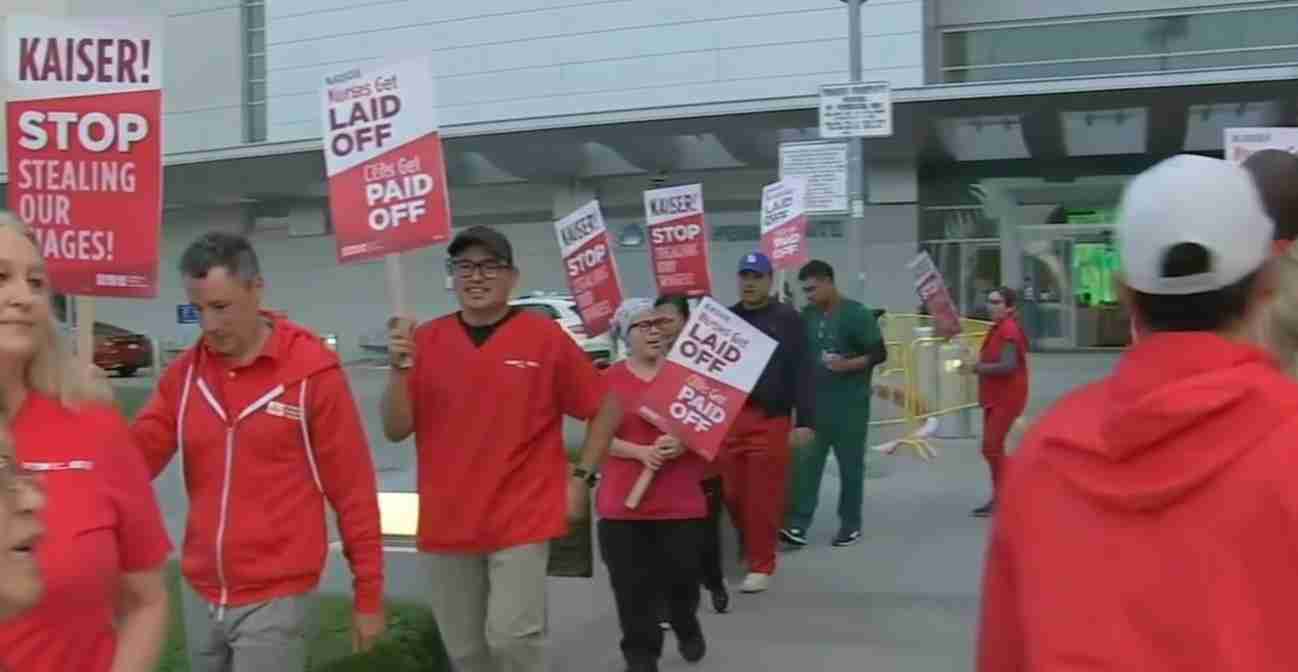
In early October 2023, union members mounted a coordinated strike with picketing at hospitals, clinics and pharmacies in California, Oregon, Washington, Colorado, Virginia and Washington, D.C. The work stoppage, originally set to last five days if bargaining did not advance, ran for three days and then paused as scheduled.
Although this was the largest healthcare worker strike in U.S. history by the number of union workers involved, hospitals and urgent care centers remained open. Kaiser said emergency and critical services were prioritized, with managers and temporary staff stepping in, but routine appointments and non-urgent procedures saw delays and rescheduling.
Resolution and ongoing bargaining
The strike ended on the planned date without a final contract. Both sides agreed to return to the bargaining table with federal mediation. Kaiser officials said they were committed to negotiating in good faith and finding a “fair and equitable agreement,” while union leaders said they were prepared to escalate pressure, possibly with another multi-day strike if talks do not produce meaningful progress.
Federal mediators described talks as ongoing, reflecting both parties’ interest in avoiding prolonged disruption amid significant gaps on key issues.
Key issues at stake
Wages
Unions sought more aggressive pay increases, including demands such as an immediate $25-per-hour minimum for some roles and annual raises in the neighborhood of 7% in some proposals. Kaiser’s pre-strike offer reportedly amounted to roughly 12%–16% over four years. Unions argued such offers did not keep pace with cost of living or local market rates in many regions.
Staffing and patient care
Unions pushed for enforceable staffing ratios and time-bound hiring commitments, linking chronic understaffing to care delays and worker burnout. Kaiser highlighted hiring since 2022 — public statements cited more than 50,000 new hires systemwide — but unions maintained that shortages persist in many frontline areas.
Healthcare access and safety
Both sides framed the dispute around patient safety and continuity of care: unions warned that understaffing undermines quality and increases wait times, while Kaiser emphasized contingency plans to protect emergency and critical services during the action and ongoing talks.
Industry ripple effects
Observers noted the strike highlighted a broader trend of frontline healthcare workers using strikes to press employers for improved pay, staffing and safety post-pandemic. A significant agreement at Kaiser could become a template that influences bargaining strategies at other large health systems nationwide.
Voices from the action
Union statements emphasized frustration over workloads and compensation. Kaiser stressed maintaining patient access while continuing negotiations. Federal mediators characterized talks as active and ongoing, with both parties engaged in bargaining.
Implications for California
Economic impact
As a major employer and healthcare provider in California, prolonged or recurring strikes could affect clinic throughput, elective procedures and outpatient revenue. Staffing disruptions can increase costs if Kaiser must rely on temporary hires or overtime to maintain service levels.
Labor relations and politics
California’s pro-labor environment intersects with a moderate conservative audience that emphasizes accountability and balanced solutions. Local leaders may face pressure to encourage settlements that preserve patient access while containing cost growth for enrollees and employers.
Patient care and access
Most emergency services remained available during the October action, but many routine appointments — lab work, imaging and specialty visits — were postponed. If bargaining stalls, recurring strikes could widen backlogs in regions already facing constrained access to specialists and mental health services.
Hospital staffing and local workforce
California’s competitive healthcare labor market means Kaiser competes for nurses, technicians and specialized staff. Enforceable staffing ratios could raise labor costs but might also improve retention and reduce overtime, potentially influencing hiring and budgeting across the state.
Economic fairness and consumer costs
Any settlement that meaningfully increases Kaiser’s labor costs could raise pressure on premiums or plan design. Kaiser has signaled an intent to absorb increases where possible to protect affordability, but regulators, employers and consumers will watch outcomes closely.
Practical effects for Californians
- Patients should verify appointments during bargaining windows and be prepared for rescheduling if talks stall.
- Kaiser members may see changes over time in service access, staffing models and scheduling depending on final terms.
- Employers and small businesses purchasing Kaiser plans will monitor negotiations for downstream effects on premiums and plan design.
What happens next: bargaining paths and possible outcomes
Negotiations continued after the strike with federal mediation assisting both sides. Parties reported intent to keep talking but acknowledged sizeable gaps on pay and staffing. Union leaders signaled readiness for a larger, lengthier strike if progress stalls; Kaiser said it seeks a balance between worker pay, staffing and long-term financial stability for members.
Why this matters beyond the contract
A deal at Kaiser could set a benchmark for other large health systems: stronger enforceable staffing guarantees and steeper pay increases could pressure peers to match terms, while a moderate pay settlement combined with hiring commitments might point to a compromise path that reduces the likelihood of repeated labor actions.
Sources for further reading and verification
- Associated Press search
- Reuters search
- New York Times search
- Los Angeles Times search
- CNN search
- Coalition of Kaiser Permanente Unions
- Kaiser Permanente press resources
- Federal Mediation and Conciliation Service
Reporting assembled from Associated Press, Reuters, New York Times, Los Angeles Times, CNN, Kaiser Permanente press releases, Coalition of Kaiser Permanente Unions statements and federal mediation updates.