U.S. envoy vows “we will defend every inch of NATO territory” after Russian jets cross into Estonia
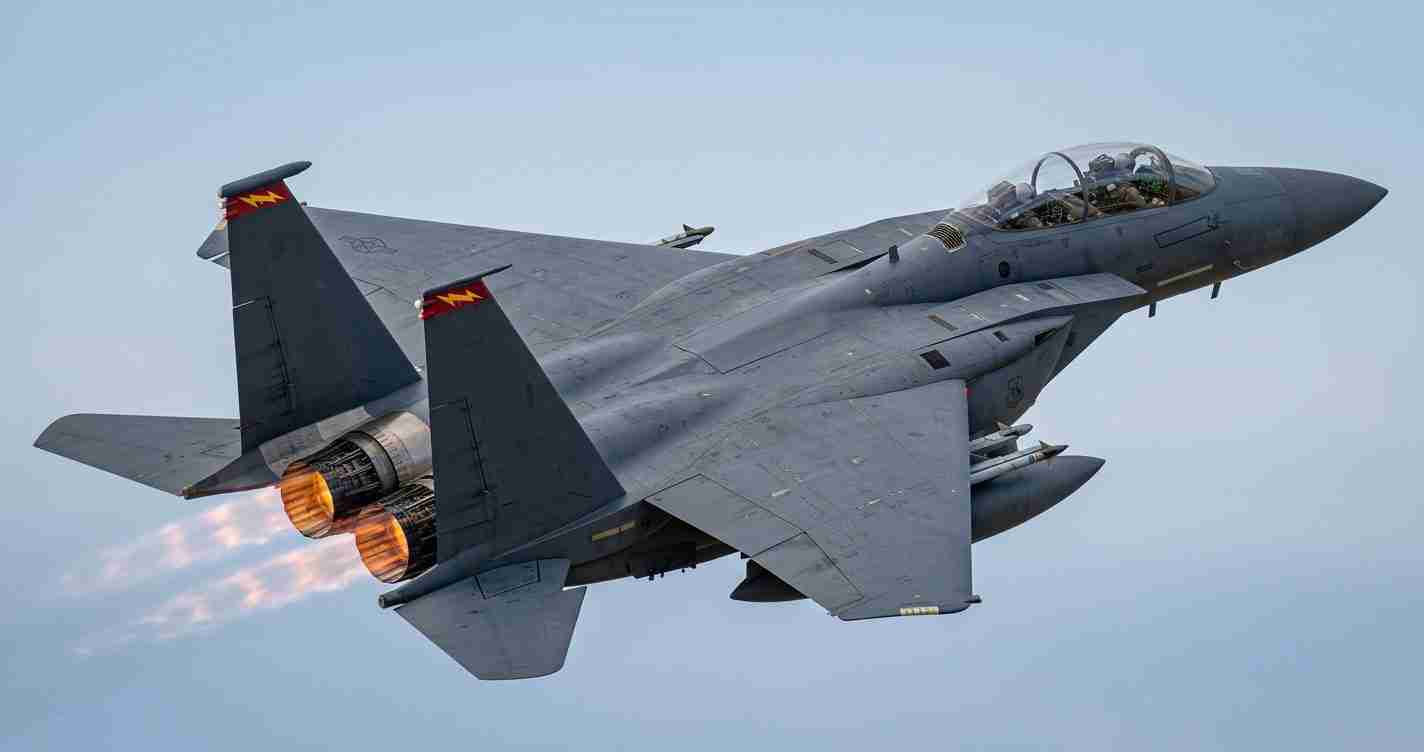
Three Russian MiG-31 fighters briefly entered Estonian airspace near Tallinn on September 19, 2025, triggering NATO air policing and prompting Estonia to invoke Article 4 as the U.S. pledged to defend every inch of NATO territory.
Key takeaways
- Date: September 19, 2025 — three Russian MiG-31 jets entered Estonian airspace for about 12 minutes.
- NATO response: Italian F-35s scrambled and were joined by Swedish and Finnish aircraft to intercept and escort the jets out.
- Political step: Estonia invoked NATO Article 4 for urgent consultations; NATO ambassadors scheduled to meet on September 23.
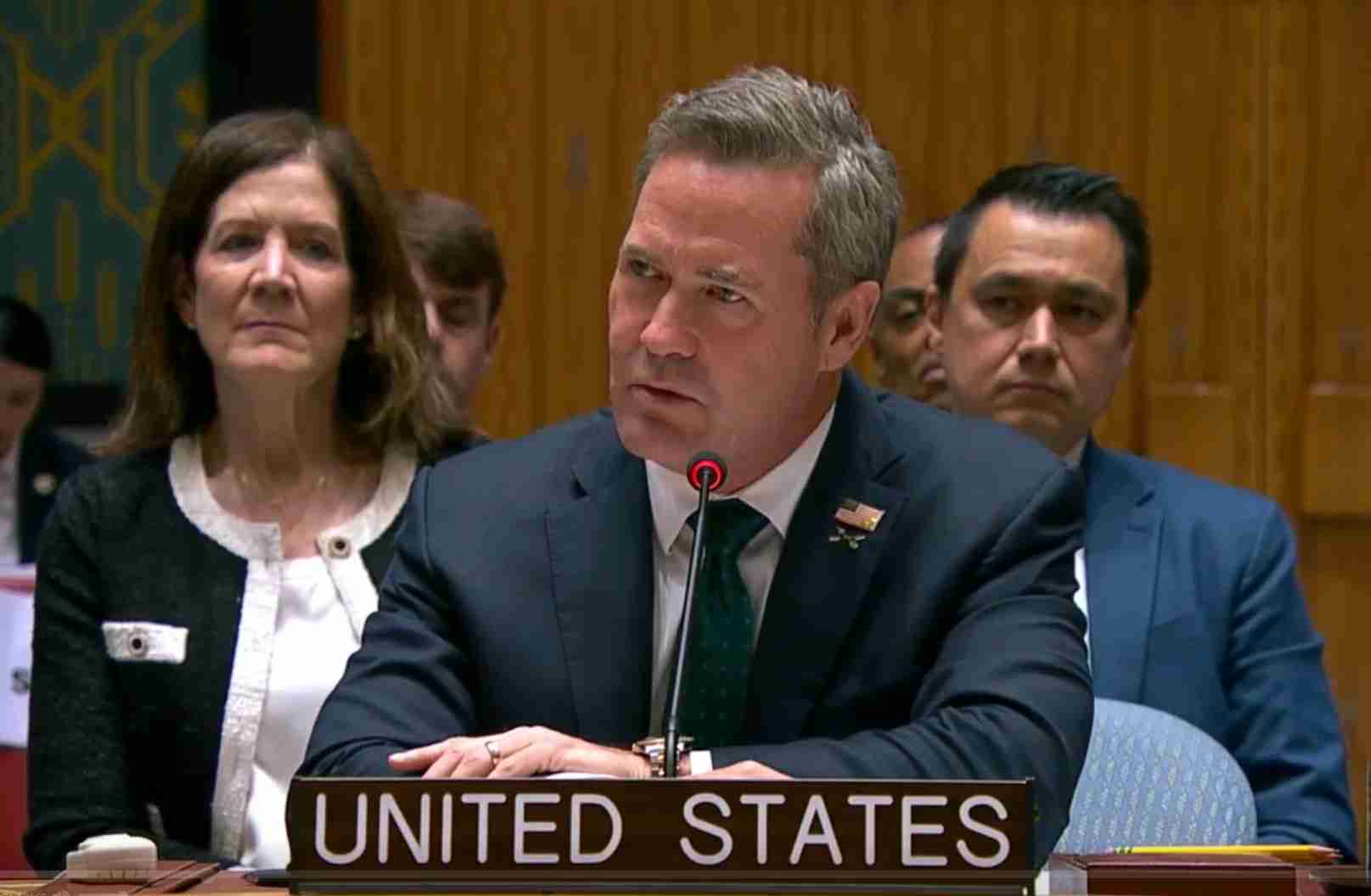
- U.S. position: Ambassador Mike Waltz said the United States will “defend every inch of NATO territory.”
Incident details
Estonian authorities report that three Russian MiG-31s entered Estonia’s airspace on September 19, 2025, flying for roughly 12 minutes near Tallinn’s Parliament building before departing. Estonian officials characterized the event as a serious breach of sovereign airspace and noted it was the fourth such violation in 2025; officials also said a military helicopter breached Estonian skies earlier that month (video briefing — YouTube 2; French UN delegation summary).
NATO and Estonian response
NATO classified the incursion as a threat and initiated an immediate air policing response. Italian F-35s were scrambled and joined by Swedish and Finnish aircraft on patrol; allied jets intercepted the MiG-31s and escorted them out of Estonian airspace (video briefing — YouTube 1; video briefing — YouTube 2).
Estonian Prime Minister Kristen Michal invoked NATO Article 4, requesting consultations among allies when one member believes its security is threatened. That request prompted urgent diplomatic talks among NATO capitals and a meeting of NATO ambassadors scheduled for September 23 to assess next steps.
The European Union condemned the flights as an “extremely dangerous provocation,” warning they undermine European security and stability (video briefing — YouTube 2).
U.S. commitment: “US defends NATO territory”
U.S. Ambassador to the United Nations Mike Waltz reaffirmed Washington’s support for NATO’s collective defense, stating the United States “will defend every inch of NATO territory.” His remarks were aimed at reassuring allies and signaling to Moscow the risks of further provocations (video briefing — YouTube 1; video briefing — YouTube 2).
“We will defend every inch of NATO territory,” Ambassador Waltz said, echoing the alliance’s commitment to deterrence under Article 5 while emphasizing the role of clear collective resolve.
Pattern of incursions and Moscow’s response
Estonian officials placed the incident within a broader pattern of close military encounters and airspace breaches reported this year in the region, including incidents in Poland and Romania. Analysts warn these events may represent probing actions meant to test NATO’s response thresholds (video briefing — YouTube 1).
Moscow denied deliberate violation, asserting the aircraft followed a scheduled route between Karelia and the Kaliningrad exclave and accusing Estonia of exaggeration. Russia characterized the flights as routine and rejected claims of provocation (video briefing — YouTube 2).
NATO Article 4 invoked: what it means
Invoking Article 4 does not automatically trigger military action; it initiates consultations among allies when a member believes its security is threatened. Outcomes can range from political statements and enhanced surveillance to deployments or, in a more extreme case, movement toward Article 5 responses if a clear attack occurs (video briefing — YouTube 2).
Estonia used Article 4 to accelerate allied coordination and press for a combined diplomatic and military posture. NATO ambassadors were set to meet on September 23 to determine deterrence and reassurance measures.
Geopolitical context and risks
The Baltic region remains a frontline of tension between Russia and the West. NATO’s air policing missions have grown to reassure Estonia, Latvia and Lithuania, but recent upticks in close encounters raise the risk of miscalculation. Analysts say Moscow may pursue goals such as testing readiness, gathering intelligence, and applying political pressure to weaken allied unity (video briefing — YouTube 1).
Allied leaders face a strategic dilemma: respond strongly enough to deter repeats while managing diplomacy to avoid accidents that could escalate into broader conflict.
Implications for California
Economic and defense industry impact: California hosts major defense contractors and tech firms that supply aircraft, sensors and command systems used by NATO partners. Rising tensions could boost demand and contracts for California companies producing avionics, drones, and secure communications gear.
Political and security ties: California’s diverse communities include families with ties to Europe and the Baltic states. Strong U.S. responses may resonate with voters who favor credible deterrence and steady leadership.
Military readiness and basing: State bases train personnel who may deploy to NATO missions. The incident highlights global deployment realities and could affect training tempos or procurement priorities.
Economic risk and trade: Escalation in Europe could ripple through global markets, potentially affecting California exporters and tech investments.
Practical effects: For most Californians the immediate impact is limited, but state and local leaders should monitor federal spending priorities, export markets, and changes in the security environment that could influence jobs and budgets.
Sources and further reading
- Video briefing — YouTube 1
- Video briefing — YouTube 2
- French UN delegation summary of Estonia’s allegations
Updates
This article will be updated as NATO and U.S. officials release further details and verbatim statements from Ambassador Waltz and allied leaders.