NEW YORK, July 29 (Our New York News) — For New York City patients, AI’s biggest health impact may be quieter than it sounds: earlier diagnosis, more tailored treatment and more monitoring outside the clinic.
An IEEE report, as summarized by Fox Business, says advances in artificial intelligence could reshape healthcare over the next five to 10 years. The report’s expert panel ranked personalized medicine, genetic engineering and gene therapy, and accessible early disease diagnostics and biomarkers as the areas with the highest scores for impact, likelihood of success, maturity and adoption.
What that could mean in everyday care
Peer-reviewed reviews hosted on PubMed Central say AI is already being used in disease detection, personalized care, drug discovery, predictive analytics, telemedicine and wearable health technology. Those reviews say AI can also analyze electronic health records, medical images and genomic profiles to find patterns, predict disease progression and suggest better treatment strategies.
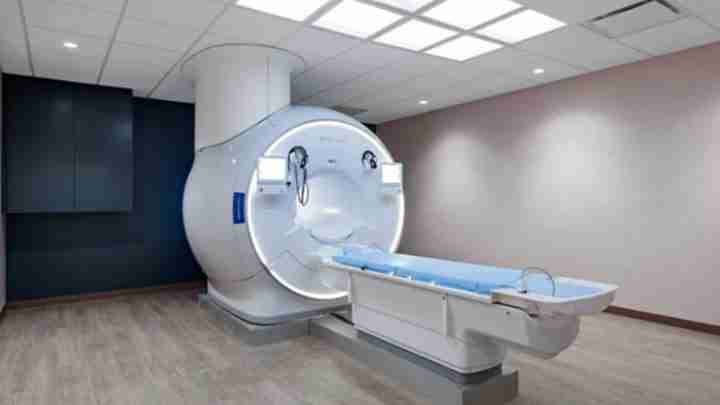
In practical terms, that points to less one-size-fits-all care. A future appointment may be more likely to include software that helps a clinician read a scan, compare it with past records and adjust treatment to a patient’s biology.
Why personalized medicine leads the list
The IEEE report put personalized medicine near the top because it is one of the clearest ways AI can improve care. Personalized medicine means using a patient’s own data — such as genetics, history and test results — to guide decisions instead of relying only on broad averages.
A 2020 review in PubMed Central said the convergence of AI and precision medicine is expected to revolutionize healthcare by giving clinicians and consumers highly personalized diagnostic and therapeutic information. A 2021 review said precision medicine will keep transforming healthcare over the coming decade as AI, routine clinical genomics, phenomics and environmental data become more common.
Another review published in 2025 said AI-enabled technologies may improve diagnostic accuracy, optimize treatment strategies and improve patient outcomes. It said AI in multi-omics integration, wearable technologies and precision therapies could redefine healthcare models.
Where early gains may come first
One PubMed Central article on AI in healthcare says short-term uses include precision imaging. It says medium-term uses could expand to larger-scale precision imaging, synthetic biology, immunomics and more customized care. Long-term uses could include genomics medicine, AI-driven drug discovery and new curative treatments.
That fits the IEEE report’s focus on accessible early disease diagnostics and biomarkers. Biomarkers are measurable signs in the body that can help show whether a disease is present or how it is changing.
What could slow it down
The IEEE report also points to barriers. It lists privacy and security concerns around health data, especially data used for public-health prevention, epidemiology and surveillance. It also cites status-quo culture, which can slow adoption even when a tool is ready.
The medical reviews frame AI as a tool to help clinicians and patients, not as a stand-alone replacement for care. That matters because the most likely near-term changes are not dramatic headlines. They are more subtle shifts: faster pattern spotting, earlier alerts and treatment plans that better fit the person in front of the doctor.
The bottom line
The IEEE report and the medical reviews point in the same direction. By the end of the decade, AI could help healthcare move from reacting to illness toward spotting it sooner and tailoring care more closely to the patient. The areas most likely to matter first are personalized medicine, gene therapy and early diagnostics — the same fields the IEEE report ranked highest for impact and likely success.