How a Blackpool Burger Stand Kept Its Signature £1 Burger for Nearly 20 Years — and What California Small Businesses Can Learn
In Blackpool, Chris Higgitt has kept his signature burger at £1 since 2006, using bulk purchasing, efficient operations and viral social media to sustain volume-driven economics that turned a sideline into the arcade’s main revenue source.
Key takeaways
- Longevity through volume: The £1 burger has been sold since 2006 by leaning on high throughput and tight cost control.
- Simple product, simple margins: The burger is deliberately basic (bun, English beef patty, onions, sauce) with estimated cost ~50p each.
- Social media as free marketing: TikTok and YouTube creators amplify traffic, creating a self-reinforcing visitor loop.
- Not a universal model: Replicating this in California requires careful math around wages, rent, permits and supplier logistics.
How the £1 burger began
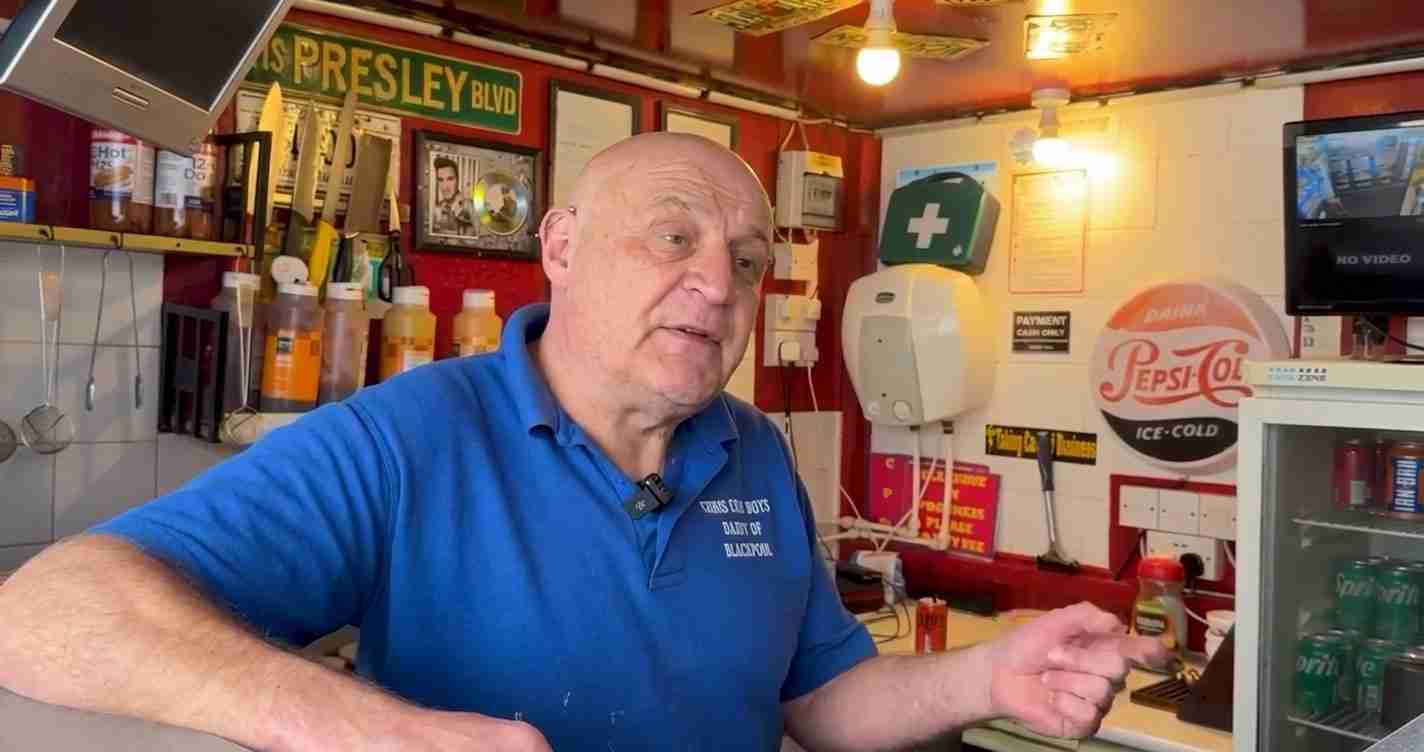
Owner: Chris Higgitt, 58, and his wife Karen bought an arcade in Blackpool in 2006 and added a small burger bar to boost income. Higgitt says he “sat down and did the math” and decided a basic burger could be sold for £1 and still “make the numbers work.” (Source: Fox News)
What’s in the burger and how it’s priced
The signature £1 burger is intentionally no-frills: a bun, an English beef patty, onions and sauce. Higgitt estimates the production cost at about 50p per burger—including ingredients and electricity—implying a simple gross spread on paper but not accounting for labor, rent or other overhead.
Operational tactics that keep prices low
- Bulk purchasing: Large orders of buns, meat and onions reduce unit cost.
- High throughput: Long lines and visitor volume spread fixed costs over many sales.
- Menu simplicity: A tiny menu cuts prep time, waste and labor complexity.
- Seasonal focus: Open seven days a week from March through November to concentrate sales in peak tourist months.
- Social media friendliness: Welcoming creators turns free publicity into repeat business.
Social media as a pricing tool
Viral attention from TikTok and YouTube creators regularly draws long queues and tourists. Higgitt says he is “always welcoming toward food YouTubers or TikTokers” — those videos create a feedback loop: creators attract visitors, visitors create more content, and the cycle sustains high volume with minimal marketing spend.
Demand, queues and customer experience
During peak summer months, customers sometimes wait more than an hour. The queues and arcade setting add to the attraction: visitors buy not just a cheap meal but an experience and a shareable story. Higgitt treats the enduring price as a point of pride and part of the brand identity.
Business mix and revenue dynamics
The combined arcade and burger operation has evolved: the £1 Burger Bar now generates roughly 90% of the business’s revenue, according to Higgitt. The model demonstrates how a simple, low-price item can scale via volume, tight cost control and ancillary purchases (hot dogs, Spam and sausage sandwiches, drinks) to improve overall profitability.
Context: inflation, pay pressures and pricing strategy
Keeping a nominal price unchanged since 2006 runs counter to general inflationary trends. Analysts note the 50p production estimate does not cover all expenses; success depends on tourism volume, owner labor or low local wages, favorable supplier deals and sustained publicity. The Blackpool case is instructive but not easily replicated everywhere.
Implications for California
Economic impact
In California tourist corridors, a low-price draw can increase foot traffic and benefit neighboring businesses. However, higher local rents, stricter health regulations and higher minimum wages mean margins are tighter; reliable bulk suppliers and cold-storage logistics are essential.
Political consequences
The example highlights policy trade-offs: small-business owners often seek flexibility in permitting, lower fees or seasonal exemptions to enable low-price, high-volume models. Local tourism policy-makers might consider promoting affordable food options to lengthen stays and boost local spending.
Social effects
A stable, low-cost menu item can improve access to affordable meals for lower-income visitors or residents and help form cultural touchstones that attract tourists and build community identity.
Cultural relevance & practical applications
Entrepreneurial appeal: The Higgitt story resonates with California’s small-business culture: calculated risk-taking, lean operations and strategic social media use. Practical steps for California operators include:
- Do the math: Model ingredient, labor, rent, permit and insurance costs before launching.
- Use social media: Welcome creators to create organic promotion at low cost.
- Keep the menu tight: Reduce waste and speed service with a focused offering.
- Plan seasonally: Concentrate operations during high-tourist months or run pop-ups to control fixed costs.
- Leverage ancillary sales: Use a low-priced signature item as a loss leader to drive higher-margin add-ons.
Source and reporting
This article summarizes reporting credited to news agency SWNS and Fox News. Reporting and interviews are available via the Fox News summary of SWNS reporting. Additional local reporting would be required to audit Higgitt’s finances or verify supplier contracts and exact margin calculations.
“We thought of a burger bar,” Higgitt told SWNS. “I sat down and did the math.”