Trump officials warn California’s reliance on foreign oil is a national security threat, push to restart Santa Barbara offshore wells
Lede: Trump administration officials say California’s reliance on imported crude—more than 60% of oil refined in the state—poses a national security risk and urged restarting previously drilled offshore wells near Santa Barbara; Governor Gavin Newsom vows legal opposition.
Key takeaways
- Federal claim: Officials say restarting previously drilled offshore wells could reduce California’s foreign crude dependence and strengthen energy security for military operations and businesses (Fox Business report).
- Import metric: Administration materials note that more than 60% of the crude refined in California is sourced from overseas, a point used to argue national security risk (DOE fact sheet).
- Project focus: Officials want to restart the Sable Oil Project near Santa Barbara using existing wells and infrastructure; California officials counter with legal and regulatory resistance (Governor’s office statement).
Federal officials’ case: national security and energy reliability
What officials say: U.S. Energy Secretary Chris Wright told reporters that restarting previously drilled offshore wells could reduce the state’s foreign oil dependence and “increase energy security for our military operations in California,” which hosts about 30 military facilities.
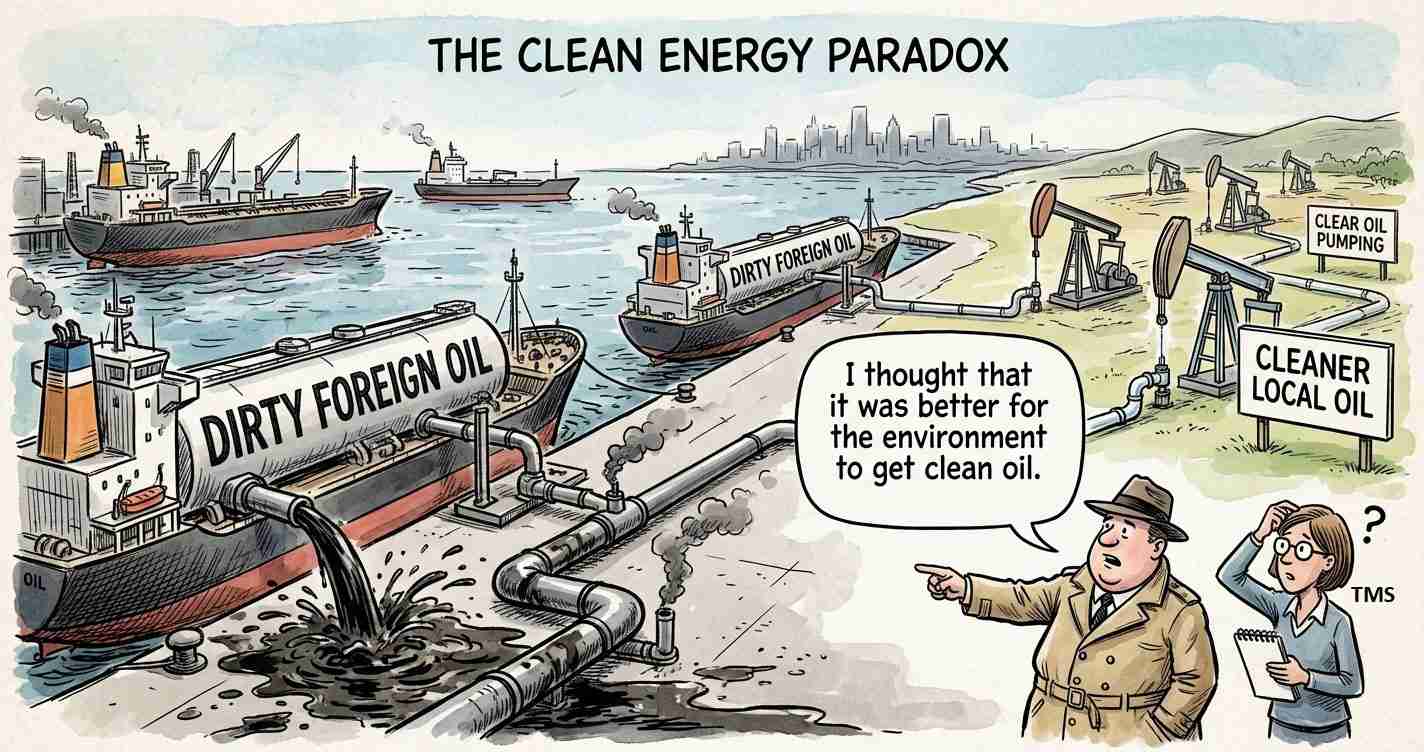
Interior Secretary Doug Burgum argued more forcefully that California has become an “energy desert” and that importing “60% of their oil from foreign countries” is “an absolute national security risk.” Administration briefings also point to global instability — including tensions in the Middle East — and vulnerability of shipping routes such as the Strait of Hormuz as drivers of the concern (E&E News; DOE fact sheet).
“Start to change the game” — characterization used by federal officials to describe potential business and consumer effects of added local crude supply (Fox Business).
State opposition and legal fight
Governor and state officials: Governor Gavin Newsom’s office called the federal action an exploitation of crisis and vowed court challenges, noting the pipeline at issue was shut after a 2015 spill and that safety and coastal protection remain paramount.
Environmental and regulatory frame: State regulators and environmental groups frame the push as a rollback of safety and environmental protections, arguing the administration risks long-term coastal health for short-term fuel supply.
Numbers and nuance: the 60% import claim
Administration materials and officials cite that more than 60% of crude refined in California comes from overseas (DOE fact sheet), a figure central to their national security argument.
Nuance: Reporting notes the 60% figure describes the share of crude refined in California sourced from foreign suppliers, not the share of total liquid fuels directly consumed by Californians. Product flows, interregional imports and refinery operations complicate single-source interpretations (E&E News; Fox Business).
About the Sable Oil Project and offshore operations
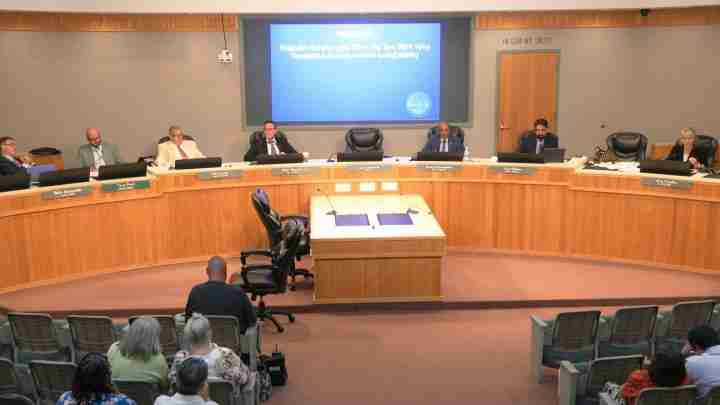
The administration says it would restart the Sable Oil Project near Santa Barbara using previously drilled wells and existing infrastructure rather than issuing broad new leases (Fox Business). Officials have also discussed the plan in public briefings available on video (public briefing video).
California regulators stress the pipeline and operations were shuttered after environmental damage and that memories of past spills — and the region’s reliance on tourism and fisheries — heighten local stakes (Governor’s office).
Energy, economy and the military
The administration links domestic production to goals such as affordable fuel prices, manufacturing support, electricity generation and military readiness. Burgum has argued that reliable, affordable energy underpins manufacturing and new technologies, including AI (Fox Business; DOE fact sheet).
California’s in-state oil production and refining capacity have declined over decades, trends the administration says increase exposure to foreign market swings (analysis).
Context of the federal push
The actions fit a broader administration campaign to boost domestic fossil fuel production and reduce reliance on foreign crude, sometimes invoking emergency powers to accelerate projects and bypass state-level obstacles (Politico report; E&E News).
Implications for California
Economic: Restarting offshore oil could create short-term jobs for operations and pipeline work and might ease some fuel-price pressure if it increases local crude supply meaningfully. But refinery constraints and distribution patterns mean quick consumer relief is uncertain; legal delays could limit economic benefits (Vibetrader; E&E News).
Political and social: The dispute sharpens federal-state tensions and will likely prompt more litigation. Locally, coastal communities fear spills and impacts to fisheries, tourism and recreation, while inland and working-class areas may prioritize price and supply stability.
Cultural: California’s coast has deep cultural significance; efforts to restart offshore operations touch values about protecting beaches, wildlife and ocean health, explaining fierce resistance from state leaders and environmental groups (Governor’s office).
Practical: For the military, any added local crude could ease logistics at bases across the state. For civilians and businesses, impacts depend on refinery and distribution changes more than crude location alone; watch legal and regulatory developments closely.
Sources and reporting
This article draws on statements and reporting from the U.S. Department of Energy (DOE fact sheet), E&E News (E&E News), Fox Business (Fox Business report), Politico (Politico), the Governor’s office (Governor’s statement), Vibetrader (analysis) and public briefings (video).