Harris Labels Trump a “Tyrant,” Scolds CEOs for Capitulation Ahead of New Book Release
Former Vice President Kamala Harris called President Donald Trump a “tyrant” and likened him to a “communist dictator,” sharply criticizing CEOs and institutional leaders as “feckless” just before her memoir, 107 Days, was released.
Key takeaways
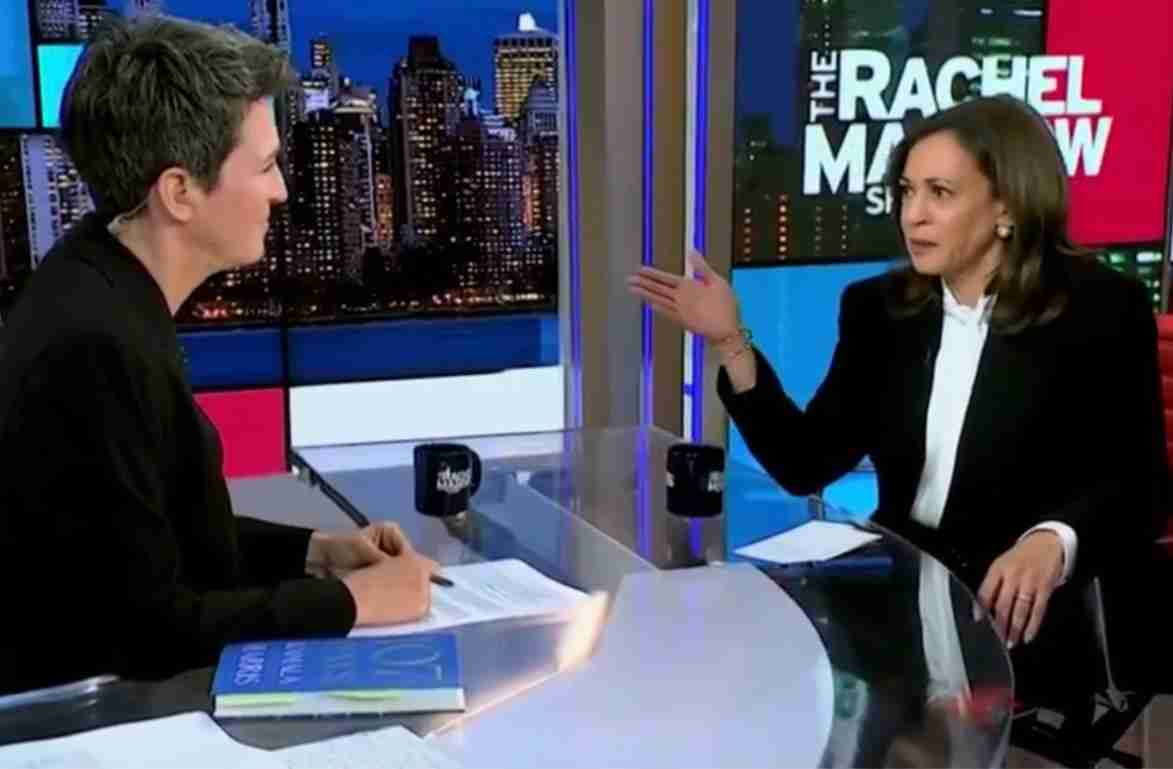
- Harris called Trump a “tyrant” and compared his behavior to that of a “communist dictator” during an MSNBC interview with Rachel Maddow.
- She accused American CEOs, billionaires and institutional leaders of being “feckless” for failing to push back against attacks on democratic norms.
- The interview aired the night before the release of her memoir 107 Days, which recounts her experience becoming the Democratic nominee after President Biden’s withdrawal.
- Coverage and full recordings are available via the linked reports and clips below for verification.
Main content
Key information
In a televised sit-down with Rachel Maddow, Harris called President Trump a “tyrant” and said his conduct resembled that of a “communist dictator,” arguing he uses federal power to enforce his personal will. See the Fox News coverage and full video of the interview, the video clip, and the full segment for source material.
Investigative look at the interview and claims
Harris framed her remarks as a warning about democratic erosion and a call for leaders outside government to act. She stated,
“We used to compare the strength of our democracy to communist dictators. That’s what we’re dealing with right now under Donald Trump,”
charging that Trump wields federal power in ways that protect his ego rather than the public interest. Sources include the Fox News piece and the MSNBC interview segment.
Her rhetoric moved from partisan critique to an institutional diagnosis: Harris said she had expected the private sector to function as “guardrails for our democracy,” but found them largely silent. “One by one… they have been silent,” she said, explicitly calling out CEOs, billionaires and institutional leaders.
Harris used pointed examples to make her case, mocking the idea that the wealthy would risk real losses by speaking out: “It’s not like they’re going to lose their yacht or their house in the Hamptons.” She tied the argument to economic stability: “Democracy sustains capitalism” and “capitalism thrives in a democracy.”
She broadened her critique to media and academic institutions, accusing some of “bending to blackmail and outrageous demands” and citing punitive actions against television figures as examples of institutions yielding rather than serving as checks on executive overreach.
Context: book release and timing
The interview aired the night before Harris’s memoir, 107 Days, hit the market. The book focuses on the period when she became the Democratic nominee after President Biden’s withdrawal during the 2024 campaign. The appearance functioned as both political argument and promotion for the memoir.
Reporter notes and available responses
At the time of reporting, major outlets and the interview video document Harris’s comments but do not include immediate on-the-record responses from President Trump, the CEOs implicitly named, or the corporations criticized. Coverage to date centers on Harris’s rhetoric and the book excerpt and interview content. Refer to the original Fox News report and the available video segment for source verification.
Analysis: the claim and counter-arguments
Harris’s claims combine three strands: (1) that Trump’s conduct threatens democratic norms, (2) that the private sector has a civic duty to resist such threats, and (3) that silence by business leaders risks both democracy and capitalism. Each element invites scrutiny.
- Proportionality of rhetoric: Calling a sitting president a “tyrant” and likening him to a “communist dictator” escalates the debate. For some, the language is hyperbolic; for others, it is a necessary alarm.
- CEOs’ duty and limits: Critics argue executives balance shareholder interests, legal exposure and employee safety; supporters say business has a civic role to protect democratic norms.
- Silence and capitalism: Harris links democratic health to long-term economic stability; skeptics note firms may prioritize profit and avoid political entanglement.
Harris acknowledges fear among elites that federal power could be misused to intimidate dissenters but rejects that fear as a full justification for public silence.
CEOs’ political influence: expectations and limits
The critique touches on a longer debate: corporate leaders have increasingly weighed in on social and political issues, but responses are uneven and reflect risk, reputation, and regulatory calculations. Harris contends that calculations have too often tipped toward self-preservation rather than civic duty.
Implications for California
Economic impact: California hosts many firms Harris implicitly criticized—tech firms, entertainment studios, venture capital and finance. Corporate stances can influence investment, hiring and regulatory strategies in the state, and public opposition could invite federal scrutiny that risks jobs or contracts.
Political consequences: In a Democratic stronghold like California, Harris’s remarks may heighten expectations that local executives take public stands, potentially increasing tensions between corporate boards and state officials and shaping voter perceptions of endorsements and lobbying.
Social effects: Universities, media outlets and cultural institutions often act as civic anchors; Harris’s criticism could prompt renewed calls for transparency and governance reforms to resist political pressure.
Cultural relevance: California’s emphasis on corporate social responsibility makes Harris’s call for CEOs to act as “guardrails for our democracy” resonate regionally, even as some stakeholders prefer corporate neutrality to protect commerce.
Practical applications for residents
- Voters and shareholders can press boards and executives for clarity on civic responsibilities through shareholder proposals or public petitions.
- Local policymakers might consider incentives or protections for businesses that speak out, balancing free speech with legal risk.
- Universities and media outlets may face renewed demands for clear ethics and transparency policies to resist political pressure.
Sources
Full interview coverage and reporting: Fox News coverage and full video of the interview; video clip on Fox News: video clip; full segment on YouTube: full segment.