Southwest flight delayed over an hour after humanoid robot Bebop’s battery flagged at Oakland gate
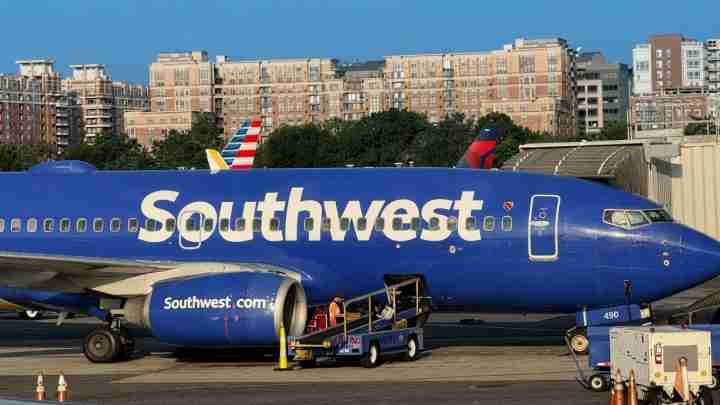
A Southwest Airlines flight from Oakland to San Diego was delayed over an hour on April 30, 2026, after handlers were forced to remove the 70–75 pound humanoid robot Bebop’s lithium battery at the gate for safety compliance.
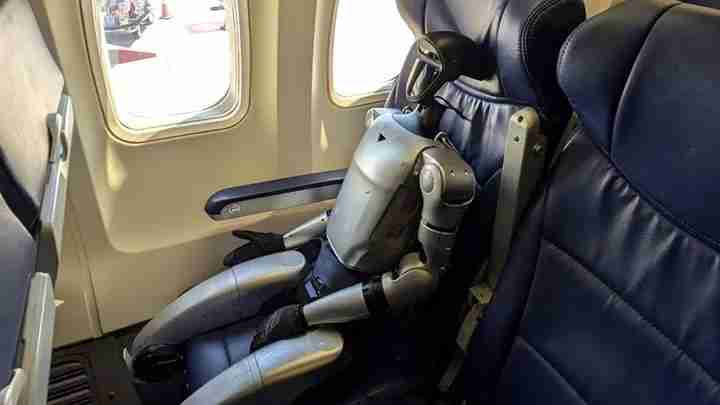
- Unusual gate scene: A four‑foot dancing robot drew crowds and initially boarded after a seat purchase, then was held over battery concerns.
- Battery safety enforced: Southwest required removal of Bebop’s lithium battery because it exceeded the airline’s allowable limit.
- Operational ripple effects: The removal and checks delayed departure about an hour and triggered extra logistics for handlers.
- Wider implications: Incident underscores the need for clearer preflight guidance for large devices and batteries.
What happened at the gate
Flight WN1568, scheduled from Oakland (OAK) to San Diego (SAN), encountered an uncommon preflight disruption when a rented humanoid robot named Bebop — described by handlers as about 70–75 pounds and roughly four feet tall — entertained travelers at the gate. Videos show the robot greeting passengers, accepting high‑fives from children and performing short dances that drew a crowd.
Elite Event Robotics employee Eily Ben‑Abraham said staff discovered the combined weight of the robot and its transport case exceeded Southwest’s 100‑pound carry‑on limit. As a workaround, the company bought a standard seat and registered Bebop as an inanimate object so it could ride in the cabin; the company said that approach had worked earlier that day on a Dallas‑to‑Oakland leg. For video and reporting, see video and reporting and Fox News coverage.
Boarding stalled after airline personnel raised concerns not about size but the robot’s lithium battery. Southwest told reporters the device’s battery exceeded the airline’s allowed size and staff asked handlers to remove it before takeoff. That removal and subsequent checks delayed departure by about an hour. Southwest emphasized safety as the top priority and praised its crew for professionalism in its statement quoted in coverage.
Timeline and logistics
- Pre‑flight: Bebop arrived in Oakland earlier the same day from Dallas with the battery installed.
- Gate: After the case was deemed too large for carry‑on limits, a seat was purchased for Bebop; live footage shows the robot secured in a seat and interacting with passengers before crews flagged the battery.
- Battery removal and delay: At crew request, the handler removed the robot’s battery and was directed to contact Southwest’s confiscation or hazardous‑materials team; the aircraft departed after roughly an hour. Elite Event Robotics later posted that Bebop “finally made it on board.” (See the company post.)
- Aftermath: Bebop was due at an event in Chicago that weekend; with the battery left behind, relatives drove over five hours and the battery was overnighted to a hotel in Chicago to power the robot for the next engagement. Related posts and footage were shared on Facebook and video channels.
Why the battery mattered
Aviation regulators and carriers tightly control lithium batteries because of fire risk. Rules distinguish batteries installed in devices from spare batteries carried in cabin; many carriers follow FAA and TSA guidance that limits the watt‑hour (Wh) rating of batteries permitted in carry‑on or checked baggage without prior approval. When batteries exceed those limits, airlines can prohibit them from boarding or require special handling. See official TSA guidance for details.
Southwest’s position: The airline said Bebop’s battery exceeded its allowable maximum and the removal was required; Elite Event Robotics said it will continue flying robots but will ship batteries separately or arrange alternate logistics to avoid repeat delays.
Reactions from passengers and the public
Many travelers enjoyed the spectacle; videos online show families and children gathering to see Bebop dance and recording the moment. Elite Event Robotics framed the delay on social media as “Delayed … but worth the wait.”
However, not all reactions were positive: some passengers reported missed connections and extra expenses. Social responses debated whether a commercial cabin is an appropriate place for freight, with commentators labeling Bebop as cargo rather than a passenger. One passenger cited roughly $400 in costs after missing a connection.
Regulatory and airline policy context
Airlines must enforce limits grounded in safety regulations because lithium batteries can overheat, ignite and be difficult to extinguish in flight. Policies vary in detail across carriers, but they aim to comply with FAA and TSA rules and often require prior approval for batteries over certain watt‑hour thresholds.
This event highlights a recurring tension: businesses and passengers want predictable rules for unusual items, while airlines must mitigate risks. Ambiguity or poor communication can lead to last‑minute gate interventions and consequential delays.
Implications for California
Airport operations: Oakland International is a busy hub; even novel gate delays can ripple through schedules, affecting on‑time performance and time‑sensitive travelers such as commuters and those with connections.
Tech and event logistics: California hosts many tech and entertainment events; companies moving interactive equipment between cities need clear processes — whether items must go as checked cargo, require hazardous‑materials approval, or be shipped separately.
Safety and public confidence: Strict enforcement reinforces a safety‑first approach that many residents favor, though consistent, transparent application of rules is important to avoid perceptions of ad‑hoc decision‑making.
Economic effects for small firms: Elite Event Robotics’ workaround — buying a seat and later shipping the battery — added cost and logistical burden. Smaller companies may lack resources to absorb such surprises; better industry guidance could reduce waste and delays.
Consumer tips: If traveling with large devices or batteries, check airline and TSA rules well before departure, contact the carrier’s hazardous‑materials team to declare oversized batteries or arrange cargo shipment, and build backup plans if equipment arrives without power.
Reporting and sources
- Gate video and local reporting
- Fox News Digital coverage and airline statement
- NDTV reporting on passenger reactions and logistics
- TSA guidance on lithium batteries
Note: This account preserves reporting from live gate video, interviews with an Elite Event Robotics employee, and statements from Southwest supplied to Fox News Digital.