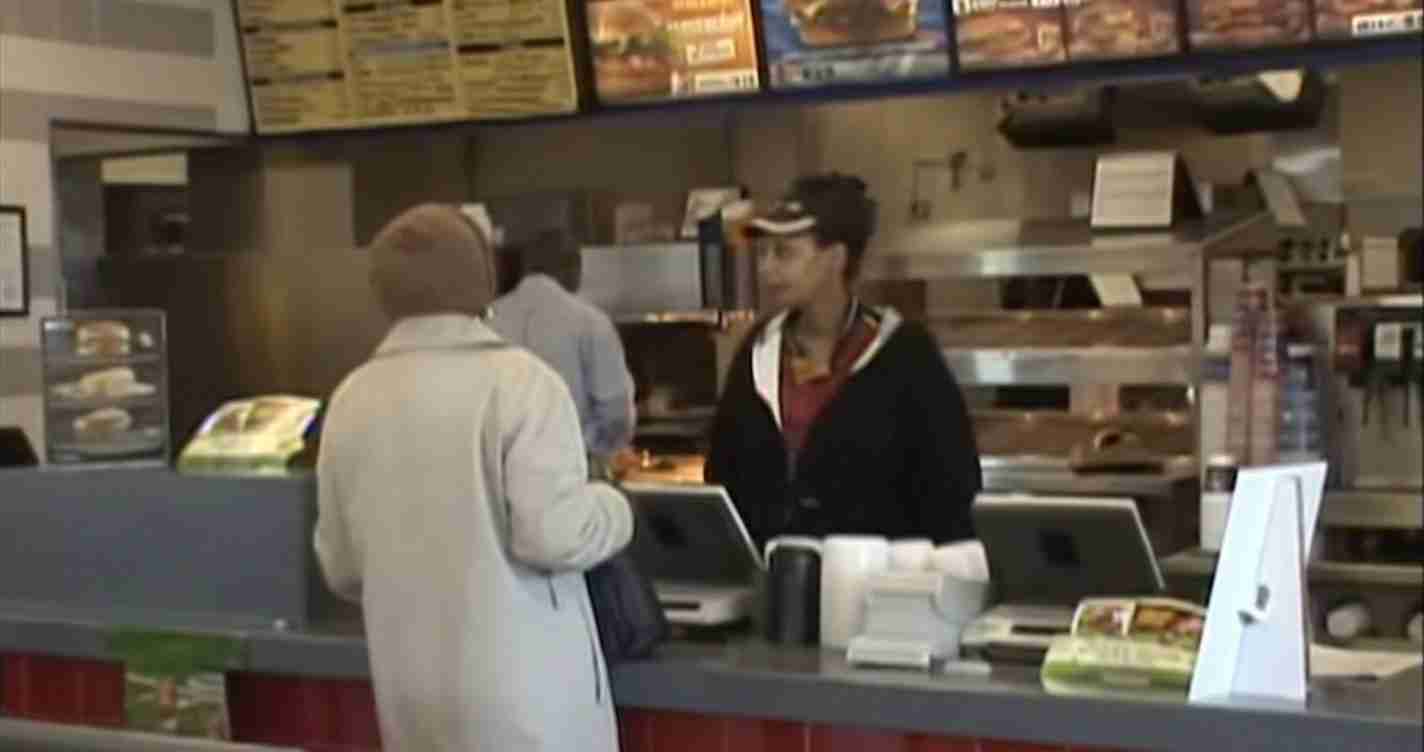
Burger King’s “Patty” listens at the drive-thru — a manners coach or workplace monitor?
Burger King has rolled out ‘Patty,’ an AI voice assistant on employee headsets to coach drive‑thru staff on polite language, streamline operations and analyze interactions — a system slated for nationwide deployment by late 2026 that raises privacy and labor concerns.
- AI coaching + operations: Patty guides staff on greetings and procedures while flagging inventory and broken equipment.
- Data at store level: Burger King says reports are aggregated by location and the tool is intended as coaching, not individual scoring.
- Rollout plan: Piloted at ~100 locations in 2025, expanded to ~500 in 2026, with a U.S. rollout targeted by end of 2026.
- Concerns: Labor and privacy advocates warn of surveillance, stress and legal questions about data use and retention.
Key information
Patty is an AI voice assistant built with OpenAI technology and part of Burger King’s BK Assistant platform. (Sources: Fox News, MediaPost, The Jerusalem Post.)
It listens to drive‑thru headset audio from when a car pulls up until it leaves, looking for politeness phrases such as “Welcome to Burger King,” “please,” and “thank you.” (Sources: Fox News, MediaPost.)
Patty compiles that information into location‑level reports for managers. Burger King states the system is meant as a coaching tool and does not record full conversations or score individual employees. (Sources: Fox News, The Jerusalem Post.)
Beyond manners, the assistant answers staff questions on recipes and cleaning, flags inventory shortages and broken machines, and can update menus and apps when items run out. Data from Patty helped bring back apple pie after it was removed in 2020. (Sources: Fox News, MediaPost.)
Burger King piloted Patty in about 100 U.S. locations in 2025, expanded to roughly 500 stores in 2026, and aims to roll it out nationwide by the end of 2026, with headset and web/app versions planned. (Sources: Fox News, MediaPost, The Jerusalem Post.)
Competitors have tested similar drive‑thru technology, with mixed results for speed and accuracy. Burger King’s approach stands out because it focuses on employee behavior as well as operations. (Sources: Fox News, The Jerusalem Post.)
What Patty does and how it works
Patty runs on the BK Assistant platform and listens to headset audio during the drive‑thru interaction window. The system flags whether staff use polite phrases and tallies that information at the location level. Managers receive reports showing how consistently a store greets customers and uses words like “please” and “thank you.” (Sources: Fox News; MediaPost.)
Operationally, Patty also acts as an in‑kitchen assistant: staff can ask recipe quantities, cleaning procedures or item availability. The AI flags inventory gaps and equipment failures and can push updates to digital menus and apps to reflect availability — a capability that reportedly contributed to reinstating apple pie. (Sources: Fox News; MediaPost.)
Rollout plans and industry context
Burger King tested Patty in roughly 100 locations in 2025 and expanded to about 500 in 2026, with a goal of nationwide availability by the end of 2026. Executives portray the move as modernizing frontline support and reducing errors in a high‑turnover sector. (Sources: Fox News; MediaPost; The Jerusalem Post.)
Other quick‑service brands — McDonald’s, Taco Bell, Wendy’s, Pizza Hut and KFC — have tested drive‑thru automation and AI for ordering and menu management. Customers often praise faster service but report glitches; Burger King’s offering differs by emphasizing employee coaching as well as operational automation. (Sources: Fox News; The Jerusalem Post.)
Worker privacy and monitoring concerns
The rollout has drawn criticism from labor advocates and privacy watchers. AFL‑CIO’s Technology Institute director Lauren McFerran and others warn systems like Patty can feel like surveillance that pressures workers and reduces them to data points — especially in low‑wage, time‑pressed roles where context matters. (Sources: MediaPost; The Jerusalem Post.)
“Constant tracking of phrases can be stressful in low‑wage, time‑pressed jobs and may miss context in tense or messy interactions,” labor advocates say.
Burger King counters Patty is a coaching tool, not a scoring engine for every word, and emphasizes aggregated store‑level metrics rather than individual scorecards — though reporting notes the technology could evolve to analyze tone and conversational patterns. (Sources: Fox News; The Jerusalem Post.)
Data use, transparency and legal questions
Burger King says Patty does not record every conversation and focuses on specific interaction windows and aggregated metrics. Still, worker‑rights groups ask for clearer guardrails: how long is data retained, who has access, will it feed discipline or pay decisions, and how will errors be corrected? Those questions remain open as the technology spreads. (Sources: MediaPost; The Jerusalem Post; HCA Magazine.)
Operational benefits and menu decisions
Patty’s ability to flag inventory mentions and out‑of‑stock items has influenced menu moves, such as reinstating apple pie after the system showed unmet demand. For managers, instant alerts about broken machines or inventory can speed fixes and keep lines moving — benefits tied to profit and waste reduction. (Sources: Fox News; MediaPost.)
Implications for California
Economic impact
California hosts many Burger King restaurants and a large fast‑food workforce. Statewide rollout could mean faster service, fewer order errors and reduced lost sales from out‑of‑stock items — attractive in California’s high‑cost operating environment. (Sources: Fox News; MediaPost.)
Political and regulatory consequences
California’s robust workplace privacy and labor rules mean lawmakers and regulators may demand transparency on how Patty collects, stores and uses data. Possible outcomes include notice requirements, retention limits or restrictions on using AI outputs for discipline or scheduling — areas where advocacy groups will likely push for safeguards. (Sources: MediaPost; The Jerusalem Post.)
Social effects and worker well‑being
California’s high cost of living intensifies pressure on frontline workers. Regular monitoring can add stress and hurt retention unless employers pair Patty with training, clear rules and worker input. Employers who use the tool collaboratively may see better outcomes than those who use it strictly for oversight. (Sources: HCA Magazine; The Jerusalem Post.)
Cultural relevance
Californians expect friendly but authentic service. Nudging staff toward politeness may improve hospitality perceptions, but overly scripted interactions risk backlash in markets that prize genuineness. How Burger King balances coaching with natural interaction will shape local reactions. (Sources: Fox News; The Jerusalem Post.)
Practical applications for Californians
For managers and franchisees in California, Patty could reduce time spent on basic training and speed troubleshooting. For workers, it may offer on‑the‑job support for procedures. Employers should be ready to answer questions on privacy, data use and whether AI will influence pay or discipline; labor groups and policymakers may demand transparency and limits. (Sources: MediaPost; HCA Magazine.)
Sources and reporting
Reporting for this article draws on coverage of Burger King’s Patty and BK Assistant by Fox News, MediaPost, The Jerusalem Post and HCA Magazine.
Links to source material: Fox News; MediaPost; The Jerusalem Post; HCA Magazine.