Cincinnati Reds collapse deepens after mental error, walk-off skid, and bullpen wear leave team in last place
The Cincinnati Reds fell from first in the NL Central to last after a seven-game losing streak in early May 2026, capped by a high-profile Tyler Stephenson defensive lapse, bullpen exhaustion, and a spate of avoidable mental errors.
Key takeaways
- Rapid fall: Reds opened 20-11 but lost seven straight to drop to last in the NL Central.
- Costly blunder: Tyler Stephenson failed to apply a tag at home at Wrigley, igniting a five-run inning.
- Pitching strain: Overused starters, short outings and injuries exhausted the bullpen; the team tied an MLB mark with seven consecutive walks.
- Reset window: Six games at home (Astros, Nationals) offer a chance to rebuild fundamentals and confidence.
Main story
A close look at the Wrigley mistake
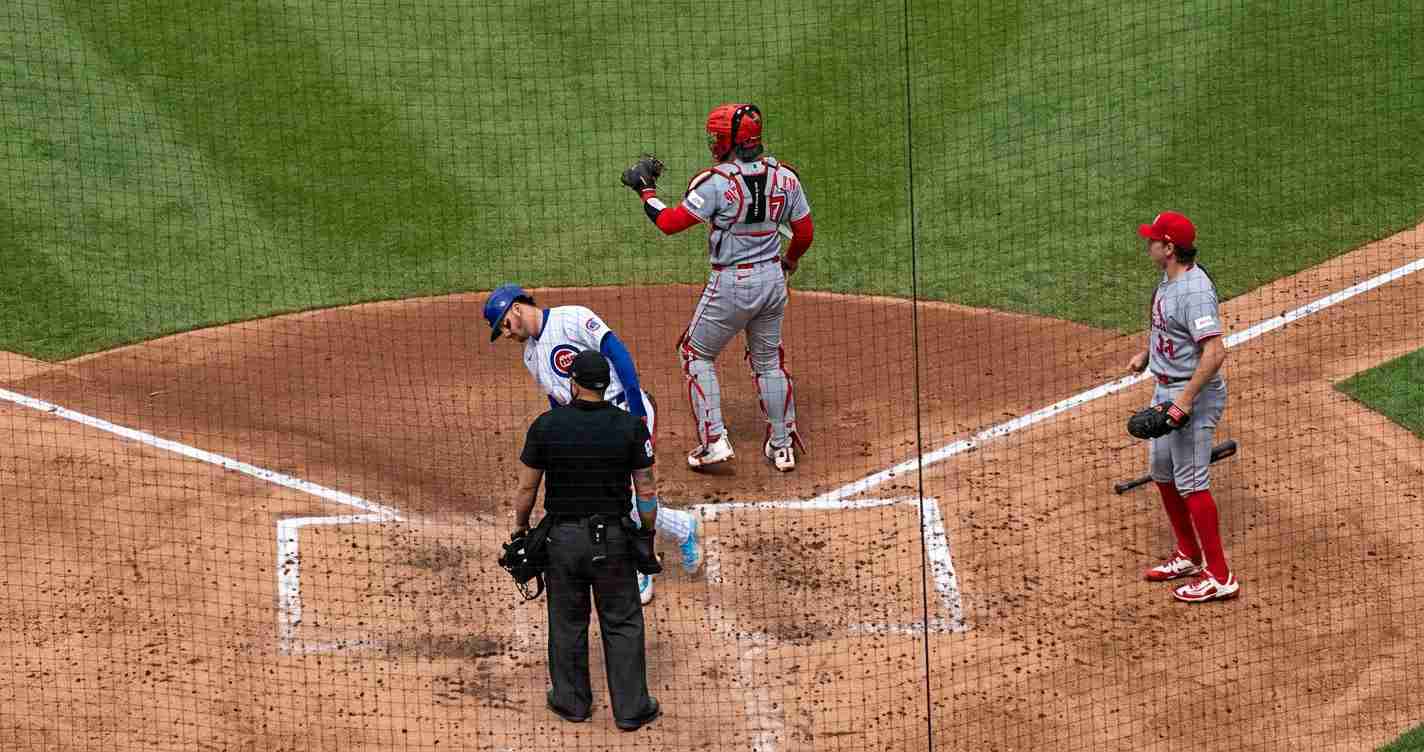
Situation: With Chicago leading 2-0 in the bottom of the fourth, the Cubs loaded the bases with nobody out. Ke’Bryan Hayes stepped on third for the first out and threw home. The throw beat Ian Happ, but Tyler Stephenson did not apply a tag, instead catching the ball while straddling the plate.
Because Hayes had touched third, the force at home was removed — a tag was required. Happ scored untouched, the Cubs erupted, and the play sparked a five-run inning that broke the game open in an 8-3 loss that completed a four-game sweep at Wrigley Field.
“It’s a tag play! He’s gotta tag him!” — John Sadak
“No! No! … Oh, this is a middle school mistake right here.” — Chris Welsh
Postgame: Stephenson said, “Forgot the force was off. Basic stuff—won’t happen again.” Manager David Bell emphasized a reset: “Tough stretch, but we’ve got talent. Time to reset at home.”
Pitching strain and injuries
Local and national analysts trace the collapse to a fatigued pitching staff. Starters produced a string of short outings in mid-April and early May, forcing long relief work from the bullpen. Reports cited shortened starts, rotation inconsistency, and relievers covering multiple innings on consecutive days.
One alarming indicator: Cincinnati tied an MLB mark by issuing seven consecutive walks in a contest against Pittsburgh — a clear sign of command issues and wear. Through the skid, Reds starters averaged roughly 4.2 innings per start while the bullpen ERA ballooned in game logs and analysis.
How the skid unfolded
The Reds began 2026 with optimism (20-11) and a lead in the NL Central. Early May reversed that promise: three walk-off defeats to the Cubs foreshadowed a four-game sweep in Chicago. The sweep culminated on May 8 in the 8-3 loss highlighted by the Stephenson error and a decisive five-run fourth inning.
After the loss, Cincinnati had lost seven straight and slid to last in the division — with Milwaukee and St. Louis ahead and Chicago and Pittsburgh also ahead of the Reds in the standings (as of May 8).
Offense, fundamentals and mental errors
Offense has not been the chief cause, but baseline mistakes, stranded runners and defensive lapses magnified pitching problems. Analysts criticized baserunning and fundamentals that compounded late-inning damage. The team still has talented run producers, but consistency and focus have frayed.
Reaction from beat writers and analysts
Beat writers at the Cincinnati Enquirer and analysts at The Athletic described the stretch as “from bad to worse,” noting the club’s outlook hinges on health and a bullpen reset. Social media amplified the Stephenson moment as emblematic of recent mental lapses.
What’s next: a chance to reset at home
Cincinnati returned home for six games: three vs. the Houston Astros (May 9–11) and three vs. the Washington Nationals (May 12–14). Analysts called the stretch a vital reset window: the Astros are a stiff test, while the Nationals offer a realistic chance to restore confidence if the Reds protect the plate and stop gifting runs.
Manager Bell and veterans emphasized accountability and fundamentals in clubhouse messages as the team prepares to address pitching workloads and base defense.
Implications for California
Economic: The Reds’ skid has limited direct economic impact in California, though national-interest declines can affect TV ratings and advertising impressions on networks accessible in California markets. Local franchises (Giants, Dodgers, Angels) still dominate regional revenue.
Political & social: Sports rarely change policy, but the episode reinforces expectations for accountability and management — themes that resonate with moderate conservative readers in California. For fans and youth players, the misplay is a teachable moment on fundamentals and focus.
Practical: Fantasy managers and bettors in California should monitor roster moves and bullpen usage before setting lineups or wagers. Youth coaches can use the Wrigley play to emphasize tagging and force awareness during drills.
Reporting standards and accountability
This stretch highlights how small lapses yield outsized consequences. For a team that led its division early, the rapid slide underlines the importance of fundamentals, depth and health across a 162-game season. The Reds have time and a home stretch to correct course; analysts will watch whether management and veterans translate accountability into cleaner play and smarter pitching usage.