Trump brokers 3-day Victory Day truce: “Trump Russia-Ukraine ceasefire” to include 1,000-for-1,000 prisoner swap
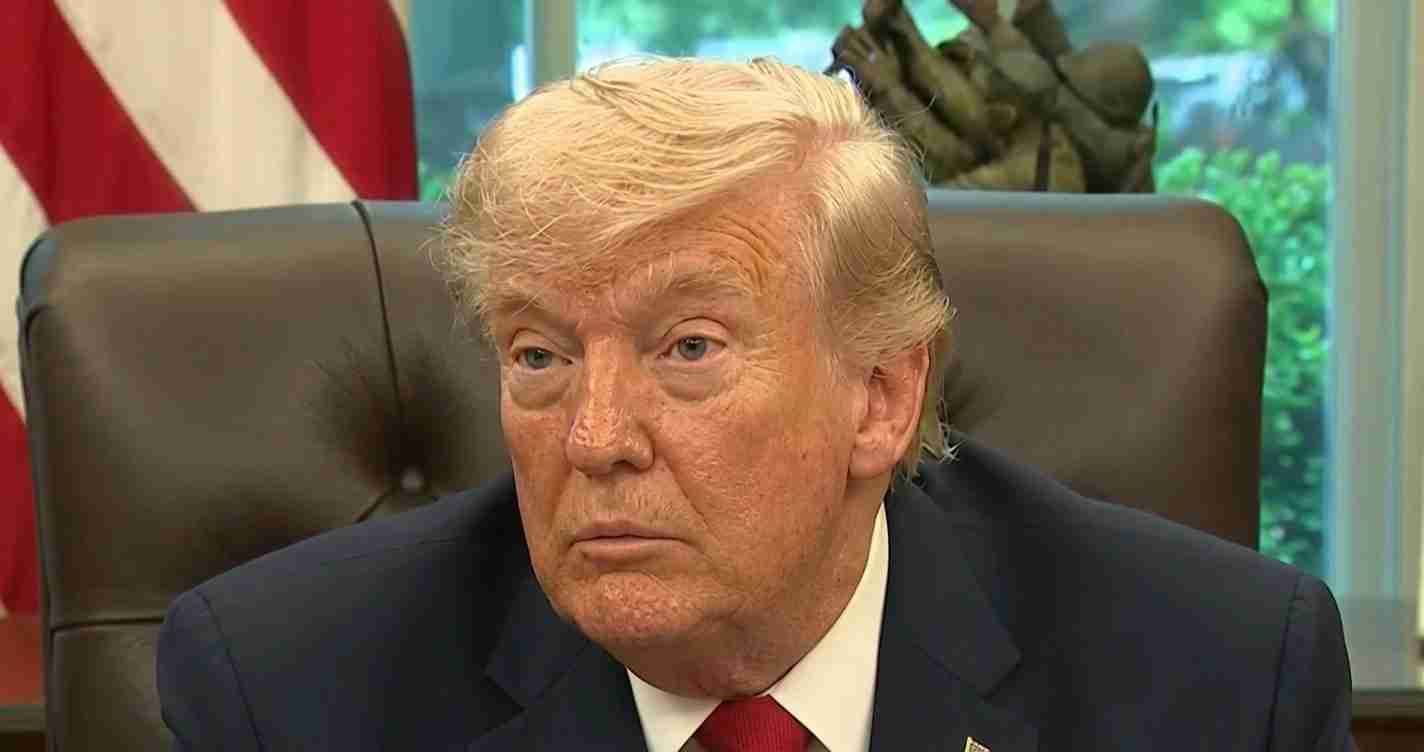
President Donald Trump announced a three-day ceasefire in the Russia-Ukraine war from May 9–11, coinciding with Victory Day, and brokered a reciprocal 1,000-for-1,000 prisoner swap confirmed by Ukrainian President Volodymyr Zelenskyy during a call with Vladimir Putin.
Key takeaways
- What: A three-day halt to kinetic operations and a reciprocal 1,000-for-1,000 prisoner exchange.
- When: May 9–11 (pause announced May 8, coinciding with Russia’s Victory Day).
- Who: Announced by Donald Trump; confirmed by Volodymyr Zelenskyy; Russia signaled a unilateral pause.
- Open issues: Enforcement, verification, secure corridors and third-party monitoring remain unresolved.
How the deal unfolded
Trump said the pause and prisoner exchange followed diplomatic engagement with both leaders. He wrote that the request was “made directly by me” and thanked Presidents Vladimir Putin and Volodymyr Zelenskyy for agreeing.
“made directly by me”
Zelenskyy posted on X that Ukraine received Russia’s agreement to a “1,000 for 1,000” swap within talks mediated by the United States and that Kyiv had instructed its team to prepare for the exchange. He also asked the U.S. to ensure Moscow abides by the agreement.
Reporting and video summaries of the announcement are available from Politico and a news clip on YouTube.
Verification and enforcement: open questions
Investigative scrutiny immediately focuses on enforcement and verification. Both Kyiv and Moscow have a documented history of mutual distrust and accusations of violating ceasefires. Past temporary pauses have quickly broken down amid mutual accusations of violations.
Ukrainian strikes inside Russia—often carried out by drones and long-range systems—have complicated past pauses. Russia’s unilateral pauses on ceremonial days have been both symbolic and tactical; questions remain about how each side will verify that combat operations are fully suspended.
Logistical and humanitarian hurdles include the safe movement of 2,000 people across active front lines, establishment of secure corridors, neutral monitors, and an acceptable chain of custody for both parties. Historically, such exchanges have involved third-party observers from international organizations or neutral states.
Statements from leaders and public messaging
- Donald Trump: Announced the ceasefire and swap on Truth Social, calling the pause a hopeful step toward ending the “very long, deadly, and hard-fought war.”
- Volodymyr Zelenskyy: Confirmed the “1,000 for 1,000” exchange and the May 9–11 ceasefire on X, thanked Trump for U.S. mediation, and urged guarantees that Russia will honor the agreement.
- Vladimir Putin / Russian Defense Ministry: Announced a unilateral pause tied to Victory Day, stating forces would stay on previously occupied lines; framed as commemorative and temporary.
Context and history behind the move
Victory Day on May 9 commemorates the Soviet defeat of Nazi Germany and remains one of Russia’s most important holidays. Since the 2022 invasion, Russia has adjusted ceremonies; this year Moscow opted for a lower-key event reportedly without heavy tanks or missiles on show.
The war has been a grinding conflict since Russia’s full-scale invasion in 2022. What Moscow anticipated as a rapid campaign has turned into a protracted, attritional fight. Multiple previous ceasefires—some brokered, some unilateral—have faltered, underscoring the fragility of the new pause.
What to watch next
- Verification teams: Whether the United States or other neutral parties will deploy monitors to front lines and handover sites.
- Movement corridors: How secure corridors will be agreed and whether the Red Cross or U.N. agencies will participate.
- Compliance: Immediate reports from front-line commanders, open-source intelligence, and independent journalists on whether kinetic activity stops.
- Follow-up diplomacy: Whether this pause leads to broader talks or confidence-building measures beyond Victory Day.
Sourcing and reporting
This report draws on presidential posts and public statements summarized in reporting by Politico and a news clip of the announcement on YouTube. Ukrainian presidential confirmations appeared on X; Russian statements were released through defense ministry channels as reported by international outlets.
Implications for California
Economic impact
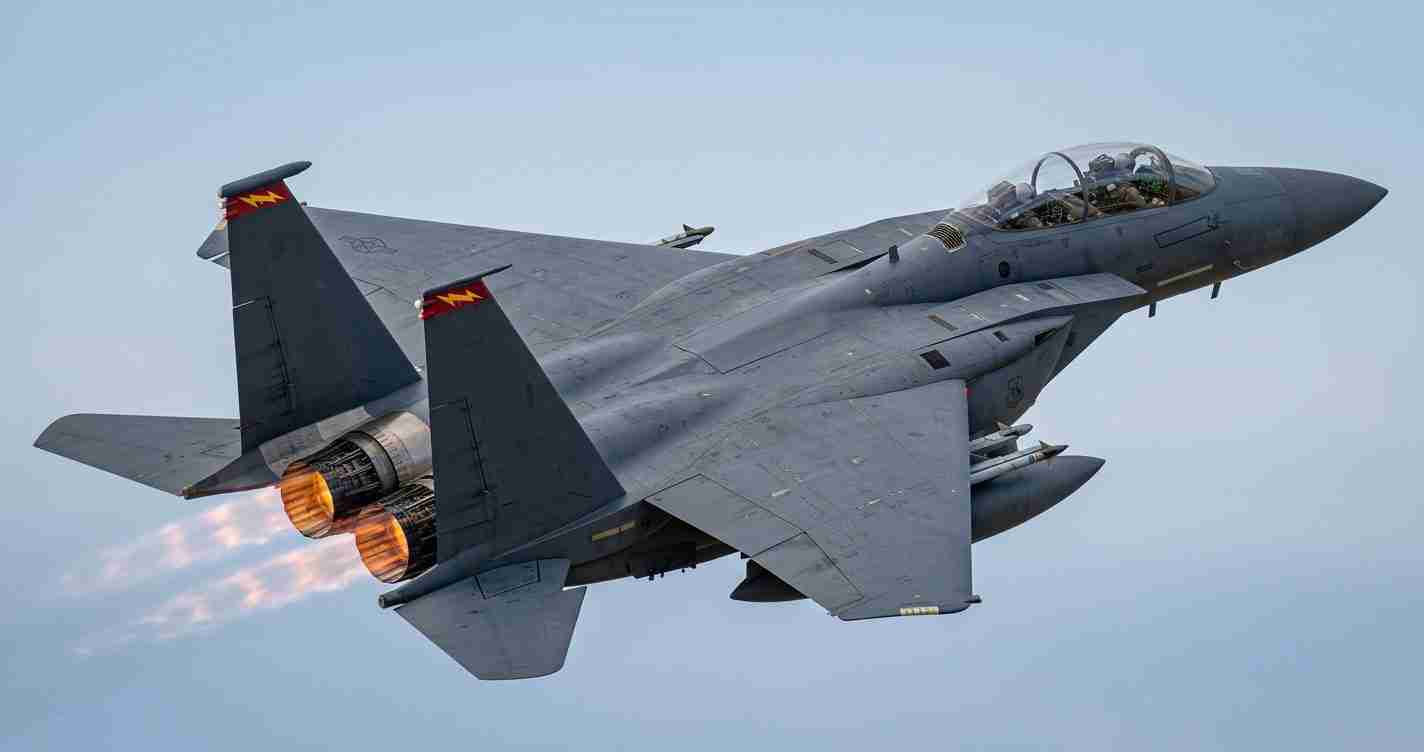
California hosts major defense firms and aerospace contractors supplying munitions, avionics and drone systems used in Ukraine. A credible, sustained truce could shift demand patterns; defense companies may see short-term adjustments in orders and longer-term procurement changes.
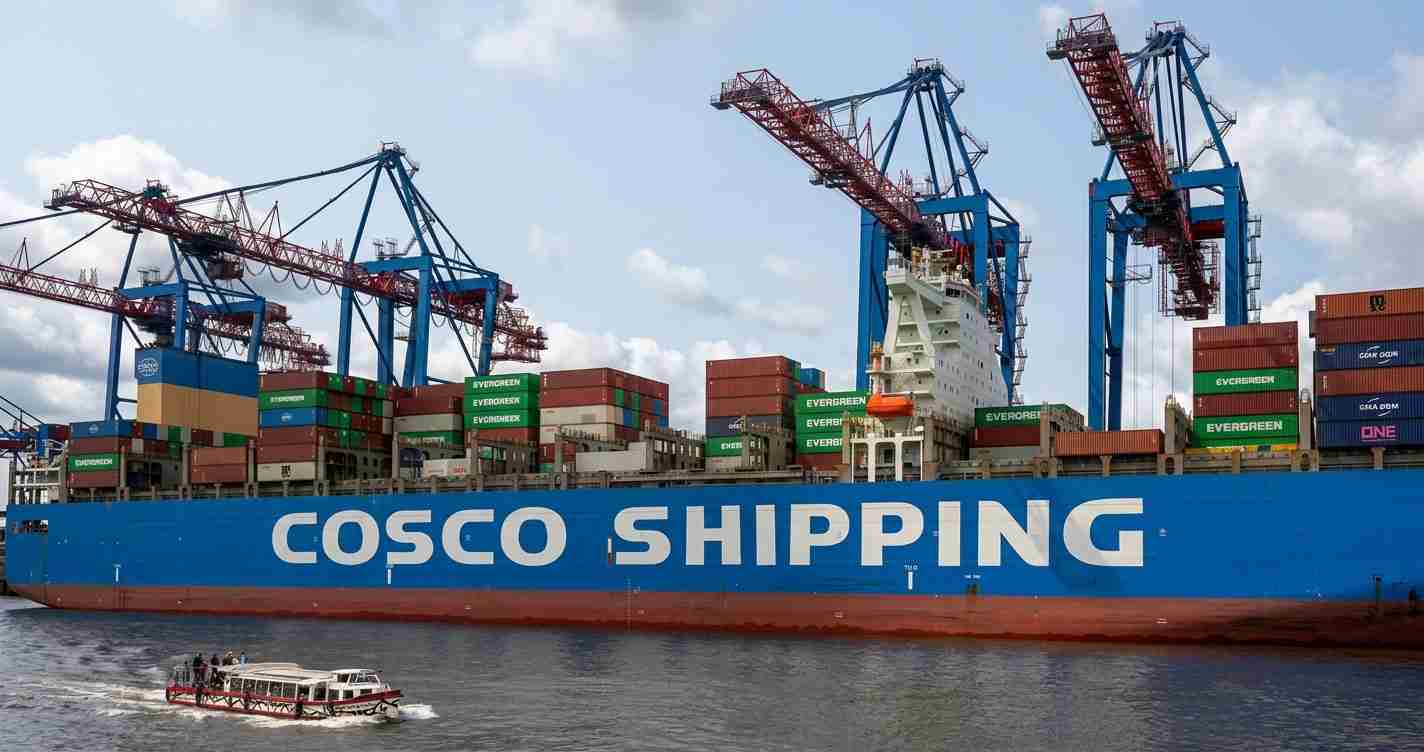
California ports are unlikely to face immediate disruption from a short truce, though sustained progress toward peace could ease shipping insurance rates and energy market volatility. A failed truce that escalates again would likely keep premiums and uncertainty elevated.
Political consequences
For many California voters, Trump’s role as mediator will be closely watched. Claims of brokering the swap may bolster his foreign-policy credibility among some; skeptics will watch for follow-through and U.S. enforcement actions.
California lawmakers who prioritize veterans, human rights, and international alliances may press for robust verification mechanisms and humanitarian safeguards, and Sacramento-based policymakers could demand oversight of any further U.S. involvement.
Social effects
California hosts sizeable Ukrainian and Russian communities. The Victory Day truce may prompt local commemorations and dialogues, and also raise tensions where opinions diverge. Local governments and law enforcement should prepare for public events and ensure safety at rallies or memorials.
Nonprofits and faith-based groups may need to coordinate for potential returns or releases of detainees and to manage renewed appeals for aid if the pause does not hold.
Cultural relevance
Veterans groups and military museums may see renewed interest in WWII remembrance alongside current events. The linkage of Victory Day to a modern ceasefire can revive debates about historical memory and contemporary geopolitics.
Local media will need balanced coverage that respects historical commemoration and the human cost of the present conflict.
Practical applications for residents
- Travel and consular services: Californians with family in Ukraine or Russia should monitor State Department and local consular advisories.
- Donations and aid: Verify channels for sending aid; prioritize established NGOs with transparent reporting.
- Community safety: Local authorities should prepare for protests or vigils and coordinate with community leaders to de-escalate tensions.
Reporting follow-up
Journalists and officials will closely track whether the “Victory Day truce” results in the claimed 1,000-for-1,000 prisoner exchange and whether kinetic operations actually cease. Verification from independent monitors and open-source intelligence will be key to assessing whether this 3-day pause is a durable confidence-building step or another short-lived break.
For live updates and primary source material, see the Politico briefing and the coverage summary on YouTube.