McDonald’s is quietly ending the era of self-serve soda fountains — and U.S. restaurants will pour drinks for customers by 2032
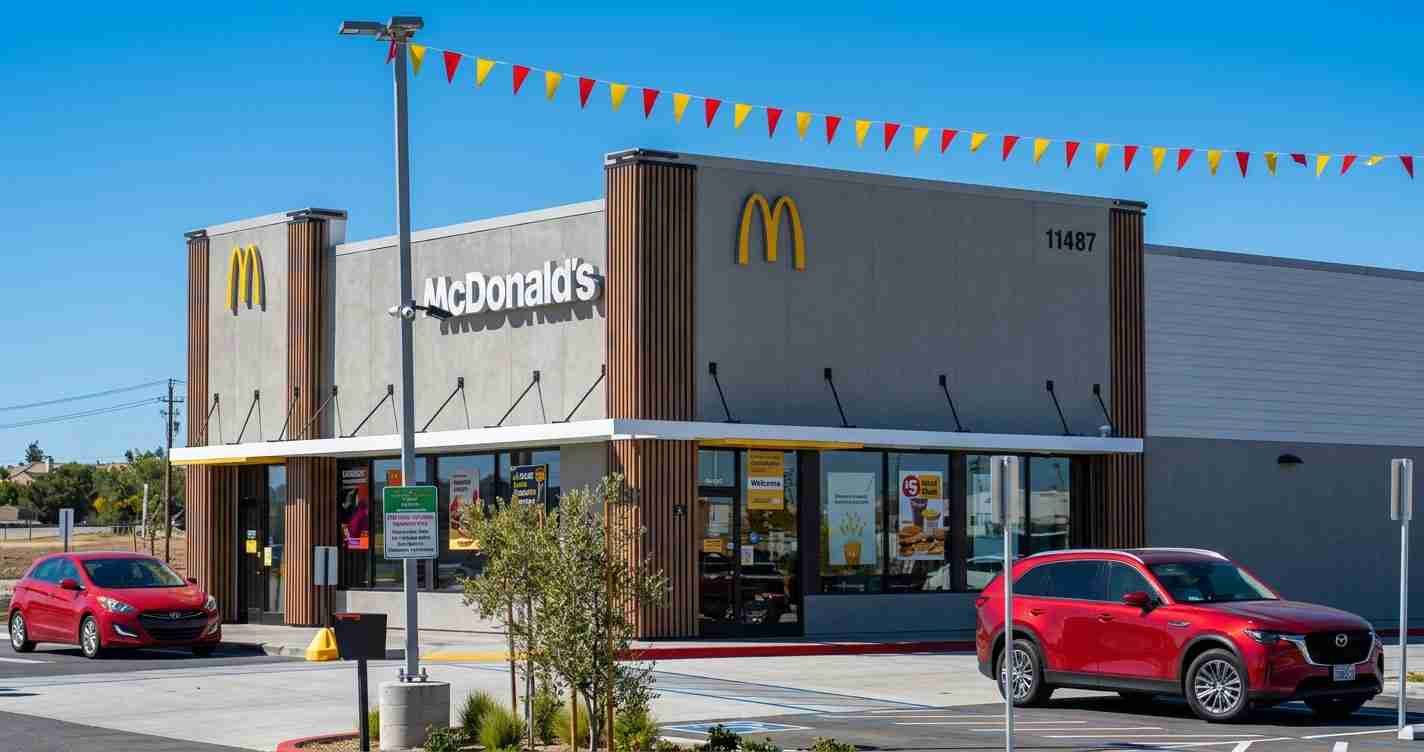
McDonald’s will remove all self-serve soda fountains from U.S. restaurants by 2032, replacing them with crew-served or automated drink systems to improve consistency, hygiene and operations — ending free refills and on-the-spot fountain mixing for dine-in customers.
Key takeaways
- Full phaseout by 2032: Self-serve soda fountains will be removed as restaurants remodel or pilot new systems.
- Service shift: Drinks will be prepared by crew members or automated filling machines, ending free self-serve refills and fountain mixing.
- Reasons: McDonald’s cites consistency across channels, hygiene, loss prevention, lower maintenance and adaptation to off-premise demand.
- Pilot tests: Some locations are testing automated beverage-fill systems; rollout timing will vary by remodel schedule and test results.
Key information
What’s changing: McDonald’s plans to remove self-serve soda fountains from U.S. dining rooms and shift to drinks prepared by crew or automated systems as stores are remodeled, with completion targeted by 2032. See reporting on the plan on YouTube and Fox Business.
Why it’s changing: The company points to a desire for consistency across ordering channels, improved hygiene, reduced maintenance and theft, and to better serve a business increasingly driven by takeout, delivery and drive-thru — as documented by Fox Business and company coverage on YouTube.
Customer impact: Self-serve refills and on-the-spot drink mixing at fountains will end. Customers will need to request refills from staff; some locations are testing automated filling systems to speed service and standardize portions (see testing notes on YouTube).
Timeline and rollout: The phaseout will be gradual over the next several years and tied to remodels and technology pilots; some restaurants already have removed fountains (coverage available via YouTube and Fox Business).
What McDonald’s says
McDonald’s described the change as part of a broader move to modernize its restaurants and deliver a consistent experience whether customers order through the app, kiosks, drive-thru, delivery or in-restaurant.
“Our fans’ love for McDonald’s beverages runs deep. Next month, we’re building on that passion with a new era of beverages, featuring a variety of Refreshers and crafted sodas rolling out nationwide,”
the company said while signaling the shift; the statement and company coverage appear on YouTube. McDonald’s added it will share more details about the expanded drinks lineup soon.
Why McDonald’s is phasing out self-serve fountains
Operational consistency
Pouring drinks behind the counter or using automated systems helps standardize portion sizes and service across order channels. That consistency matters as more customers use digital ordering, delivery and drive-thru lanes, where self-serve fountains play no role (Fox Business).
Hygiene and safety
Self-serve soda stations can draw complaints about spills, sticky tables and cleanliness. McDonald’s noted hygiene concerns as a reason to limit customer access to fountains, a point echoed in reporting on the change (YouTube).
Loss prevention and clutter
Removing stations can reduce theft opportunities tied to unsupervised refills and clear dining rooms of lines or clutter near beverage stations. The company also notes reduced maintenance demands for fountain machines as a cost-saving measure (Fox Business).
Technology and automation
Some McDonald’s restaurants have piloted automated beverage systems that mechanically fill drink orders, replacing manual self-serve models in tests. These pilots — reported in various markets — reflect the chain’s interest in automating repetitive tasks to speed service (Fox Business; YouTube).
How customers will experience the change
No more free self-serve refills: Longstanding habits — like walking to the fountain for a quick free refill or mixing flavors — will be curtailed. Instead, workers will hand out refills or a payment/portion policy will govern additional drinks; automated systems are being tested in some stores (YouTube).
Less on-the-spot customization: Customers who mixed beverages at fountains to create preferred tastes will be limited to what staff or machines prepare for them.
Speed for off-premise orders: For drive-thru, delivery or takeaway customers — a growing share of McDonald’s business — centralized drink preparation can speed assembly and reduce order errors (Fox Business).
A broader industry trend
The move away from customer-facing fountains fits a wider shift across quick-service chains toward digital ordering, automated kitchen work and drive-thru efficiency. Chains are prioritizing fewer in-store touchpoints, simpler layouts and higher order accuracy for delivery and takeout (YouTube; Fox Business).
Expanded beverage menus: At the same time, chains are launching new beverage items that can carry higher margins. McDonald’s plans include new Refreshers and crafted sodas — including takes on the “dirty soda” trend — that may replace low-margin fountain refills (YouTube).
Pilot projects and what to watch next
Industry watchers should monitor automated drink-fill pilots and performance in high-volume settings. Tests have used machines that fill cups automatically, cutting staff time and standardizing portions; whether systems scale nationally — and customer reaction — will shape future rollout speed (Fox Business; YouTube).
Because the phaseout is tied to remodel schedules, removals will be uneven: some communities will see fountains removed during renovations while others keep them until updates occur (YouTube).
Implications for California
Economic and operational effects
California, with many McDonald’s locations and a high share of delivery and drive-thru customers, could see operational savings from lower fountain maintenance and reduced dining-room cleaning — meaningful in a state with higher labor and overhead costs (Fox Business).
Labor and jobs
The change shifts some responsibilities: fountain maintenance and monitoring may decline, while staff may spend more time handling drink orders and refills. In California, higher wages and labor rules will factor into franchise decisions; automation pilots could reduce labor intensity over time (YouTube).
Customer experience and preferences
Californians who value convenience and novelty may notice the loss of self-refills and custom mixes; those who mainly use drive-thru or delivery may see little change. Messaging about cleanliness and consistent drink quality could influence local acceptance (YouTube).
Health, hygiene and public perception
Framing the change as a hygiene improvement may resonate in health-conscious California markets, positioning removal of fountains as a step toward cleaner dining rooms and fewer shared-touch points (YouTube).
Local franchisee considerations
Franchise owners will balance customer expectations with efficiency goals. Busy urban or tourist locations may invest earlier in automated systems; diners with strong fountain habits may prompt delays. Communication and policies on refills will shape local reactions (Fox Business).
Sources and reporting notes
This article draws on company statements and reporting about McDonald’s plan to remove self-serve soda fountains and pilot automated beverage systems. The timeline to complete the transition in U.S. dining rooms is set for 2032, with phased rollouts tied to remodels and testing.
- YouTube: coverage of McDonald’s plans and company statement
- Fox Business: reporting on reasons, pilot programs and industry context
- FOX6 Milwaukee: local reporting on the shift and customer experiences
The move marks a clear shift in the fast-food landscape: McDonald’s is betting that fewer in-store touchpoints, more consistent service and new, higher-margin beverages will better fit how Americans — including Californians — eat today as delivery and drive-thru dominate meal choices.