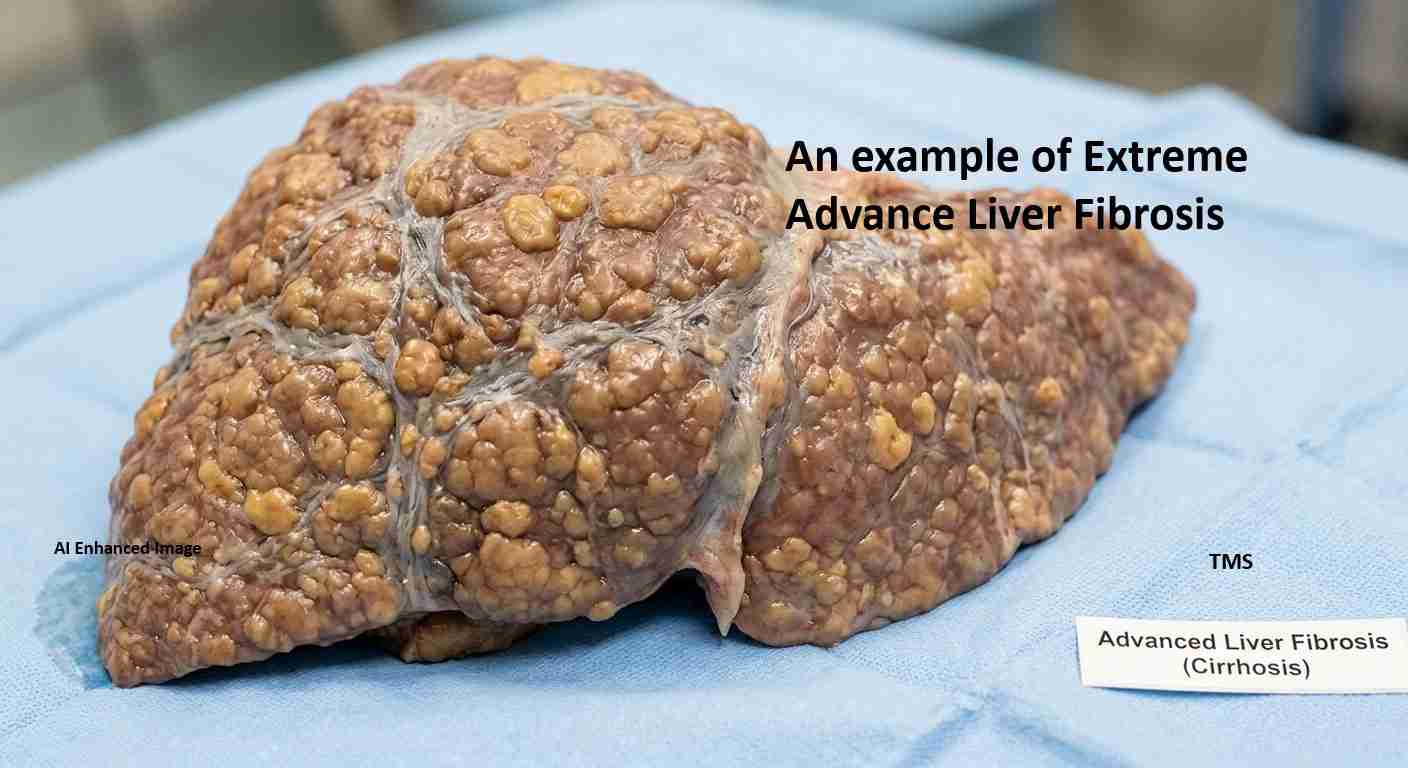
Even one monthly binge may triple advanced liver-fibrosis risk in people with fatty liver disease, USC study finds
A USC-led study finds that even occasional heavy drinking — as little as one binge per month — can nearly triple the odds of advanced liver fibrosis in people with metabolic dysfunction‑associated steatotic liver disease (MASLD), researchers report.
Key takeaways
- Episodic heavy drinking (≥4 drinks/day for women, ≥5 for men, at least monthly) is linked to ~3× higher odds of advanced fibrosis among people with MASLD — even when weekly totals are “moderate.”
- Analysis used >8,000 adults from the U.S. National Health and Nutrition Examination Survey (NHANES) 2017–2023 and is summarized in a Keck Medicine press release.
- More than half of surveyed adults reported at least occasional heavy drinking; ~16% of people with MASLD reported episodic heavy drinking.
- Mechanistic lab and animal studies support how binges trigger inflammation and scarring in fatty livers (see linked experimental literature).
Study details and findings
USC investigators led by hepatologist Dr. Brian P. Lee analyzed NHANES data (2017–2023) for >8,000 U.S. adults to compare drinking patterns rather than focusing solely on weekly alcohol totals. The team concentrated on metabolic dysfunction‑associated steatotic liver disease (MASLD), a common fatty-liver condition tied to obesity and metabolic disorders that affects an estimated 25%–30% of U.S. adults.
The study defined episodic heavy drinking as ≥1 day/month of four or more standard drinks for women, or five or more for men, even when average weekly alcohol remained within commonly cited “moderate” limits (≤7 drinks/week for women, ≤14 for men). Among people with MASLD, this pattern was associated with roughly three times higher odds of advanced liver fibrosis — the buildup of significant scar tissue marking advanced chronic liver disease. The analysis and press summary are available in the Keck Medicine press release and the study was published in Clinical Gastroenterology and Hepatology.
“This is a huge wake-up call,” said Dr. Lee, noting clinicians often focus on weekly averages but that pattern matters a great deal. Video summary
The analysis found the risk increased with the number of drinks per episodic session. Younger adults and men were more likely to report episodic heavy drinking. Sources and summaries: Keck Medicine press release, and a video overview.
Mechanisms of harm: Why episodic binges worsen MASLD
Experts explain that binge drinking causes abrupt spikes in liver inflammation that accelerate scarring, especially in fatty livers already stressed by excess fat, insulin resistance and other metabolic problems. This vulnerability helps explain why episodic heavy drinking can have outsized effects compared with the same total alcohol spread evenly.
Laboratory and animal studies show repeated binge sessions produce fatty-liver changes, heightened inflammation, large rises in liver and blood triglycerides, and activation of alcohol‑metabolizing enzymes that create toxic byproducts — findings summarized in an animal-reporting piece from UCSF. Additional experimental and review literature supports these mechanisms: see linked reviews and studies at PMC and PMC.
Limitations of the study
The USC analysis is observational and therefore can demonstrate association but not definitive causation. Researchers relied on self-reported alcohol use, which may undercount or misreport true consumption. The focus on people with MASLD means findings may not apply to all populations or to people without underlying metabolic liver disease. See the Keck Medicine press release for details.
Broad context and public‑health implications
These results add to growing evidence that binge drinking poses a specific liver risk beyond average consumption totals. Large epidemiologic reviews have long shown that heavy, sustained drinking sharply raises the risk of cirrhosis and liver failure; this study suggests that even sporadic heavy episodes are hazardous when fatty liver disease is present.
Clinicians treating liver disease emphasize that the pattern of drinking matters. Dr. Lee recommended that patients with MASLD should be advised to avoid episodic heavy drinking entirely. Sources: Keck Medicine, meta-analyses and experimental literature (PMC).
Implications for California
California carries a large share of the nation’s MASLD burden because of its population size and high obesity rates. Rising rates of advanced liver fibrosis would increase health‑care costs for hospitals and transplant centers statewide. Preventing episodic heavy drinking among people with MASLD could reduce costly complications and ease strain on public and private payers. See the Keck Medicine press release for local context.
Policymakers may respond by expanding prevention messaging that emphasizes drinking patterns, not only weekly limits, and by targeting addiction services, obesity prevention, and diabetes-care programs to educate about binge-risk among people with metabolic disease.
Practical applications for residents
Clinicians should ask patients not only about average alcohol consumption but specifically about episodes of heavy drinking. People with obesity, diabetes, high blood pressure or high cholesterol — common in MASLD — should be advised that even occasional binge drinking raises their risk of severe liver scarring.
Local patients can seek resources from liver specialists and public‑health programs; the American Liver Foundation offers information on liver fibrosis, prevention and support services.
Reporting and next steps
The USC findings build on experimental and population studies linking binge drinking to accelerated liver injury, but further research is needed to clarify causation and to tailor guidance for different patient groups. Clinicians and public‑health officials may use these results to update screening, counseling and prevention campaigns that emphasize avoiding episodic heavy drinking — particularly for people with MASLD.
Primary sources and further reading: Keck Medicine press release, NHANES (CDC NHANES), UCSF animal-summary (UCSF), and experimental reviews (PMC, PMC).