Route 66 Centennial 2026: How America’s “Mother Road” Is Poised for a Year of Travel, Festivals and RV Road Trips
In 2026, Route 66 — America’s iconic “Mother Road” — marks its 100th anniversary, with year-long events across eight states from Chicago to Santa Monica, offering festivals, vintage car rallies and RV-friendly road‑trip experiences for travelers.
Key takeaways
- Centennial year: Route 66 was formally commissioned on November 11, 1926; 2026 brings coordinated events nationwide via the Route 66 Centennial Commission.
- Wide-ranging events: Opening ceremonies, vintage car rallies, sign relightings and local festivals are scheduled across multiple states — check the official centennial calendar.
- RV-friendly travel: Renting an RV makes remote alignments and small towns accessible; plan one-way logistics if you cross the full 2,448 miles.
Route 66 basics: what changed on November 11, 1926
The number assigned — U.S. Route 66 — was set in April 1926, and on November 11, 1926 the route was formally commissioned. The road became a physical and cultural link between the Midwest and the West Coast, stretching 2,448 miles from Grant Park in Chicago to the Santa Monica Pier in California and carrying families, migrants and goods across eight states: Illinois, Missouri, Kansas, Oklahoma, Texas, New Mexico, Arizona and California.
Although the federal designation was removed in 1985, much of the highway remains preserved as Historic Route 66 under state and local management; communities and private organizations continue restoration and stewardship efforts (see the Route 66 Centennial Commission for coordination details).
Why the centennial matters
More than nostalgia: the centennial is a catalyst for economic activity in small towns, a focal point for preservation projects and a chance to reframe Route 66’s place in American travel culture. In 2020, Congress authorized a Route 66 Centennial Commission to coordinate commemoration efforts, signaling federal recognition of the road’s cultural importance (details at the Route 66 Centennial 2026 overview).
“The centennial will concentrate attention on restoration projects, business promotions and a yearlong calendar of community celebrations.” — Route 66 preservation groups
Major Route 66 Centennial events to watch
Organizers and local chambers are staging hundreds of activities in 2026. Highlights already listed by state include:
- Illinois: Opening ceremonies in Joliet on April 30, 2026, the multi‑day Route 66 Centennial Great Race from Illinois to California, and the International Route 66 Mother Road Festival in Springfield (see an event roundup).
- Arizona: A dense slate March–November including Topock66 car shows, Peach Springs centennial events, historic neon sign relighting in Bristow, Kingman races, statewide Bike Week and more (see the Arizona centennial schedule and the official calendar).
- Texas: A statewide Texas Route 66 Festival in Amarillo running June 4–13, 2026 with exhibitions, concerts and parades (coverage at AuthentikUSA).
- California: A Route 66 Cruisin’ Car Show in Amboy in March; opening activities in Santa Monica on April 30, 2026; the Pasadena Chalk Festival in June; and a Cruisin’ Reunion in Ontario in September (see event roundups).
How long does Route 66 take — and how to break it into segments
Most travelers allot two to three weeks for the full coast‑to‑coast drive, allowing time for detours, museums and roadside attractions. The route also divides naturally into state segments, making one‑ or two‑week trips practical. Popular shorter options include the Arizona‑New Mexico loop or a California finish from the desert to the Pacific (planning resources: Route 66 Centennial resources).
When to go in 2026
Best seasons: Spring (April–May) and fall (September–October) are the sweet spots for balanced weather and smaller crowds. Summer is viable for families but expect high heat in Texas and Arizona; winter travel is possible but services in rural towns can be limited. Expect larger crowds near the November 11, 2026 anniversary and around major festivals in spring–fall (see Route 66 Centennial 2026 and event coverage).
Why an RV changes the Route 66 experience
Freedom on the road: Many Route 66 towns lack chain hotels — an RV provides lodging, food prep and storage while enabling travel along original alignments and remote stops. Campgrounds and RV parks line much of the corridor, from full‑service resorts to simple pullouts near classic motels and diners (see trip resources).
Tip: If you don’t own an RV, short‑term rentals make one-way or segment trips feasible with minimal logistics.
Planning tips and practical checks before you go
- Map old alignments carefully: GPS often routes to modern highways — carry printed maps or use Route 66 apps to follow historic segments (official resources).
- Allow time: Rushing removes the value of side trips, diners, small museums and neon signs.
- Reserve early: Popular towns will book fast for centennial weekends and major events (see the Route 66 Centennial 2026 overview).
- Respect local rules: Check fuel range, campground availability and trash policies before stopping.
- Plan for heat: Carry extra water and schedule shorter driving days across desert sections.
Sources and further reading
- Route 66 Centennial 2026 overview
- Route 66 Centennial Commission and official centennial calendar
- State and event listings, including Arizona centennial schedule
- Event roundups and state festival dates
- Illinois state information on Route 66 celebration recognition
Implications for California
Economic impact: The centennial will draw travelers to California’s eastern and inland communities as well as to the coastal terminus at Santa Monica. Local businesses — diners, vintage motels, gas stations and craft vendors — stand to benefit from increased visitor spending during centennial events. Festivals in Amboy, Santa Monica and the Inland Empire are likely to attract day‑trippers and multi‑day visitors who will spend on food, fuel, lodging and retail (see coverage).
Political and planning consequences
Transportation and tourism agencies should expect higher seasonal traffic on roads leading to Route 66 attractions and increased demand for visitor services. Local governments may coordinate with state tourism offices and Route 66 organizers to manage crowds, public safety and preservation funding. Events around April 30 (Santa Monica opening) and spring‑through‑fall festivals will require permits, emergency planning and parking strategies (see event notes).
Social effects
For Californians, the centennial offers a renewed look at a shared cultural icon connecting the state to migration, business and automobile culture. The celebration can boost civic pride, volunteer opportunities and vendor activity — especially in smaller desert towns where centennial crowds can provide meaningful social and economic lifts.
Cultural relevance
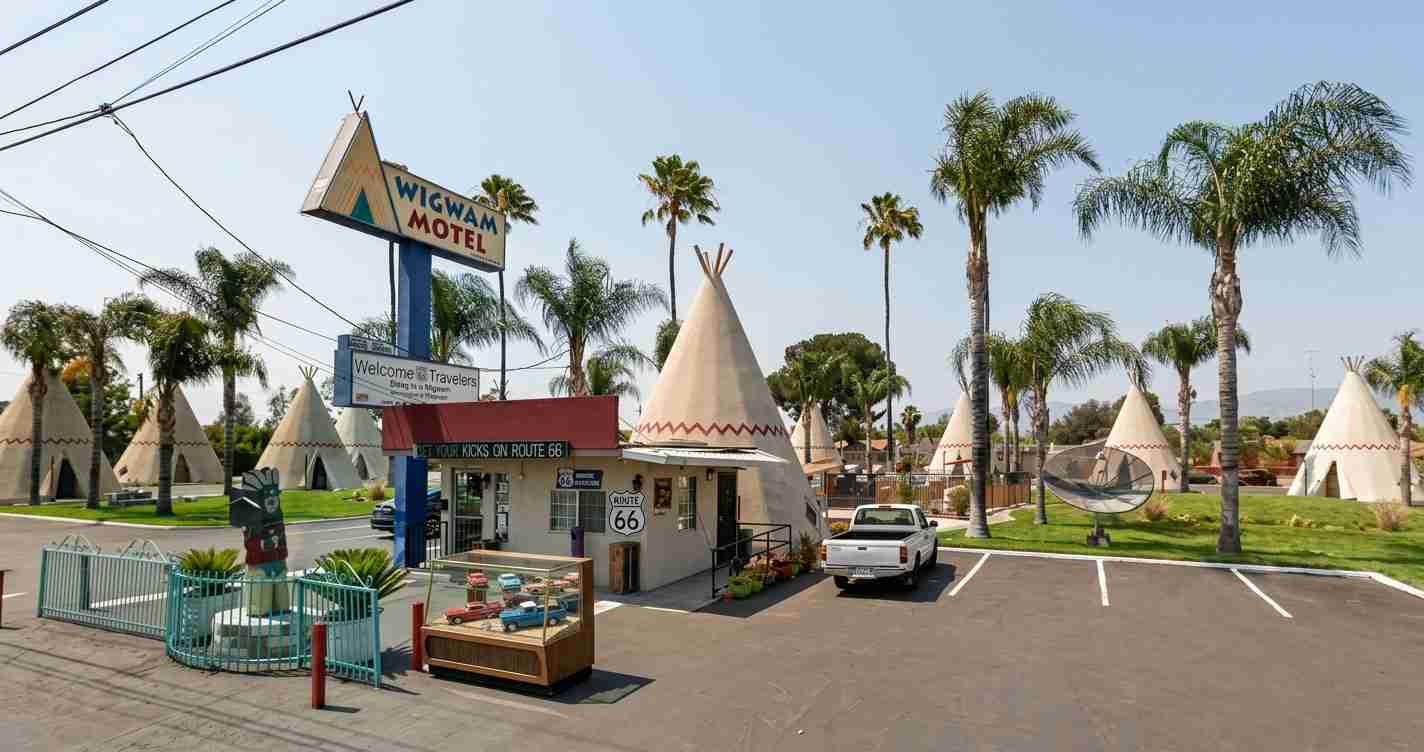
Finish line significance: Santa Monica’s terminus makes California the symbolic endpoint of Route 66’s story. Centennial programming — parades, car shows, chalk festivals and sign relighting events — will highlight neon, classic cars and roadside architecture that define mid‑century American travel. For community members focused on heritage and small‑business revitalization, these events offer ways to support local entrepreneurship and preservation (see regional listings).
Practical applications for California travelers
- Consider a one‑way RV rental if you plan to start in Chicago and end at Santa Monica, or pick up a rig near your preferred California start point (resources: centennial planning).
- Plan to visit Santa Monica’s April 30, 2026 opening activities; expect media coverage and larger crowds.
- Book RV parks and hotels early for summer and centennial weekends, especially in Amboy, Barstow and other desert gateway towns.
- Use the centennial to explore lesser‑known California attractions — roadside museums, restored neon signs and family‑run diners — supporting small businesses that preserve Route 66 history.
Final note: Whether you take a short Southern California segment or drive the full Mother Road to the Pacific, the centennial promises a once‑in‑a‑century series of festivals, restorations and community events that put the spotlight back on an American icon and the towns that keep it alive.