Chinese‑linked container ships abruptly turned back at Strait of Hormuz, exposing cracks in Tehran‑Beijing assurances
Three Chinese‑linked vessels, including two state‑run Cosco container ships, were forced to reverse course off Larak Island in the Strait of Hormuz on March 27, 2026, after Iran’s IRGC intercepted them despite prior assurances of safe passage.
Key takeaways
- Three container ships — CSCL Indian Ocean, CSCL Arctic Ocean and Lotus Rising — executed sudden U‑turns near Larak Island on March 27, according to maritime trackers and regional reporting.
- Iran enforced new corridor rules, warning vessels and forcing them back from a licensed “safe corridor” between Larak and Qeshm islands despite earlier diplomatic assurances.
- Operational gap with Beijing: the episode highlights how IRGC on‑the‑water enforcement can override diplomatic promises from Tehran or Beijing.
- Wider disruption risk: enforcement uncertainty threatens container schedules, insurance costs and energy markets that depend on the Strait of Hormuz chokepoint.
What happened
Early on March 27, vessel tracking data show the CSCL Indian Ocean and CSCL Arctic Ocean reversed course near Larak Island at approximately 03:20 GMT and 03:50 GMT, respectively. The Hong Kong‑owned container ship Lotus Rising also executed a nearby U‑turn, according to maritime trackers and regional reporting. Sources tracking the movements include China Global South and reporting amplified by The Star.
Iran’s Islamic Revolutionary Guard Corps (IRGC) framed the maneuver as enforcement of recently declared restrictions. An IRGC‑affiliated outlet, Nour News, said the IRGC Navy warned and forced the vessels back after they approached the licensed corridor, stating that voyages to or from ports in countries Tehran labels allied with the United States and Israel are prohibited through any corridor.
Who the ships were and why this matters
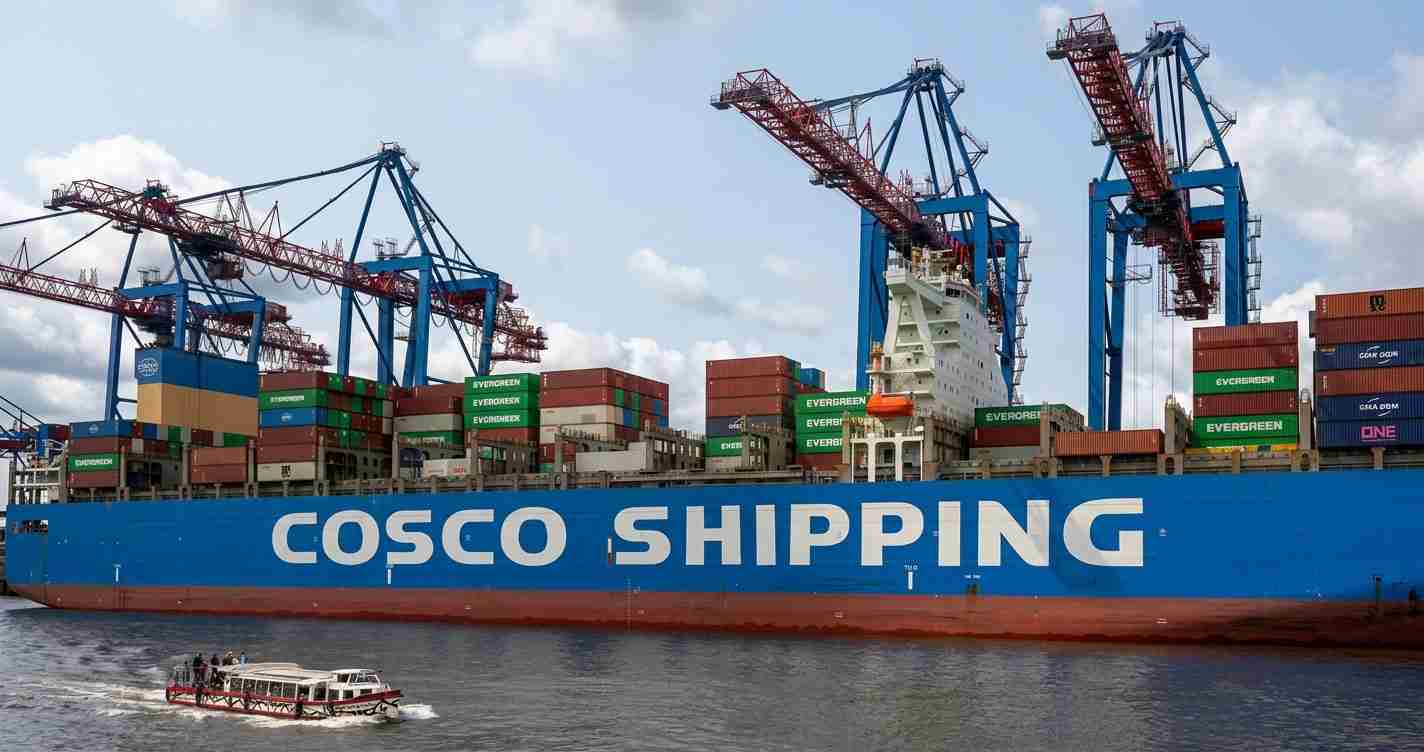
The CSCL Indian Ocean and CSCL Arctic Ocean are major container vessels operated by state‑run Cosco Shipping. Tracking and trade reports show recent calls at Gulf ports such as Jebel Ali, Khalifa Port and Dammam — stops Tehran flagged as potentially disqualifying under the new rules. Maritime analysts pointed to those prior port calls and possible missing IRGC paperwork as reasons for rejection.
Precautionary signaling by the Cosco ships — broadcasting AIS messages that identified Chinese ownership and crew — aimed to demonstrate friendly ties and secure passage. Reuters coverage noted those broadcasts, but Iranian enforcement at sea apparently judged them insufficient, illustrating how local checkpoints can override broader diplomatic assurances.
Iran’s new enforcement posture
Since the late‑February flare‑up, the IRGC has acted as a de facto regulator of traffic through the narrow passage — often described as Iran’s “toll booth” for the Strait of Hormuz, a chokepoint carrying roughly 20% of global oil flows. Tehran has publicly offered exemptions and “safe passage” to states such as China, Russia and India, but the March 27 turnbacks raise questions about how exemptions are applied at sea.
“Sailing to or from ports in countries considered allied with the United States and Israel is prohibited through any corridor,” — IRGC‑affiliated reporting summarized by regional outlets.
Diplomatic friction between Tehran and Beijing?
Beijing has publicly sought to protect commercial ties and has urged Iran for assurances of safe passage. The incident exposes a disconnect between diplomatic statements and on‑the‑water enforcement, suggesting operational limits to Tehran‑Beijing coordination — an operational problem rather than necessarily a bilateral rupture, according to analysts.
Video and monitoring sources documenting AIS movements and IRGC statements were cited in regional analysis; examples include video coverage available on YouTube and supplementary footage at YouTube.
Economic and supply‑chain consequences
The episode occurs amid disruptions that have already strained container logistics: backups and port slowdowns have stranded containers bound for East Asia, slowing factories and pushing up shipping rates. Instability in the Strait of Hormuz quickly ripples into oil and commodity markets; earlier clashes since Feb. 28 triggered price spikes and supply concerns.
Maritime businesses, insurers and freight forwarders are monitoring enforcement actions. Carriers that reopened Gulf bookings on March 25 have proceeded cautiously: Cosco reportedly resumed bookings but had suspended sailings earlier amid rising risk. The uncertainty around IRGC authorization and discretionary enforcement increases costs and risk premiums for shipping lines and shippers.
Why the ships may have turned back
- Absent or non‑conforming paperwork or IRGC authorization.
- Prior calls at ports Tehran views as allied to the U.S. and Israel, which may disqualify vessels.
- On‑the‑spot security judgments by IRGC naval units enforcing a strict corridor regime.
- Preference for smaller or differently classified vessels where military signaling is prioritized over commercial calculation.
Implications for California
Economic exposure: Southern California exporters and manufacturers could see downstream effects if Gulf disruptions drive shipping delays or reroutes, increasing insurance and freight charges.
Energy and prices: Any sustained instability that tightens oil supply can raise fuel and transportation costs, affecting California families and businesses.
Supply‑chain resilience: Tech and consumer‑goods sectors may need diversified sourcing, more inventory resilience, and expanded warehousing to reduce reliance on chokepoints.
Security and diplomacy: The event highlights geopolitical risk for a state with deep ties to both China and the Middle East; local leaders may need to coordinate with federal partners on trade security and contingency planning.
Shipping oversight: Repeated unpredictable enforcement could push carriers to reroute via the Cape of Good Hope, lengthening transit times and stressing ports such as Los Angeles and Long Beach.
Sources and monitoring
Reporting for this piece relied on maritime tracking reports, regional media summaries and video documentation, including:
- China Global South report on the March 27 turnbacks
- The Star regional reporting summarizing IRGC statements
- YouTube video with AIS captures
- Supplementary YouTube footage and analysis
- Times of India video coverage of the incident
- Vessel‑movement monitoring sources cited by regional outlets: MarineTraffic and reporting summarized by research groups including the Foundation for Defense of Democracies (FDD).
As shipping firms, governments and insurers parse the March 27 incident, this episode illustrates how quickly local enforcement at a narrow sea chokepoint can override broader diplomatic understandings — with concrete costs for trade, energy markets and the businesses and families that depend on them.