Chevron warns California could face fuel shortages and refinery exits within a decade amid climate rules, Iran war disruptions
Chevron President Andy Walz warned California could face severe fuel shortages and refinery exits within ten years, blaming state climate rules and Iran war disruptions, and urged Governor Gavin Newsom to change policy to avoid major economic and security risks.
- Chevron warns stricter state rules and Iran war-related Asian refinery slowdowns could force the company out of California’s refining business within 10 years (Insurance Journal).
- Company asks state leaders to scrap refinery taxes and rethink Cap-and-Invest changes that reduce allowances and raise costs (Fox Business, MarketRealist).
- Risked impacts include higher pump prices (about $1/gal by 2030), large job losses, $64 billion in tax revenue at stake, and threats to military fuel supplies (Insurance Journal, Fox Business).
Background: what Chevron says and why it matters
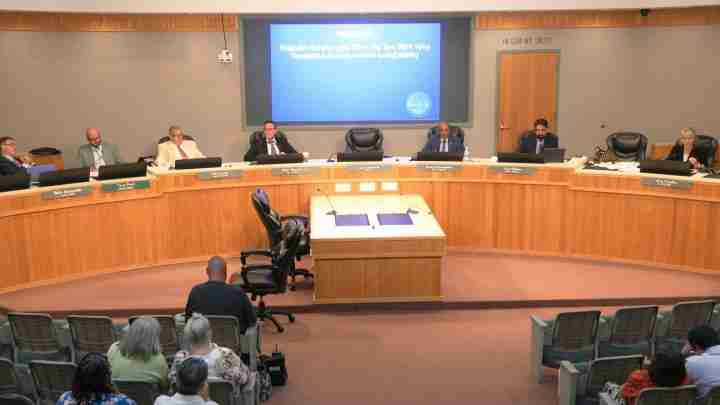
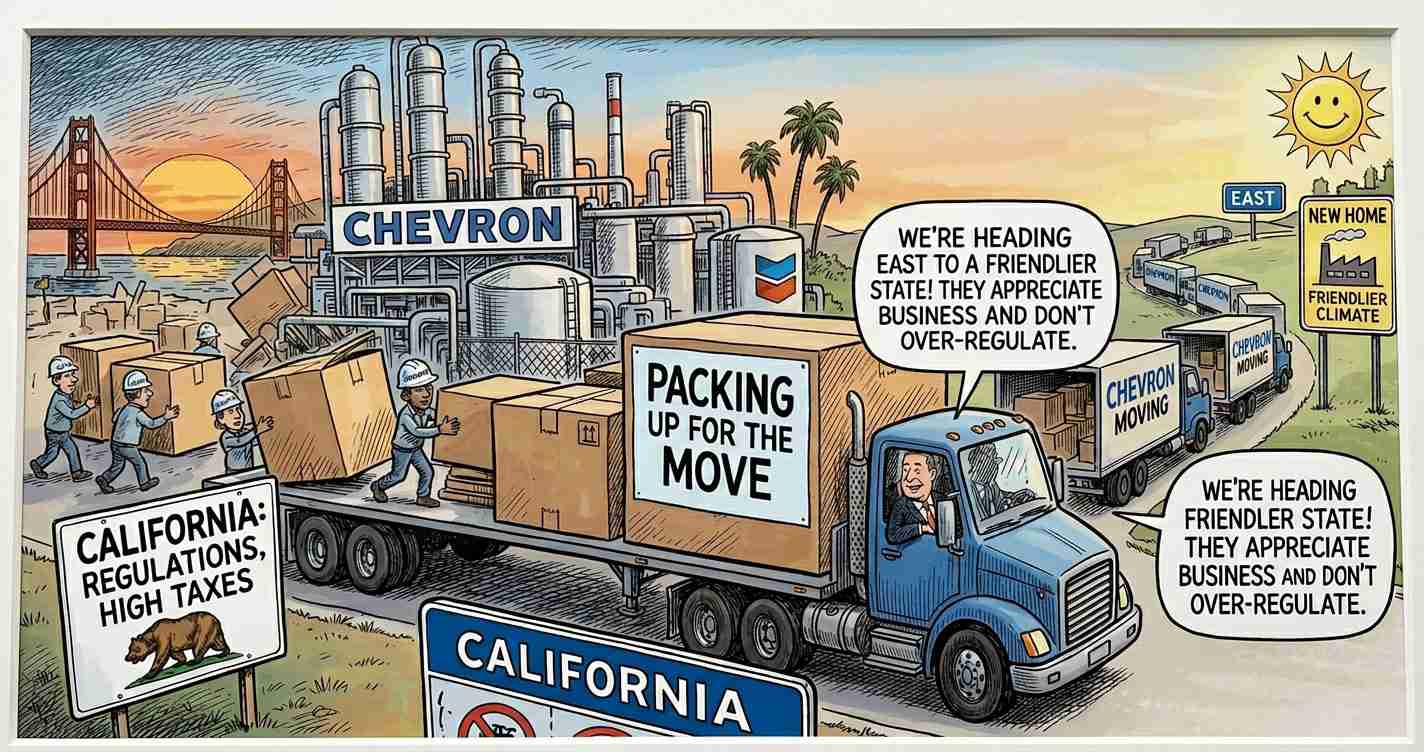
Chevron President Andy Walz has been blunt in a letter to Governor Gavin Newsom and in interviews, arguing proposed tightening of California’s Cap-and-Invest program and other rules will raise refinery costs and push some plants to close. Walz wrote that, “If it stays that way Chevron will be gone in 10 years for sure. We won’t be able to make it,” urging state leaders to declare an energy emergency and change course (Insurance Journal; Fox Business).
Iran war disruptions and supply shocks
Walz pointed to disruptions tied to the Iran war: several Asian refineries that supply California are cutting processing, which reduces exports of jet fuel and gasoline to the West Coast as world oil prices rise. Chevron officials say this creates a supply shock layered on top of state rules that raise operating costs (Insurance Journal; interview appearances YouTube).
Regulatory pressure and Cap-and-Invest changes
California’s Cap-and-Invest program aims to tighten carbon allowances to reduce emissions. New rules would remove millions of allowances from the market, pushing toward steeper cuts by 2045. Chevron warns these tighter caps and new California Air Resources Board rules could add hundreds of millions in compliance costs — market estimates cited by the company suggest up to $500 million over five years for refiners (Insurance Journal; Fox Business; MarketRealist).
Chevron argues higher compliance costs will be passed to consumers and accelerate refinery exits, shrinking local supply and creating greater price volatility. The company also criticized refinery taxes and other local policies that it says erode the industry base supporting jobs and security (Fox Business; Insurance Journal).
Supply chain and infrastructure risks
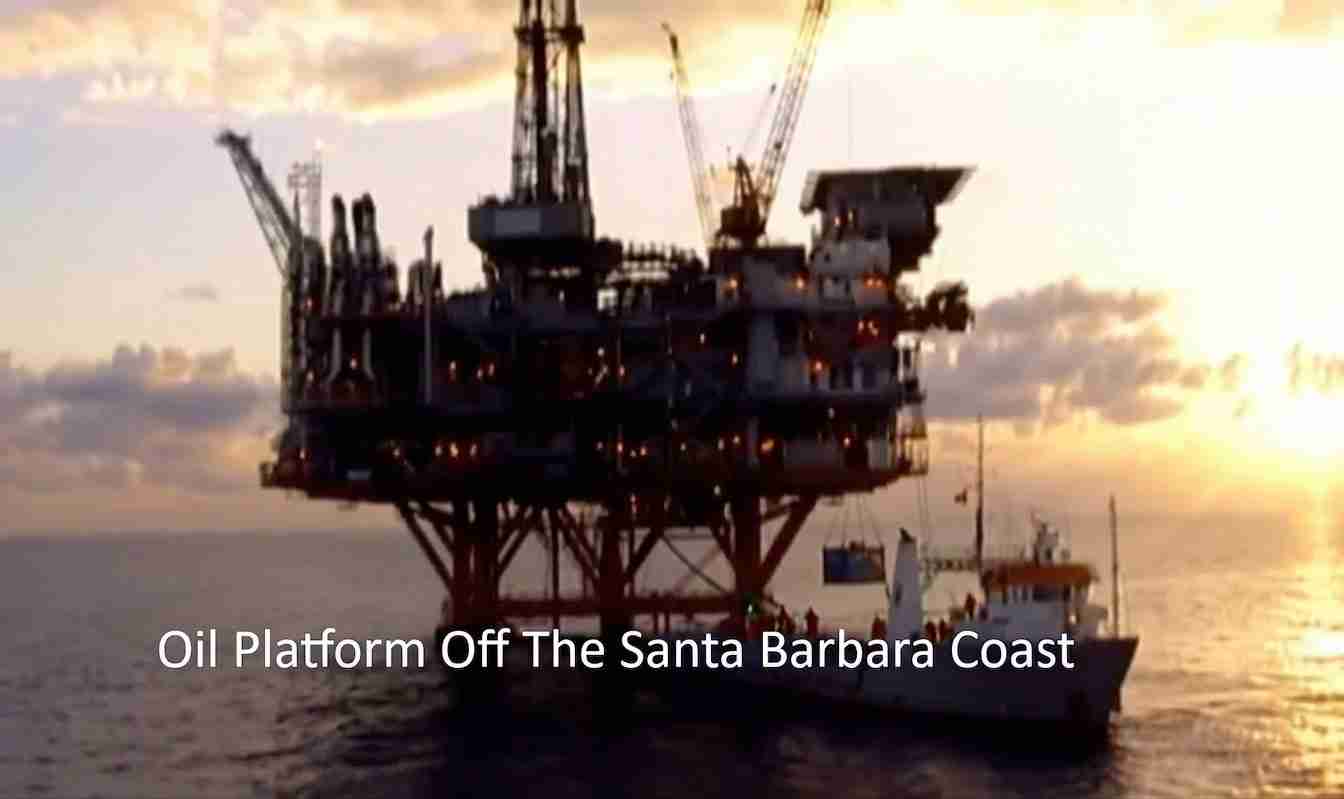
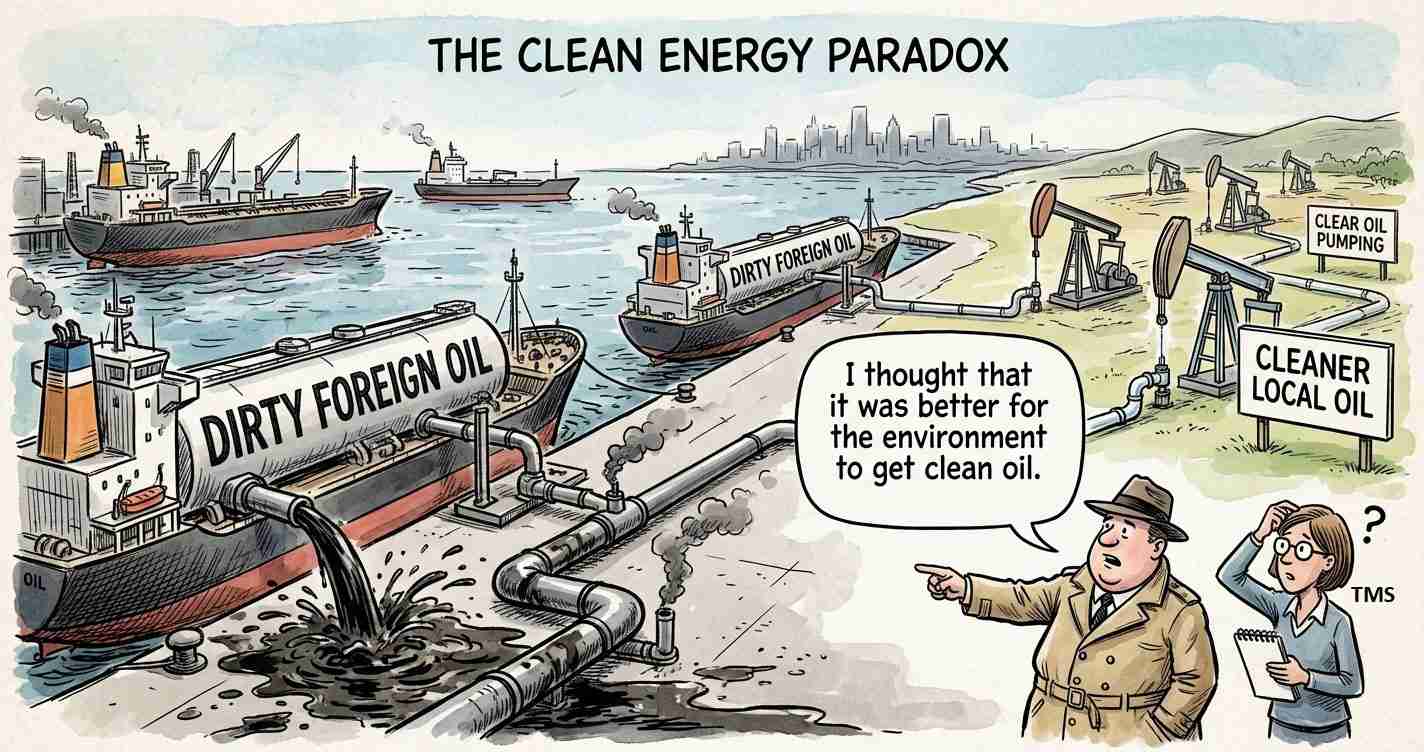
California is an “energy island”, geographically isolated from much of the U.S. pipeline network and heavily reliant on in-state refineries. State data cited by industry groups show over 90% of gasoline used in California is refined in-state, making rapid import substitution difficult when local refineries go offline (Insurance Journal).
Chevron operates two of the state’s largest refineries; state data cited by industry groups indicate those facilities account for about 34% of California’s refining capacity. A reduction or exit by Chevron could sharply shrink spare capacity and create shortages and price spikes (Insurance Journal; MarketRealist).
Economic and security stakes
Chevron’s projections include: a potential pump-price increase of roughly $1 per gallon by 2030 on top of already-high averages (current state averages near $5/gal), the possibility of roughly 536,770 jobs at risk, and $64 billion in state tax revenue jeopardized if refining capacity falls. The company also warned that fuel shortfalls would affect military readiness at bases dependent on California refineries (Insurance Journal; Fox Business; MarketRealist).
State response and broader debate
As of reporting, there is no direct official state response included in the available coverage to Walz’s letter and interviews. Supporters of strict climate policies say they are necessary for long-term goals and pollution reduction. Critics, including Chevron, say rules are outpacing practical transition plans and urge balance between environmental aims and near-term energy security (Insurance Journal; Fox Business; MarketRealist).
Implications for California
Economic impact
A projected $1/gal increase would strain household budgets and raise costs for trucking, agriculture, and logistics. Loss of refining jobs could reduce payrolls and lower state tax revenue, amplifying local economic strain (Insurance Journal; Fox Business).
Political consequences
The dispute pressures state leaders to weigh climate goals against near-term energy stability. Walz’s claims may drive calls for clearer transition timelines, tax relief or contingency planning, hearings, or independent impact studies (Insurance Journal; MarketRealist).
Social effects
Fuel price spikes typically hit lower- and middle-income households hardest, raising costs of goods and transportation. Communities near refineries could suffer job losses and secondary economic impacts if plants scale back or close (Insurance Journal; Fox Business).
Cultural relevance
California voters have long backed aggressive climate policy. Walz’s warnings frame a public choice between rapid decarbonization and short-term reliability, potentially shifting debate toward policies that preserve jobs and supply while pursuing emissions reductions (MarketRealist; Insurance Journal).
Practical applications for residents
Consumers should prepare for possible price volatility. Officials might consider measures such as strategic fuel reserves, streamlined permitting for resilience investments, temporary tax relief for critical infrastructure, or targeted worker support. Tracking local fuel inventories and budgeting for price increases can help households manage risk (Insurance Journal; Fox Business).
Reporting notes and sources
This article draws on statements by Chevron President Andy Walz, his letter to Governor Newsom, and company commentary in recent interviews. Sources used include:
- Insurance Journal — https://www.insurancejournal.com/news/west/2026/03/25/863370.htm
- Fox Business — https://www.foxbusiness.com/energy/chevron-warns-newsoms-adversarial-energy-agenda-cripple-california-economy-send-gas-prices-soaring
- MarketRealist — https://marketrealist.com/chevron-president-andy-walz-says-californias-climate-policy-will-wreak-havoc-on-energy-security/
- YouTube interview clip — https://www.youtube.com/watch?v=XUUB0_0cj-Y
Parent Publication: Times Media Service