Fast‑tracked politics, big money and a late reversal: How Diablo Canyon’s life was extended to 2030
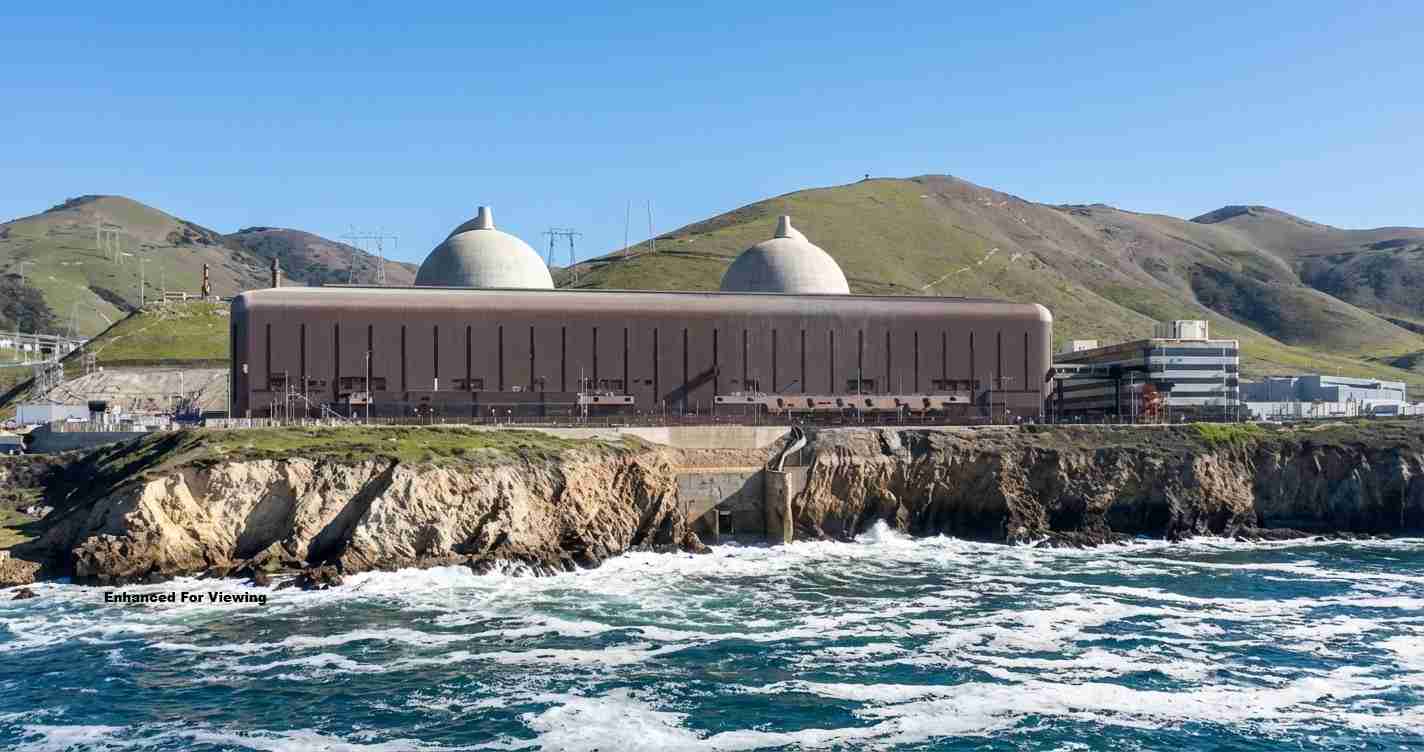
California’s last nuclear plant, Diablo Canyon, will operate through 2030 after Governor Gavin Newsom backed SB 846 — reversing a planned 2025 closure to bolster grid reliability and decarbonization amid rising demand and intense political and industry pressure.
Key takeaways
- SB 846 authorized Diablo Canyon units to run to 2029 (Unit 1) and 2030 (Unit 2), subject to further approvals, and included state loans and planning exceptions for reliability (bill details and analysis).
- Supporters argue Diablo supplies roughly 10% of California’s electricity and is needed to avoid blackouts while renewables and storage scale up (SF Chronicle).
- Opponents say the extension was rushed, risks slowing clean‑energy procurement and raises safety and waste concerns (IJPR).
Original shutdown deal (2016)
In 2016, Pacific Gas & Electric reached a public agreement with environmental and labor groups to close Diablo Canyon’s two reactors by August 2025. Then–Lt. Gov. Gavin Newsom supported the deal, saying the aging plant could be replaced by solar, wind and storage as the state decarbonized (SF Chronicle).
Why Newsom reversed course and how SB 846 moved fast
By 2021–2022 California faced new pressures: extreme heat events, delays in key clean‑energy projects and the retirement of other generation that supported the grid. Governor Newsom argued keeping Diablo online was necessary to avoid blackouts and maintain low carbon emissions while renewables and long‑duration storage scale up (SF Chronicle).
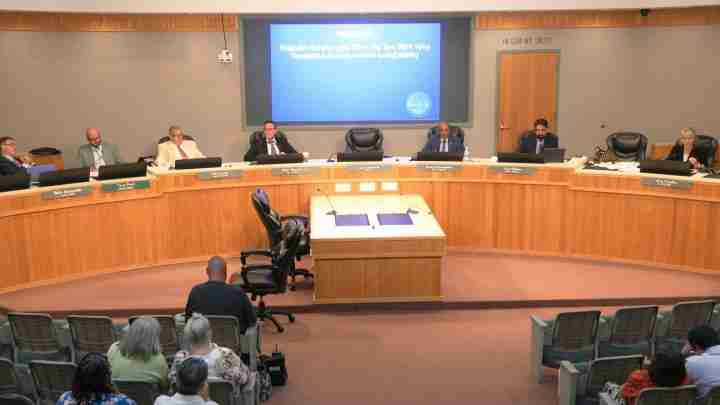
In late summer 2022 lawmakers passed SB 846 in a compressed end‑of‑session push; Newsom signed it. The law included state loans and regulatory changes to make continued operation feasible and carved exceptions so Diablo could count as a reliability resource (SLO County planning; KSBY).
Multiple accounts describe the SB 846 process as fast and high‑pressure: lawmakers who had supported closure shifted positions amid warnings of reliability failures, and critics said the compressed timetable left little time for careful vetting (IJPR).
Role of pro‑nuclear advocates, industry and lobbyists
Reporting documents a concerted campaign to keep Diablo open that included national and state pro‑nuclear groups, industry advocates and consultants. They emphasized reliability and climate benefits to shape public and legislative arguments that closing Diablo would increase gas use and blackouts (SF Chronicle; IJPR).
“Diablo is the backbone of California’s clean, reliable electrical system,” said Richard St. Onge of the American Nuclear Society, noting the plant provides about 10% of state electricity.
Silicon Valley, venture capital and climate‑tech backers
Some prominent Silicon Valley and climate‑tech investors publicly supported keeping Diablo online, arguing reliable low‑carbon power is important as electrification, AI data centers and advanced technologies increase demand. Open reporting shows elite advocacy helped create political cover for the reversal, though it does not provide a line‑by‑line lobbying ledger tying specific VC firms to SB 846 (SF Chronicle).
What SB 846 does and local fiscal questions
SB 846 authorizes Diablo’s continued operation to 2029/2030, contingent on state and federal approvals. It directed state agencies to treat Diablo as a reliability resource while planning for long‑term decarbonization, and it provided for a state loan to PG&E to cover relicensing and capital costs that would be recovered through customer rates (SLO County planning; IJPR).
Local officials pushed to restore unitary property tax treatment so communities around Diablo continue receiving significant tax revenue while the plant operates — a fiscal angle that helped build regional political support (KSBY).
Federal relicensing and the possibility of operation into the 2040s
PG&E applied to the Nuclear Regulatory Commission in 2023 for a 20‑year license extension; if granted, the reactors could operate into the mid‑2040s. However, state authorization under SB 846 runs only to 2030, so any operation beyond that would require new state approvals (NucNet; SF Chronicle).
Recent state and coastal approvals
Key regulatory hurdles were cleared to allow operation through 2030: the California Coastal Commission approved continued once‑through cooling seawater use through 2030, and the California Public Utilities Commission issued a conditional approval requiring PG&E to set aside roughly 4,000 acres for conservation as mitigation for extended operations (SF Chronicle; CalMatters).
Supporters’ vs. opponents’ arguments
Supporters emphasize that Diablo is carbon‑free, delivers firm baseload power and reduces near‑term gas use, arguing it protects the grid as intermittent renewables scale up (SF Chronicle).
Opponents — including environmental groups that signed the 2016 deal — argue the extension is unnecessary, may slow renewable and storage procurement, and leaves seismic risk and nuclear waste concerns insufficiently addressed (IJPR; SF Chronicle).
Current status
Diablo Canyon remains California’s only operating nuclear plant. Under SB 846 and CPUC decisions it is slated to run to 2029/2030 while PG&E pursues an NRC license that could allow operation into the 2040s. State agencies continue to plan for reliability and decarbonization with and without Diablo, and the debate persists over whether the extension was an essential bridge or a political retreat (CalMatters; NucNet).
Implications for California
Economic
The extension preserves hundreds of local jobs and tax revenues for San Luis Obispo County while operations continue. PG&E’s state loan and potential rate recovery for relicensing costs raise questions about who ultimately pays for the extension (KSBY).
Energy reliability and affordability
For those prioritizing reliable power, Diablo helps avoid brownouts during heat waves and can suppress wholesale price spikes when solar output falls. Critics argue reliance on Diablo may crowd out cheaper renewables and storage in planning models, raising long‑term costs (SF Chronicle; IJPR).
Political consequences
The quick passage of SB 846 highlights tensions between climate goals and near‑term reliability. Lawmakers who reversed earlier positions did so amid warnings and high‑level advocacy, a dynamic likely to shape future Sacramento energy debates about balancing rapid clean‑energy expansion with grid stability (IJPR).
Social and environmental effects
Local communities benefit from jobs and taxes during the extension, but environmental groups warn of unresolved seismic and waste issues. Coastal Commission and CPUC mitigations address some impacts, yet critics say political shortcuts risk sidelining long‑term protections (CalMatters; SF Chronicle).
Practical effects for residents
Residents may see fewer immediate rotating outages during heat waves if Diablo runs through 2030. Ratepayers could bear some relicensing costs, and the state still must accelerate renewables, storage and transmission to replace Diablo should it ultimately close (SLO County planning; NucNet).