“Gas Station Heroin” Crackdown Spreads as Connecticut Bans Tianeptine; Medical Experts Warn of Growing “Unapproved Opioid Substance” Threat
Tianeptine, nicknamed “gas station heroin,” is an unapproved opioid-like substance linked to overdoses, respiratory depression and soaring poison-control calls. Connecticut has banned its sale as states and federal agencies nationwide escalate warnings and regulatory action.
- Unapproved and misbranded: Tianeptine is not FDA-approved and is often marketed falsely as supplements or nootropics — sold in convenience stores, vape shops and online.
- Dose-dependent risk: Low doses produce serotonergic effects; higher doses stimulate mu-opioid receptors causing rapid tolerance, severe withdrawal and risk of fatal respiratory depression.
- Regulatory response: Poison-control calls and severe clinical clusters have prompted state bans and scheduling; Connecticut is the latest to enact a sale prohibition.
- Public-health concern: Candy-like flavors and misleading marketing increase youth and vulnerable-adult exposure; clinicians urge screening for tianeptine in unexplained opioid-like toxicity.
What is tianeptine and why it’s called “gas station heroin”
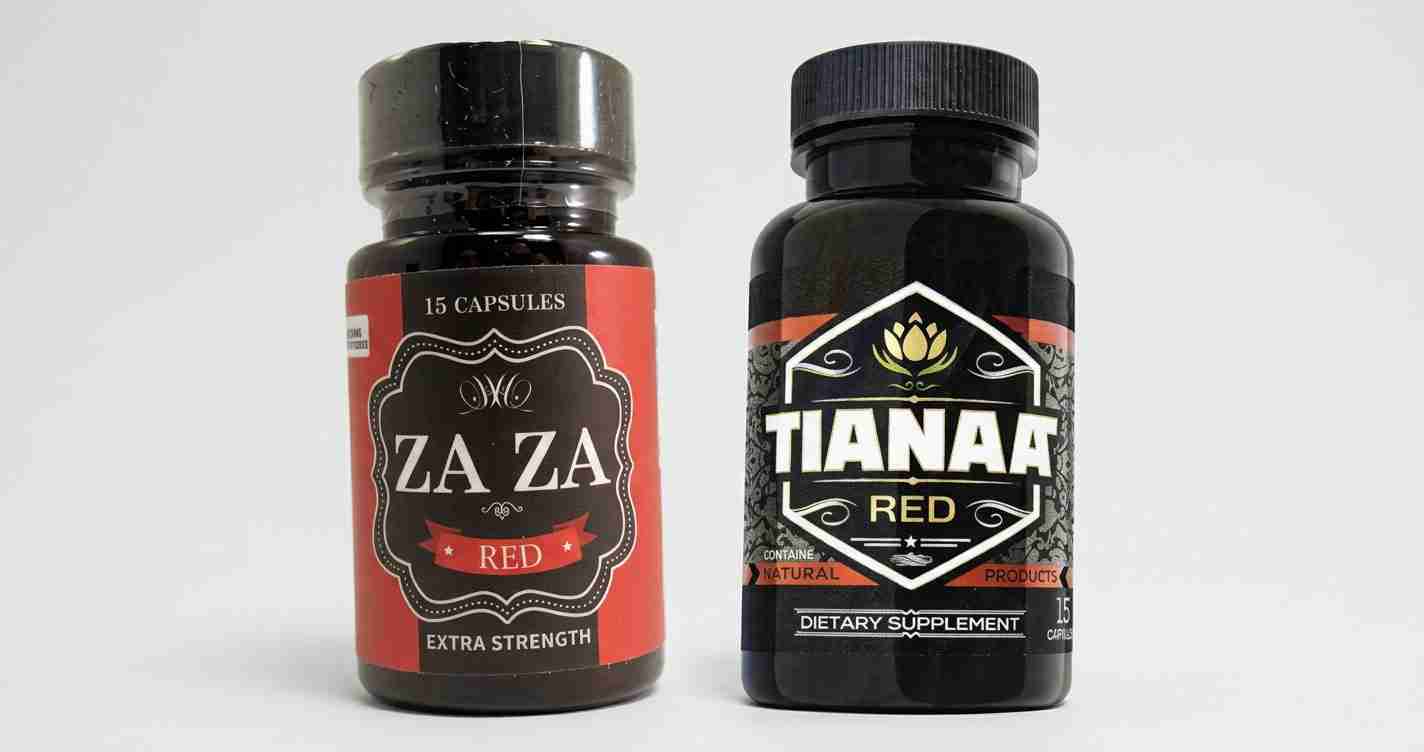
Tianeptine is a tricyclic antidepressant used in some countries at controlled, low doses for depression. In the U.S., unapproved preparations are repackaged as pills, powders, salts and liquids with candy-like flavors and brand names such as Tianaa, ZaZa, Neptune’s Fix, Pegasus and TD Red. Regulators have warned of this trend via the FDA alert.
How it acts: serotonergic vs. opioid-like effects
Medical experts emphasize that tianeptine’s effects vary by dose. At lower recreational doses it can cause mood elevation tied to serotonergic activity, while at higher doses it stimulates mu-opioid receptors producing opioid-like euphoria, rapid tolerance and severe withdrawal symptoms. Clinicians note the higher-dose opioid effects may exceed morphine in potency and can suppress breathing — a pathway to coma, cardiac arrest and death (Clinical overview; Mayo Clinic background).
Rising calls to poison control and clusters of severe cases
Federal and regional poison-control centers report increasing tianeptine-related adverse events, especially in younger populations. A 2024 cluster in New Jersey tied products labeled Neptune’s Fix to deaths, seizures and cardiac events after co-use with synthetic cannabinoids; the state issued an immediate public advisory (New Jersey Department of Health health alert).
Hospitals and poison centers — including Virginia data showing about one-third of tianeptine calls required intensive care — report surges in emergency visits and difficult-to-manage withdrawal cases. Many patients and families mistakenly believe retail availability equals safety (VCU Health).
Expert warnings and federal concern
“I am very concerned,” wrote FDA leadership in a public warning highlighting availability and potential for harm.
The FDA alert and the Drug Enforcement Administration have warned that misuse can produce severe sedation, respiratory depression and death. Emergency clinicians — including leaders at major centers — have described tianeptine toxicity patterns that closely resemble opioid overdose and urged broader regulation.
State-level action accelerates
Faced with interstate sales and inconsistent controls, at least 14 states have placed tianeptine on Schedule I lists or enacted bans. Connecticut is the latest to prohibit sale and use, adding tianeptine alongside other substances such as kratom, 7-hydroxymitragynine, bromazolam, flubromazolam, nitazenes and phenibut to its schedule. Lt. Gov. Susan Bysiewicz called the move “a necessary step to combat addiction.”
Federal lawmakers have urged retailers to remove products and pressed for clearer action, including letters and press statements from members of the House Energy and Commerce Committee (House press release).
How users obtain and misuse tianeptine
Tianeptine is sold in nontraditional retail outlets — convenience stores, some gas stations, vape shops — and through online sellers. Packaging frequently claims benefits for pain, anxiety, depression or mental alertness and may mislabel the drug as a dietary supplement or nootropic. Because tianeptine is not included in routine drug screens, clinicians warn that misuse can go undetected, complicating diagnosis and treatment (FDA; Mayo Clinic).
Treating dependence and overdose
Clinicians recommend asking specifically about tianeptine exposure when patients present with unexplained opioid-like symptoms, severe withdrawal, or toxicity after using marketed supplements. Support services can connect users to treatment and overdose-prevention resources; callers may contact the SAMHSA National Helpline for assistance.
Implications for California
Economic impact: Retailers — convenience stores, vape shops and online sellers — could face enforcement, fines or license action if California follows other states. Public-health systems may experience increased emergency and ICU demand tied to tianeptine toxicity.
Political consequences: The spread of tianeptine spotlights regulatory gaps and interstate commerce challenges. Policymakers must weigh targeted consumer protections against burdens on legitimate businesses and consider harmonized state or federal scheduling.
Social and cultural effects: Candy-like flavors and false supplement marketing threaten youth and vulnerable adults. Multilingual, community-based outreach — via faith groups, schools, parent-teacher associations and clinics — will be important to reach California’s diverse populations.
Practical advice for residents: Avoid products marketed as dietary supplements that claim opioid-like benefits. For suspected overdose (slow or shallow breathing, severe drowsiness, confusion or loss of consciousness) call 911 immediately. For non-emergencies, contact local poison control or the SAMHSA National Helpline.
Sources and reporting references
- U.S. Food and Drug Administration — New “gas station heroin” (tianeptine) product trend
- VCU Health — What you need to know about “gas station heroin”
- Mayo Clinic — Tianeptine
- New Jersey Department of Health — Health alert on tianeptine cluster
- NCBI — Clinical research overview
- House Energy and Commerce Committee — Press release
- Talbot Health — Emerging substances overview
- SAMHSA National Helpline
For immediate help or to report suspected tianeptine-related harms, contact local poison control or your nearest emergency department.