Bad Bunny Super Bowl Boycott Threats Grow as Fans Cite Politics, Language and ICE Comments
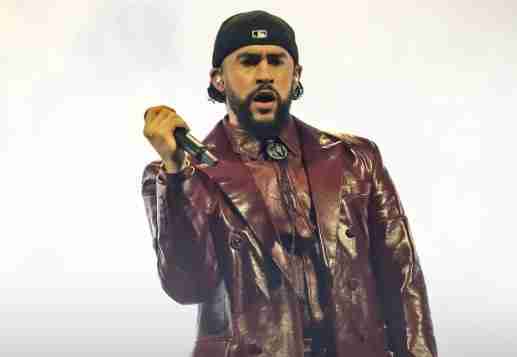
Bad Bunny’s selection to headline the 2026 Super Bowl Halftime Show at Levi’s Stadium has ignited boycott threats from conservative and MAGA-aligned fans citing his language, perceived politics, and past comments about ICE, sparking renewed NFL culture-war debates.
- Headline booking: Bad Bunny will headline the 2026 Super Bowl Halftime Show at Levi’s Stadium — covered by Axios and Times of India.
- Social backlash: Conservative and MAGA-aligned users pushed a “Boycotting Bad Bunny” trend urging viewers to skip the Super Bowl or halftime show — reported by Times of India and GiveMeSport.
- Core grievances: Critics cite his decision to avoid some U.S. tour stops over ICE concerns, use of Spanish in performances, and perceived anti-Trump views (see Axios).
- NFL stance: The league has not issued an official comment responding to boycott threats as of the latest reporting (Axios).
Backlash and the social media push
Within hours of the halftime announcement, hashtags calling for a boycott circulated among conservative influencers and far-right users. Posts framed the booking as a political statement by the NFL rather than a musical choice, suggesting the league prioritized diversity or politics over a perceived “traditional” football entertainment.
“The booking is political,” read posts from boycott organizers who argued the league made a cultural statement by selecting Bad Bunny.
Some posts used harsh language — labeling the artist with terms like “demonic Marxist” or accusing him of being “anti-American.” Others contrasted Bad Bunny’s earlier decision to skip parts of a U.S. tour over concerns about ICE raids with his willingness to perform at the Super Bowl, highlighting that perceived inconsistency as a key grievance.
Why critics say this is about more than music
Many boycott advocates place the protest within broader debates over immigration, language and national identity. Bad Bunny’s comments about avoiding some U.S. tour stops because of ICE patrols have been cited as evidence of political leanings tied to immigration policy.
Critics also point to:
- His Spanish-language repertoire and international fan base, argued to be outside “American football culture.”
- Past halftime controversies that turned musical choices into cultural flashpoints (see Axios).
Measuring the boycott threat
Experts caution that trending hashtags and viral posts do not always translate into real-world action. The Super Bowl routinely draws tens of millions of viewers, and the NFL along with advertisers have weathered public outcry over performers before.
So far, there is no credible evidence that the NFL plans to cancel Bad Bunny’s performance; the league has remained publicly silent and analysts say advertisers have not signaled a withdrawal of support (iNews; Axios).
Supporters and pushback to the boycott
Not all reaction has been negative. Many fans and public figures pushed back on the boycott narrative. California Gov. Gavin Newsom mocked the backlash and highlighted Bad Bunny’s global streaming power and popularity.
Supporters note that Bad Bunny would be the first solo Latin artist to headline the halftime show — a milestone embraced by those who see the booking as a step toward greater representation.
Music industry analysts point out his massive streaming numbers and cross-over appeal could attract new viewers and potentially boost ratings, while others emphasize that most viewers tune for the game, ads, and commercials rather than political debate.
NFL history: politics, representation and halftime
This is not the first time a halftime choice produced national debate. Past shows — including performances by Beyoncé, Kendrick Lamar, Shakira and J.Lo — drew commentary for political, racial or cultural themes. Bad Bunny previously appeared as a supporting artist with Shakira and J.Lo, further tying this moment to past controversies (Axios).
Could a boycott hurt the NFL?
The economic impact would depend on the boycott’s scale and duration. A short-lived social media trend is unlikely to dent national TV ratings or ticket sales, but a sustained movement convincing advertisers or broadcasters to withdraw could have meaningful financial consequences.
At present, analysts say there is no clear sign that the league’s commercial partners plan to pull support (GiveMeSport; Axios).
Implications for California
As the host state, California — and Santa Clara in particular — will feel the local effects of public reaction and event turnout.
Economic impact
Levi’s Stadium and local businesses stand to gain from fans, media and corporate guests tied to the Super Bowl. A mass boycott that reduces viewership or attendance could lower spending at hotels, restaurants and vendors, though economists say a localized hit would require substantial, sustained drop-offs.
Political consequences
In politically diverse California, the controversy may deepen debates about immigration policy and cultural representation. Conservative voters could use the issue in messaging while Democrats and Latino leaders may defend the booking; Gov. Newsom has already mocked the outrage (Axios).
Social effects
The episode highlights tensions within Latino communities: some view Bad Bunny’s headline status as symbolic of growing recognition, while others — particularly conservative-leaning fans — question language and politics at mass events.
Cultural relevance
California’s identity as a diverse state means the halftime show will be examined as a showcase of Latin music and culture on a major American stage, attracting both praise and criticism.
Practical applications for residents
- Local businesses should monitor ticket sales, bookings and media attention and prepare contingency plans if viewership or attendance is affected.
- Residents planning viewing parties or events should be aware social media campaigns may influence local spaces and corporate sponsors, though no cancellations have been reported.
Sources and reporting notes
This report draws on coverage from multiple outlets and reporting on public reaction to the halftime announcement. See original reporting at:
- Axios
- Times of India
- GiveMeSport
- iNews
- Example video and social clips cited in reporting: YouTube
Reporting by Times Media Service in Santa Clara. All original facts, information, and URLs preserved.