
Hundreds of Iranian-Americans Celebrate Reported Death of Ayatollah Khamenei in NYC After U.S.-Israel Strike
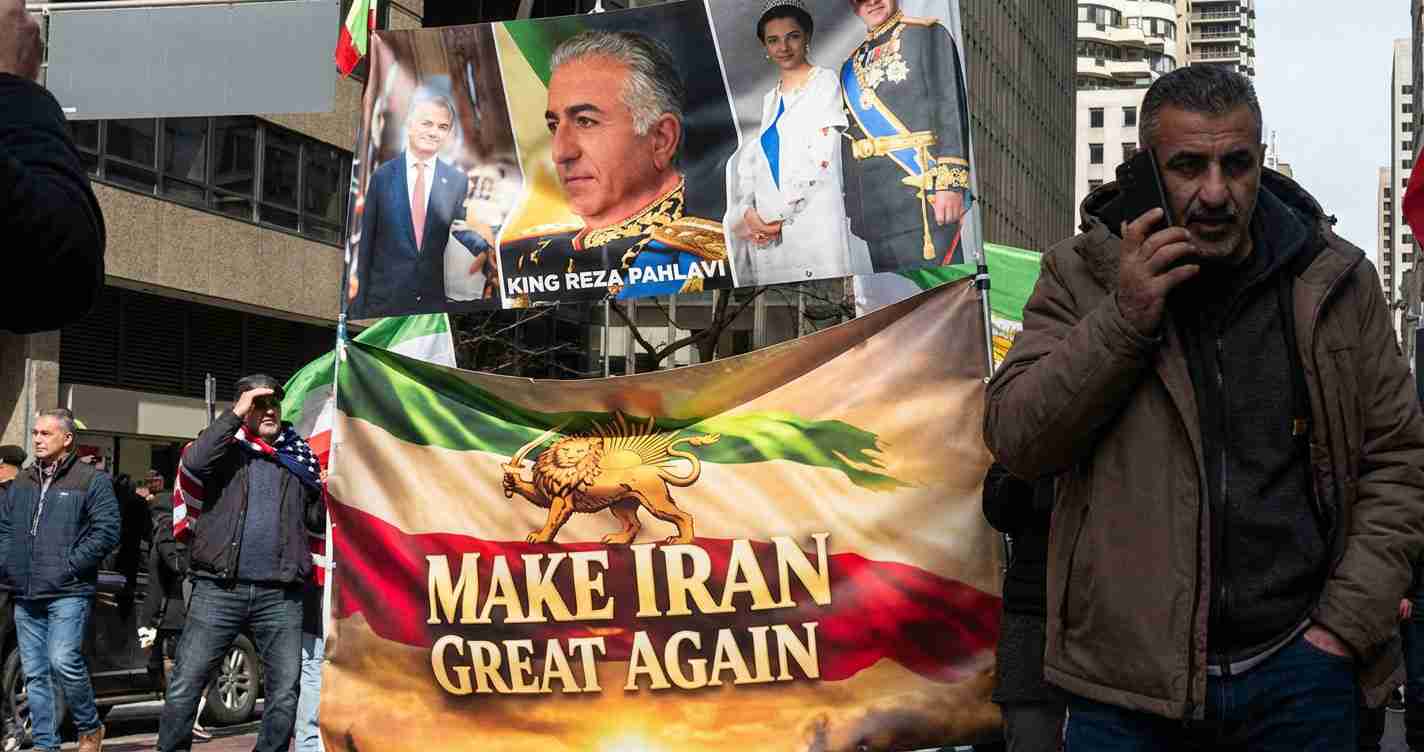
Hundreds of Iranian-Americans gathered in New York City on March 1, 2026, to mark reports that Supreme Leader Ayatollah Ali Khamenei was killed in a U.S.-Israel strike; demonstrators combined celebration with calls for a transitional government and human-rights protections.
- Large march: The Lion and Sun group routed a march from the United Nations to Times Square after reports of the strike, citing CBS New York and AM New York.
- Mixed emotions: Protesters waved pre-1979 Persian flags, expressed joy over reported leadership losses, and mourned victims of the regime — a blend of relief and grievance.
- Verification limits: Iranian state media, U.S. and Israeli officials reported the strike; casualty figures vary and independent verification remains incomplete (video reports).
Key information
What happened: A march organized by the Lion and Sun group routed from the United Nations headquarters to Times Square after reports that a U.S.-Israel joint attack over the Feb. 28–29 weekend killed Iran’s Supreme Leader Ayatollah Ali Khamenei and about 40 of his top officials, according to CBS New York and AM New York.
Who marched: Hundreds of Iranian-Americans — many refugees or exiles — carried pre-1979 Persian flags alongside American and Israeli flags. Organizers and attendees voiced support for exiled Crown Prince Reza Pahlavi and urged a transitional government (AM New York).
Casualties and confirmation: Iranian state media first reported Khamenei’s death; U.S. and Israeli officials later acknowledged the attack. Reports cite more than 200 deaths in Iran per humanitarian groups and the Iranian Red Crescent, and three U.S. service members killed in related fighting (CBS New York).
A march of relief and grievance
Organizers described the demonstration as both a celebration and an act of mourning. Participants carried the Lion and Sun Persian flag and held portraits of protesters killed inside Iran, juxtaposing joy over the reported death of Khamenei with grief for victims of the regime.
“We are here to celebrate Khamenei’s death and be Iranian people’s voice,” said Soudabeh Hasseri, per local coverage (AM New York).
“I was crying and dancing the whole day yesterday after 50 days of torture,” said NYU student Foujan Gharib, who fled Iran in 2023 and recalled being hit by rubber bullets during the Mahsa Amini protests (CBS New York).
Organizers and political aims
The march was organized by the Lion and Sun group, which supports exiled Crown Prince Reza Pahlavi and called for his return to lead a transitional government until Iranians can determine their future. Demonstrators said they seek the civil and political rights enjoyed in the United States, while acknowledging such freedoms “come with a price” (AM New York).
Pushback: Anti-war and pro-Palestinian groups staged separate protests opposing U.S. intervention. Coalition members chanted “Hands off Iran” and warned against escalation (AM New York).
National and local reactions
New York Mayor Zohran Mamdani condemned the strikes as “an illegal war of aggression,” expressed solidarity with Iranian New Yorkers, ordered increased patrols at sensitive locations, and warned against using bombs to impose regime change (AM New York).
At the same time, some Iranian-Americans publicly thanked the United States for the attack. Riag Javid, head of the Persian American Parade, mourned the three American service members and called them “heroes,” while others expressed gratitude and referenced political figures who supported the strikes (CBS New York).
Facts on the attack and reporting caveats
Initial reports: Iranian state media first reported Khamenei’s death late Saturday; U.S. and Israeli sources later confirmed aspects of the attack. Major outlets published obituaries and analyses on Khamenei’s long rule, prompting debate about how to frame alleged human-rights abuses in coverage (Fox News media analysis).
Casualty reporting: Figures vary: Iranian officials and humanitarian groups reported more than 200 deaths from the strikes; Iran later launched retaliatory strikes. U.S. officials reported three American service members killed in associated actions. Independent verification is incomplete in a fast-moving situation.
Inside Iran: fear, celebration and uncertainty
Reporting from inside Iran described guarded celebrations — car horns and chants — alongside deep fear of arrests and crackdowns. Analysts caution that Iran’s Revolutionary Guard and security services retain capacity to suppress large-scale uprisings, keeping many citizens cautious about open dissent (News and Sentinel).
Human rights context
Demonstrators highlighted longstanding rights abuses in Iran, including discrimination against women, religious minorities, LGBTQ people and ethnic groups. Organizations such as Amnesty International have documented violent repression of protests, including the 2022 protests after Mahsa Amini’s death; New Yorkers said their celebration also served as remembrance for those killed (AM New York).
Verification limitations
Some details remain unverified. Iranian authorities have not publicly confirmed all casualty figures or the full scope of leadership losses reported. Social media and video reports circulated widely but require verification; reporters caution readers to treat many accounts as preliminary (video reports).
Implications for California
Economic impact: California’s ties to global trade and energy markets mean wider conflict could raise oil and fuel prices, disrupt shipping lanes, and affect ports in Los Angeles and Long Beach. Tech and entertainment companies with global supply chains may reassess risk and insurance costs (CBS New York).
Political consequences: California’s sizable Iranian-American community, especially in Los Angeles’ “Tehrangeles,” may intensify political debate. Lawmakers could face pressure to clarify positions on strikes, the safety of Iranian-Americans, and U.S. military involvement.
Social effects: The events could deepen community divides. Those who fled repression may feel vindicated; others fear retaliation against relatives in Iran. Universities and local institutions may see protests or vigils and should consider stepped-up protections for sensitive sites.
Cultural relevance & practical steps: Persian culture is a visible part of California life; calls for Reza Pahlavi and the Lion and Sun symbolism resonate across generations. Californians with ties to Iran should monitor travel advisories, expect consular demand, and prepare support resources at workplaces and schools (AM New York).
Reporting notes and sources
This article draws on reporting from Times Media Service and local outlets covering the New York march and broader events. Key reporting and context came from:
- CBS New York
- AM New York
- Fox News media analysis
- News and Sentinel
- Video reports and social media coverage
Reporting by Times Media Service; additional reporting and source material cited above.


