SpaceX Falcon 9 Launches 25 Starlink V2 Mini Satellites from Vandenberg; Booster B1082 Lands on OCISLY
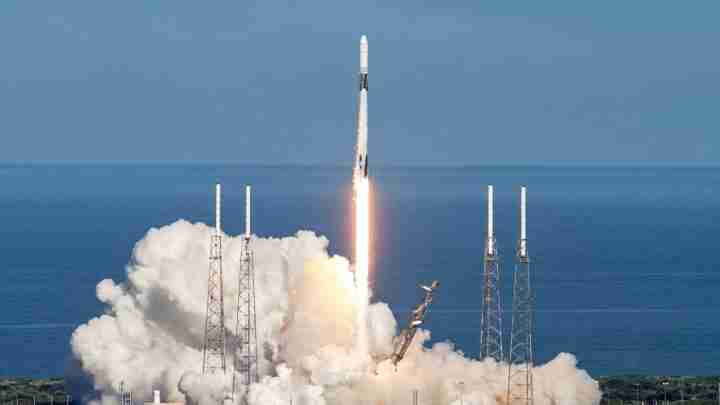
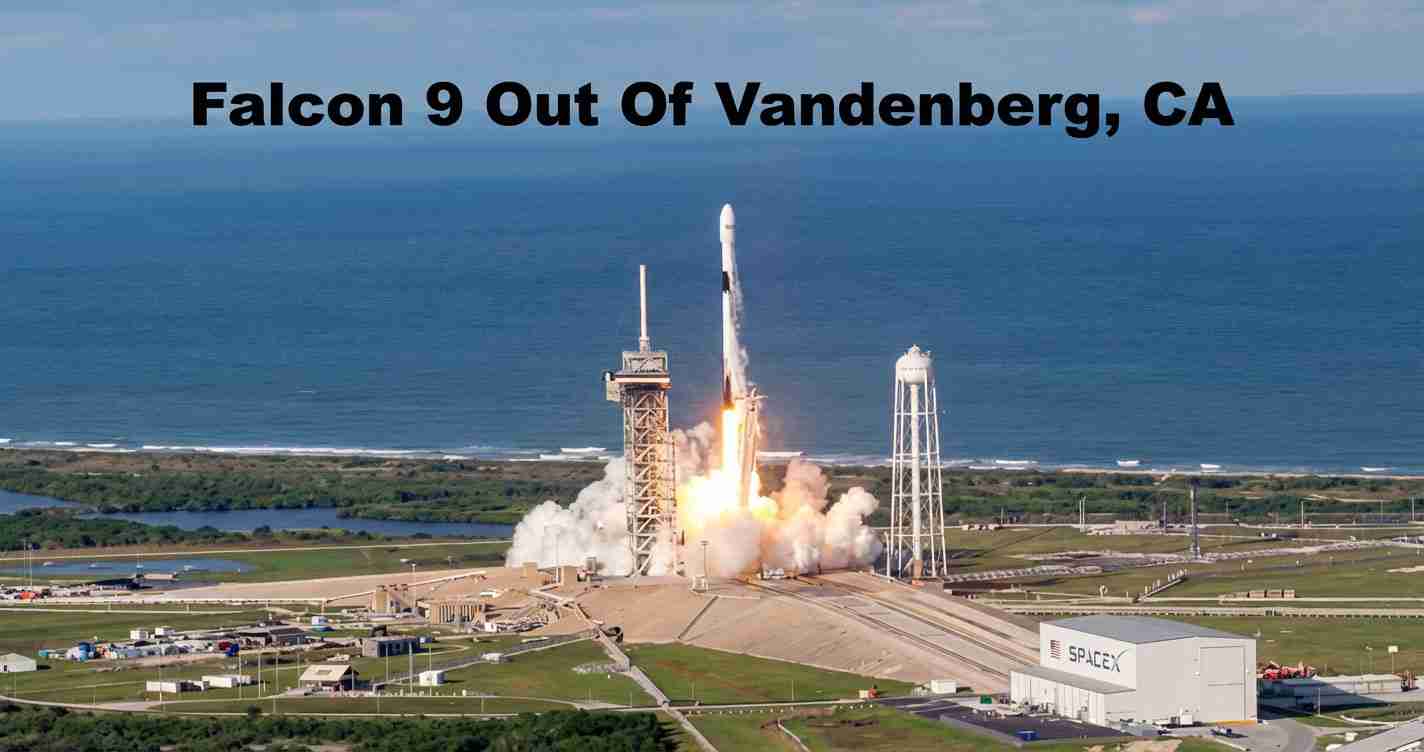
VANDENBERG SPACE FORCE BASE — On March 1, 2026 at 2:10 a.m. PST, SpaceX’s Falcon 9 launched 25 Starlink V2 Mini satellites from SLC-4E, expanding the Starlink constellation while booster B1082 executed a successful landing on OCISLY.
Key takeaways
- Mission: Starlink 17-23 deployed 25 Starlink V2 Mini satellites to low-Earth orbit (SpaceX).
- Liftoff: March 1, 2026 at 2:10:39 a.m. PST (10:10 UTC); the launch window opened at midnight PT (Spaceflight Now, YouTube livestream, YouTube livestream).
- Booster reuse: Falcon 9 first stage B1082 flew its 20th mission and landed on the droneship Of Course I Still Love You (OCISLY) in the Pacific (Spaceflight Now, SpaceX).
What happened
SpaceX executed standard prelaunch procedures at Space Launch Complex 4 East (SLC-4E) before the early-morning liftoff. Propellant loading, engine chill and pressurization checks proceeded through the countdown with go/no-go calls at T‑38 minutes and final checks in the last minute before liftoff (video timeline).
The Falcon 9 climbed on a southerly trajectory to insert the stack into a low-Earth orbit suitable for Starlink V2 Mini deployment (Spaceflight Now).
About eight minutes after launch the first stage separated and completed a controlled descent and landing on OCISLY; the second stage continued to deliver 25 Starlink satellites into the planned deployment orbit.
Rocket and payload details
Falcon 9: a two-stage, ~70-meter (230-foot) rocket with a 3.7-meter diameter first stage that produces roughly 7,607 kN of thrust at liftoff. Published mission summaries and technical references are available from SpaceX and archival coverage (mission video).
Payload: 25 Starlink V2 Mini satellites — part of SpaceX’s growing broadband constellation that continues regular delivery flights from both coasts (SpaceX manifest).
Booster reuse and flight history
First stage B1082 is a veteran booster. The March 1 flight marked its 20th mission, including prior flights for USSF-62, OneWeb Launch 20, NROL-145 and multiple earlier Starlink missions. Frequent reuse is central to SpaceX’s cost and cadence strategy, and the recovery on Of Course I Still Love You demonstrates operational maturity (mission commentary, Spaceflight Now).
Watching the launch and livestream
Because the window opened in darkness, residents across Santa Barbara, San Luis Obispo and Ventura counties had good viewing conditions for the ascent. SpaceX provided a live webcast beginning about five minutes before liftoff on its official site and via its X account and X TV app (SpaceX, KSBY).
For archival viewing, the countdown and webcast remain available online (countdown, recovery footage).
Safety, noise and community impact
Night launches are visually striking but can produce audible effects on the ground. FAA operations planning and local advisories warned residents that sonic booms are possible depending on flight path and atmospheric conditions (Edhat).
Vandenberg and local authorities coordinate safety measures including temporary airspace restrictions and public notifications; residents should follow official guidance and monitor FAA notices and county alerts (KSBY).
Backup windows and launch cadence
The FAA operations plan listed a backup opportunity for March 2 in case of delays. Vandenberg’s schedule included multiple launches in the same window, underscoring how often SpaceX moves hardware to orbit during busy periods (KSBY, Spaceflight Now).
Broader context: Starlink growth and public interest
Starlink continues to grow through regular Falcon 9 flights, adding to a constellation that now numbers in the thousands. West Coast launches emphasize California’s role in national space logistics and commercial spaceflight operations (SpaceX).
Sources and live coverage
Primary mission information and the official summary are posted by SpaceX. Additional live reporting and launch-tracker updates were available from Spaceflight Now, KSBY, and community reporting on Edhat. Video archives are posted at YouTube and YouTube.
Implications for California
Economic impact: Regular launches from Vandenberg support jobs across the Central Coast — technicians, engineers, contractors and hospitality services benefit, and maritime recovery operations create work for regional ports and contractors (SpaceX).
Political and regulatory: Frequent commercial launches raise local questions about noise ordinances, coastal access and federal coordination; lawmakers balance economic benefits with community concerns (KSBY, Edhat).
Social effects: Nighttime launches draw viewers and visitors, boosting short-term tourism but creating parking, safety and noise concerns for residents. Sonic booms can disrupt sleep and wildlife; clear scheduling notices help communities plan.
Practical tips for residents
- Plan for early-morning travel if viewing in person and check official Vandenberg and county notices for viewing-area restrictions (KSBY).
- For the clearest home coverage, tune to SpaceX’s webcast on SpaceX or their X/X TV channels about five minutes before liftoff.
- Monitor FAA advisories and local county alerts for noise, sonic-boom guidance and backup windows (March 2 contingency was listed in the FAA plan).
Note: This report preserves original mission facts and source links for reference and verification.