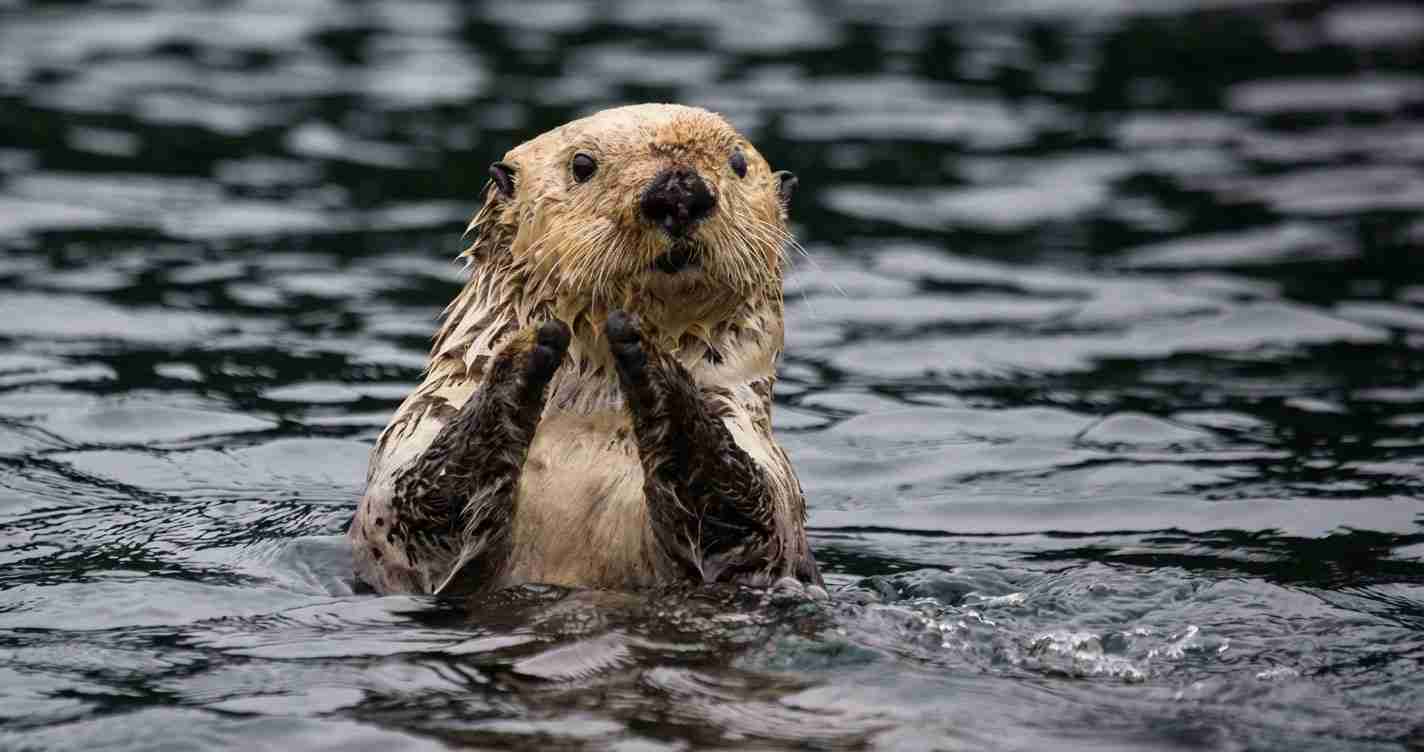
Where to See Baby Sea Otters This Season: A Santa Cruz Local’s Guide to Monterey Bay and Beyond
Planning a trip to see California’s sea otters? This local guide highlights the best Monterey Bay and Santa Cruz spots — from Moss Landing to the Santa Cruz Wharf — and offers timing, viewing tips and conservation advice.
Key takeaways
- Top local sites: Moss Landing, Elkhorn Slough, Monterey’s Fisherman’s Wharf and Cannery Row, Point Lobos, Lovers Point and the Santa Cruz Wharf are dependable spots for sightings.
- Seasonal pulse: The biggest wave of newborn pups arrives in late winter through early spring, though births occur year‑round.
- Safety first: Stay at least 60 feet away — give mothers and pups even more space; human disturbance can be deadly.
- Best viewing: Bring binoculars, visit early morning, and choose guided tours or elevated vantage points to avoid disturbing animals.
Where to look in Monterey Bay and Santa Cruz
Moss Landing (Monterey County)
Moss Landing State Beach and the protected coves near the dunes are often the most dependable spots. The shallow water and eelgrass beds attract otters that raft in groups, making them easier to spot from shore or low elevations. SeeMonterey lists Moss Landing as a near‑guaranteed place for year‑round sightings.
Monterey — Fisherman’s Wharf and Cannery Row
Monterey’s waterfront areas are classic spots for watching otters feed on clams, mussels, crab and urchins. Fisherman’s Wharf and Cannery Row often offer close‑range views from the pier or harbor cruises; local outfitters run guided tours that point out kelp beds and otter activity. Source: SeeMonterey.
Point Lobos State Reserve (Carmel)
Point Lobos is a protected reserve with rocky coves — Sand Hill, Whalers and Cypress Coves — where otters are commonly seen bobbing in kelp and grooming. Headlands offer elevated vantage points to observe without intruding. Bring binoculars and stay back from cliffs and trails.
Lovers Point Park and Beach (Pacific Grove)
Calm waters and rental services (kayaks, SUPs) give opportunities to view otters from the water at a careful distance. Rentals and guided tours emphasize safe, nonintrusive viewing. Reference: SeeMonterey.
Santa Cruz Wharf and Natural Bridges (Santa Cruz County)
Residents frequently spot sea otters around the Wharf where animals sometimes rest near pilings or feed in nearby kelp beds. Natural Bridges State Beach offers tidepooling and coastal overlooks that can reveal otters, especially in colder months. Local guides and social media report regular sightings; note that these are working shorelines with nearby private property.
Sources: Ocean Safaris and Santa Cruz Wharf visitor notes.
Elkhorn Slough (near Moss Landing)
Elkhorn Slough’s estuary channels and marsh edges are reliable for otter sightings. Kayak tours and guided walks offer near‑guaranteed chances to view otters year‑round while minimizing disturbance. Source: Kayak Connection.
Best times and responsible practices
When to go
- Peak pup season: Late winter through early spring sees the largest seasonal pulse of newborn pups, though mothers may give birth any time of year.
- Daily timing: Early morning typically offers calmer water, less boat traffic and more active animals — ideal for viewing and photography.
How to view safely
- Maintain distance: Keep at least 60 feet (about 20 meters) away; give mothers and pups even more room. The U.S. Fish & Wildlife Service guidance underpins this recommendation.
- No feeding or touching: Never feed or try to touch otters — interactions change behavior and can reduce survival odds.
- Use optics: Binoculars and a long lens help; elevated cliffs and piers allow observation without approaching the water.
- On the water: Kayakers and small-boat operators should remain quiet, keep engines off near concentrations, and back away slowly if otters change behavior.
Conservation context and risks
Sea otters were hunted nearly to extinction for their dense fur in the 18th and 19th centuries. Their recovery is a conservation success in part, with California’s population now estimated at about 3,000 animals statewide, but federal and state protections remain because the species is still classified as endangered.
“Human-caused disturbances are alarming and could be fatal to the sea otters if the disturbance causes them to over-expend energy, especially mothers who need energy reserves to have the strength and stamina to feed and raise their young pups.” — Gena Bentall, director of Sea Otter Savvy
Disturbances force otters to flee, expend critical energy, and risk abandoning pups. Education, enforcement of distance guidelines and responsible tourism are essential to prevent harm.
Other Pacific Coast locations to consider
Beyond Monterey Bay and Santa Cruz, sea otters appear in pockets along the central and southern California coast. Consider:
- Morro Bay and other San Luis Obispo County shoreline areas
- Pismo Beach and nearby kelp beds (occasional sightings)
- Santa Barbara and the Channel Islands (Anacapa, Santa Cruz Islands)
- Local estuaries and protected coves where kelp and eelgrass grow — site‑dependent and seasonal
Because distributions shift, check local visitor centers, kayak outfitters and marine mammal monitoring groups before you go. When in doubt, choose operators and routes that emphasize wildlife safety. SeeMonterey’s guide is a good starting point: SeeMonterey — Top places to spot sea otters.
Implications for California
Economic impact
Sea otter viewing supports tourism across the central coast — from wharf vendors and charters to hotels and restaurants. Responsible ecotourism provides revenue while encouraging stewardship; local outfitters rely on healthy populations and predictable sightings. Sources: Ocean Safaris and SeeMonterey.
Political and regulatory consequences
Because sea otters remain endangered, federal and state protections affect coastal and marine management. Growing public interest can prompt calls for stronger enforcement of distance rules and increased funding for monitoring; U.S. Fish & Wildlife Service guidance reinforces those priorities. Source: Lookout coverage.
Social and cultural effects
Otters are cultural touchstones along the central coast — from local stories like Otter 841 to community campaigns urging respectful viewing. Visibility builds public support for conservation but can also create conflicts when crowds or social‑media sharing disturb animals.
Practical, day-to-day implications for residents
Residents may see more visitors during pup season: increased foot traffic on cliffs, parking demand near overlooks, and a need for clear signage about safe viewing distances. Communities benefit from collaboration with state parks, tour operators and wildlife groups to provide education and enforcement at popular sites.
Resources and links
- See Monterey — Top places to spot sea otters
- Kayak Connection — Winter wildlife and otter viewing around Santa Cruz and Monterey
- Ocean Safaris — Winter wildlife in Santa Cruz
- Lookout — Coverage on sea otter disturbance and expert warnings
- Santa Cruz Wharf visitor notes and crowd-reported sightings (TripAdvisor)
If you go: bring binoculars, stay well back from the water, respect signs and private property, and consider booking a guided tour that prioritizes animal safety. Watching a mother and pup raft in the kelp is a rare, fragile privilege — one that depends on visitors and residents protecting the coastline.