Measles outbreak declared in Shasta County as California urges residents to check vaccinations
Shasta County is experiencing California’s first notable measles outbreak in six years: eight confirmed cases—primarily unvaccinated people—part of a national surge. Public health officials urge residents to verify MMR vaccination status and monitor possible exposures.
Key takeaways
- Eight related cases confirmed in Shasta County; all patients were unvaccinated or had unknown vaccination histories — CBS Sacramento.
- California totals: 17 cases statewide in 2026, including Los Angeles, Orange, San Bernardino, Riverside and Shasta counties — CBS Sacramento.
- National surge: 733 confirmed U.S. cases across 20 states as of Feb. 5, 2026; 2025 had 2,276 cases — CDC.
- Public guidance: Officials are strongly urging Californians to ensure their MMR vaccinations are current — California Department of Public Health.
What happened in Shasta County
Shasta County public health investigators traced eight confirmed measles cases to a close-contact cluster. The initial case was identified on Jan. 30; seven additional cases involved people who had close contact with that person. All eight patients were either unvaccinated or had no reliable MMR record — CBS Sacramento.
Exposure sites and dates
Local health officials published a list of public exposure locations to help with contact tracing. Anyone who attended the following sites at the listed times should check for symptoms and contact public health authorities:
- Ninja Coalition — 900 Dana Drive on Jan. 23
- Highland Neighborhood Park capture-the-flag event — 555 Mill Valley Parkway on Jan. 23
- Osaka Sushi — 1340 Churn Creek Road on Jan. 23
- CrossPointe Community Church basketball game — 2960 Hartnell Avenue on Jan. 24
- Costco — 4805 Bechelli Lane on Jan. 24
- Churn Creek HealthCare clinic — 3184 Churn Creek Road on Jan. 28
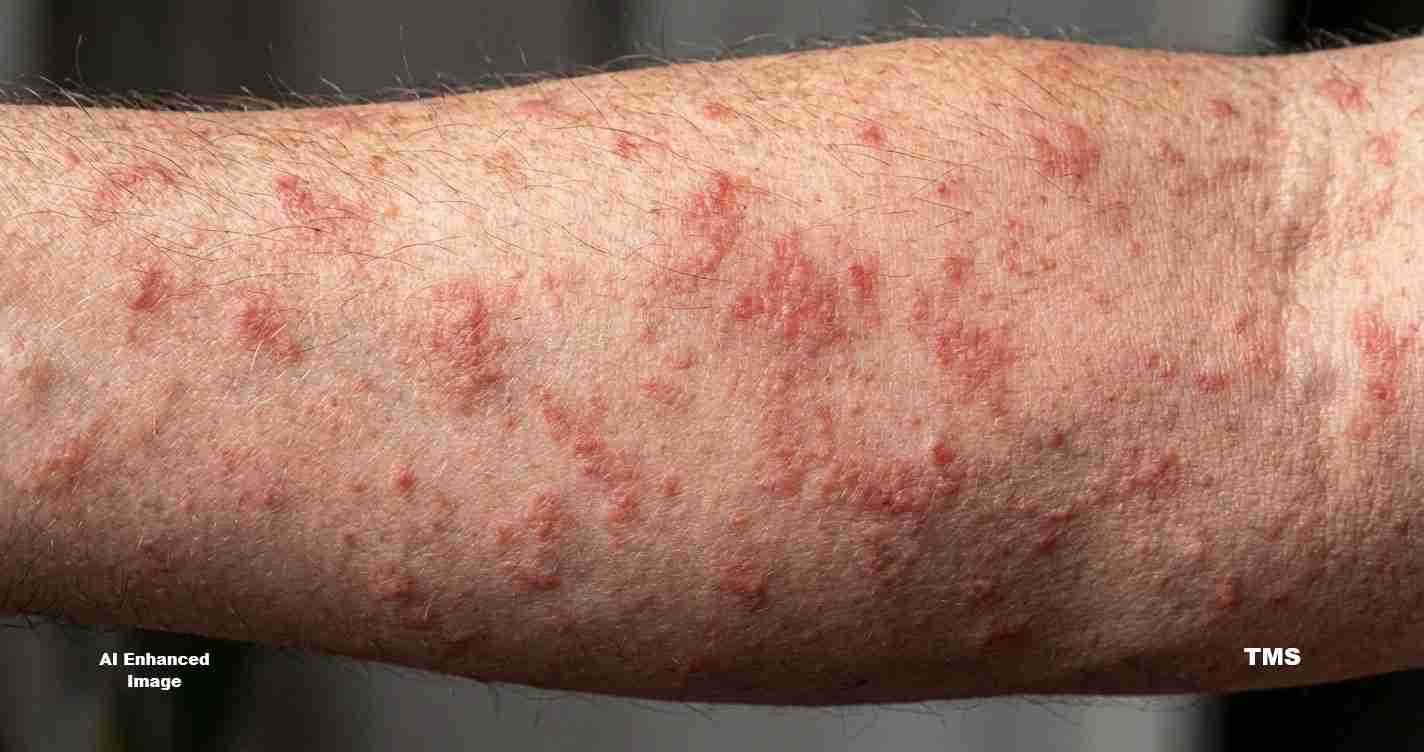
Authorities ask attendees at those events to monitor for fever, cough, runny nose, red eyes, and rash, and to contact the county health department if symptoms develop — CBS Sacramento.
Statewide picture and public health response
The California Department of Public Health (CDPH) has classified the Shasta cluster as an outbreak. By early 2026 the state reported 17 measles cases spanning multiple counties. Two people with measles were contagious during visits to Disneyland on Jan. 22 and Jan. 28, prompting broader exposure notifications — CBS Sacramento.
CDPH is coordinating with local health departments for contact identification, post-exposure guidance, and vaccination as appropriate — California Department of Public Health.
National surge: numbers and causes
The U.S. is experiencing its highest measles counts in decades. CDC data showed 733 confirmed cases across 20 states as of Feb. 5, 2026, following 2,276 cases in 2025. Public health leaders point to clusters of unvaccinated people as a primary driver of rapid spread — CDC.
Large clusters, such as a South Carolina outbreak with more than 920 linked cases, illustrate how quickly measles can propagate in communities with low vaccination coverage — reporting compiled by public health sources and media — CBS Sacramento; CDC.
Who is at risk and how measles spreads
Measles is highly contagious. The virus spreads through respiratory droplets and can remain infectious in the air for up to two hours after an infected person leaves an indoor space. Infected people are typically contagious from four days before a rash appears through four days after the rash begins — California Department of Public Health.
Nationwide surveillance in 2025 showed roughly 96% of cases were in people who were unvaccinated or had unknown vaccination status; about 90% of unvaccinated people exposed to measles will become infected. These statistics underscore vaccination as the most effective prevention — Xinhua; CDPH.
Vaccine effectiveness and coverage
Two doses of the MMR vaccine provide about 97% protection against measles. California continues to report high MMR coverage among schoolchildren — more than 95% coverage among kindergarteners for the 2024–2025 school year. High community vaccination rates help contain outbreaks — Xinhua; CDPH.
Protecting the most vulnerable
Measles can be especially dangerous for young children too young for full vaccination and for pregnant people. Hospitalizations and severe complications can occur. Officials recommend that anyone who believes they were exposed contact their local health department promptly; in some cases, post-exposure immunoglobulin or timely vaccination can reduce risk — California Department of Public Health.
Investigative questions and public policy considerations
Investigators are probing how the transmission chain began in Shasta County and whether other clusters remain undetected. Officials reviewed close-contact chains, vaccination records, and whether misinformation or access barriers contributed to coverage gaps. Local officials also noted newly infected patients isolated before becoming possibly contagious, which likely limited spread — CBS Sacramento.
Implications for California
Economic impact
Short-term costs may affect local businesses and healthcare providers (testing, tracing, staffing shortages). High-profile exposures, such as at theme parks or large retailers, can dent consumer confidence and local tourism until outbreaks are contained — CBS Sacramento.
Political consequences
Outbreaks typically renew debate on vaccination policy, school-entry requirements, and exemption rules. California’s strong kindergarten MMR coverage may shift discussions toward targeted outreach and funding rather than broad mandates — CDPH.
Social effects
Communities with clusters of unvaccinated people face greater risk. The Shasta outbreak demonstrates how a single case can ripple through families, schools, and faith groups. Outreach that builds trust and addresses safety concerns will be critical to reduce hesitancy — CBS Sacramento.
Cultural relevance
Trusted local messengers — primary care doctors, community leaders and school officials — are key to effective outreach across California’s diverse communities. Messaging that emphasizes protecting children and returning to normal economic activity may resonate with moderate conservative readers balancing public health and individual freedoms — CDPH.
Practical applications for residents
Residents should check vaccination records for themselves and household members, particularly children, pregnant people, and the immunocompromised. Anyone who attended the Shasta exposure locations on the listed dates should monitor for symptoms (fever, cough, runny nose, red eyes, then rash) and contact the county health department for guidance — CBS Sacramento;
If uncertain about MMR status, consult your primary care provider; clinics and health departments can provide vaccination or post-exposure interventions when appropriate — California Department of Public Health.
Reporting and resources
For more information, see California Department of Public Health and the U.S. Centers for Disease Control and Prevention. Local health departments in affected counties are coordinating contact tracing and public notifications — initial Shasta updates were published by local officials and media — CBS Sacramento.
“We are strongly urging Californians to ensure their measles vaccinations are current,” said state public health officials, highlighting vaccination as the simplest, most effective protection.
Action step: Contact your primary care provider or local health department promptly if you suspect exposure or need vaccination records.