
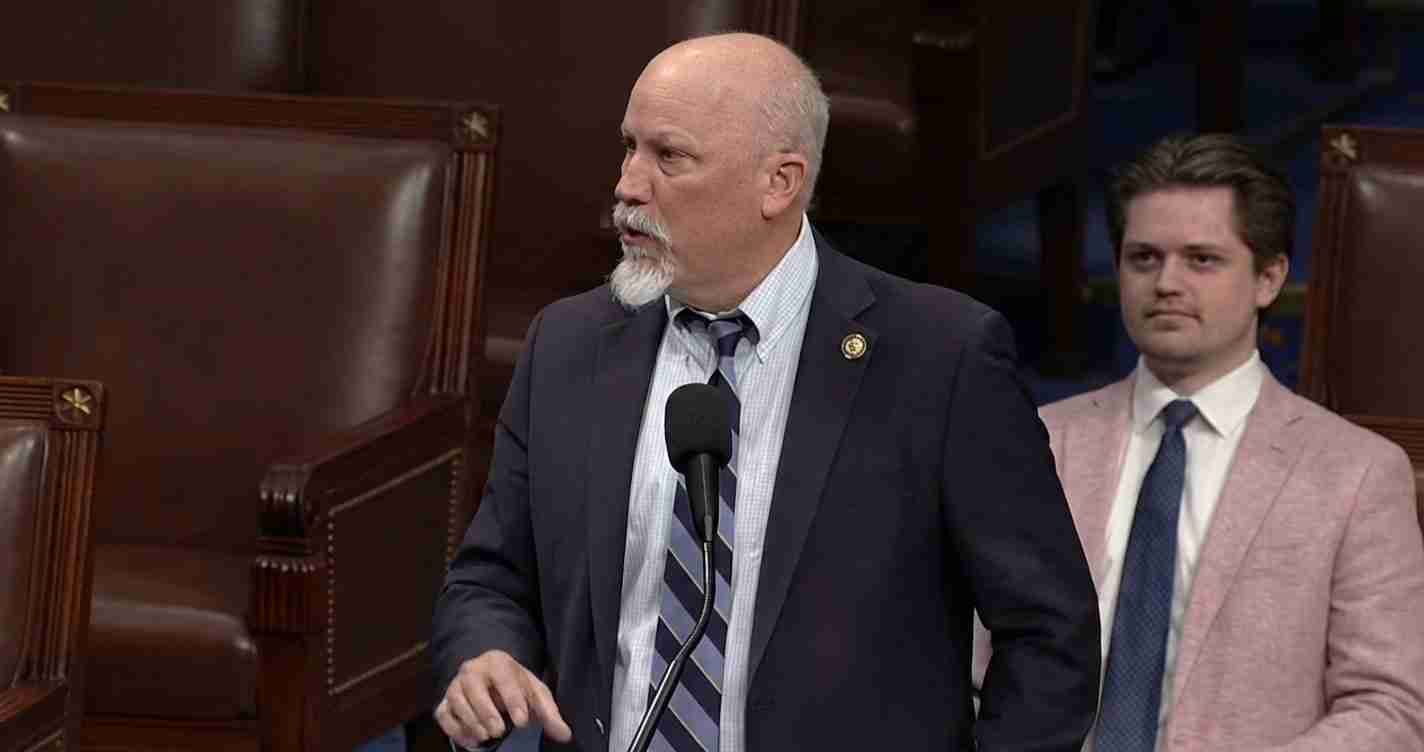
SAVE America Act raises fight over voter ID, proof of citizenship voting as House prepares vote
The SAVE America Act would require documentary proof of U.S. citizenship to register for federal elections and government-issued photo ID to vote, renewing fierce debate over election integrity, access and the potential disenfranchisement of millions of lawful voters.
- What it would do: Require documentary proof of citizenship to register and government-issued photo ID at the polls.
- Supporters say: It closes gaps that could allow noncitizen voting and strengthens election integrity.
- Critics say: It risks widespread disenfranchisement, especially among the poor, communities of color, students and the unhoused.
- Political stakes: Backed by hard-line Republicans and former President Trump; its momentum has led to calls to change Senate filibuster rules.
Key information
The SAVE America Act (also called the Safeguard American Voter Eligibility Act) would require documentary proof of U.S. citizenship to register for federal elections and government-issued photo ID to vote. Bill text: H.R. 22 (SAVE Act) and H.R. 7296 (SAVE America Act text).
Supporters say the measure would close gaps that could allow noncitizen voting. See reporting and analysis from CBS News. Opponents say it would burden or block millions of lawful voters—coverage and analysis at the Brennan Center for Justice.
The bill has strong backing from hard-line Republican circles and from former President Donald Trump, who urged passage publicly; sponsors and supporters have pushed for fast floor action, prompting some GOP activists to call for changes to Senate filibuster rules. See the sponsors’ release at the Office of Senator John Cornyn.
Public claims tying entertainers or tech figures to support for the bill lack reliable evidence—see the Bipartisan Policy Center review.
Major provisions spelled out
Key changes the bill would enact include:
- Proof of citizenship for registration: The bill would require documentary proof of U.S. citizenship to register for federal elections. Acceptable documents include a REAL ID-compliant ID showing citizenship, a U.S. passport, certain military or naturalization records, or a photo ID with a birth or naturalization certificate. Mail-in or online registration could trigger in-person follow-up.
- Photo ID to vote: Government-issued photo ID would be required at the polling place; absentee voters would need to provide a copy of that ID with their ballot. If the ID does not indicate citizenship, additional proof could be required unless state records can be matched to federal databases.
- Enforcement and removals: The bill would push states to use federal data sources to remove noncitizens from voter rolls and create enforcement tools, including criminal penalties and private rights of action against officials who register voters without proof.
Bill references: For complete language, see H.R. 22 and H.R. 7296 (text).
Who’s backing the bill — and why
Supporters’ argument: House and Senate Republicans sponsoring the measure — including Rep. Chip Roy (R-Texas) and Senators John Cornyn (R-Texas) and Mike Lee (R-Utah) — frame the SAVE America Act as a common-sense protection to ensure only U.S. citizens vote in federal elections. They cite strict state laws like Texas’ voter ID rules as templates and point to perceived vulnerabilities in current systems.
“We must ensure election integrity by requiring proof of citizenship and photo ID,” say supporters who argue the change is necessary to restore trust.
Former President Donald Trump and many conservative commentators have amplified support publicly and urged passage; reporting indicates the bill was scheduled for a House vote next week. See CBS News coverage.
Critics warn of widespread disenfranchisement
Opponents’ argument: Democrats and voting-rights groups call the SAVE America Act a form of voter suppression. They point to research estimating tens of millions of eligible Americans lack ready access to documents like passports or certified birth certificates. See analysis at the Brennan Center for Justice.
Critics warn the bill would roll back conveniences states now offer — including online registration, same-day registration and registration drives — and could prompt large-scale purges, litigation and administrative burdens. Detailed coverage and critique are available from CBS News and Democracy Docket.
Independent research generally finds noncitizen voting is rare under current law; critics say the bill’s remedies are out of proportion to the problem and would burden lawful voters more than they would stop illegal votes. See Bipartisan Policy Center.
How the bill would change state practice and enforcement
If enacted, the SAVE America Act would force many states to revise registration systems, change absentee ballot rules and add verification steps tied to federal databases. It would also expose state and local election officials to private lawsuits and criminal penalties if they register people without the required documentation.
Legal scholars and advocacy groups predict sustained litigation—possibly reaching the Supreme Court—over conflicts between the federal mandate and state policies such as automatic voter registration and online sign-up. See bill text and commentary at H.R. 7296 (text) and the sponsors’ release at the Office of Senator John Cornyn.
Politics and the Senate filibuster
The bill’s backers have pushed for rapid House action and urged Senate Republicans to consider changing filibuster rules so the measure could pass with a simple majority. Some Republicans support the bill; others are wary of national mandates that conflict with state systems and of the political fallout tied to restrictive policies. The debate will be pivotal for the bill’s fate beyond the House. Reporting: CBS News.
Fact check: celebrity endorsements and public claims
What’s verified: Online chatter has linked entertainers and tech figures to support for the SAVE America Act, but reporting finds mixed or absent evidence. No reliable reporting confirms rapper Nicki Minaj publicly endorsed the bill. Elon Musk has spoken broadly about election integrity but has not been clearly tied to endorsement of this specific bill.
Implications for California
California’s systems—automatic voter registration at the DMV, widespread vote-by-mail, online registration and same-day registration in some cases—would face friction under the SAVE America Act. That could produce administrative costs, confusion and potential declines in turnout among vulnerable groups.
- Administrative and financial costs: California would likely incur expenses to redesign systems, verify citizenship and retrain staff.
- Voter access concerns: Low-income residents, recent movers, students, veterans and unhoused people could face new barriers if in-person proof or extra paperwork is required.
- Tribal and special IDs: The bill’s narrow list of acceptable IDs may exclude some tribal or student IDs that lack required elements.
- Legal fights and state autonomy: California is likely to resist via litigation and administrative pushback, potentially generating long court battles ahead of 2026.
- Political consequences: The measure could split opinions among moderate conservatives who value integrity but oppose federal overreach that may reduce turnout.
Bottom line for Californians: The central question is whether the SAVE America Act will meaningfully solve noncitizen voting—and at what cost to eligible voters’ access and to state election administration.
Sources and further reading
- CBS News
- Congress.gov — H.R. 22 (SAVE Act)
- Congress.gov — H.R. 7296 text (SAVE America Act)
- Office of Senator John Cornyn
- Campaign Legal Center: What you need to know about the SAVE Act
- Brennan Center for Justice analysis
- Democracy Docket overview
- Bipartisan Policy Center: Five things to know about the SAVE Act



