
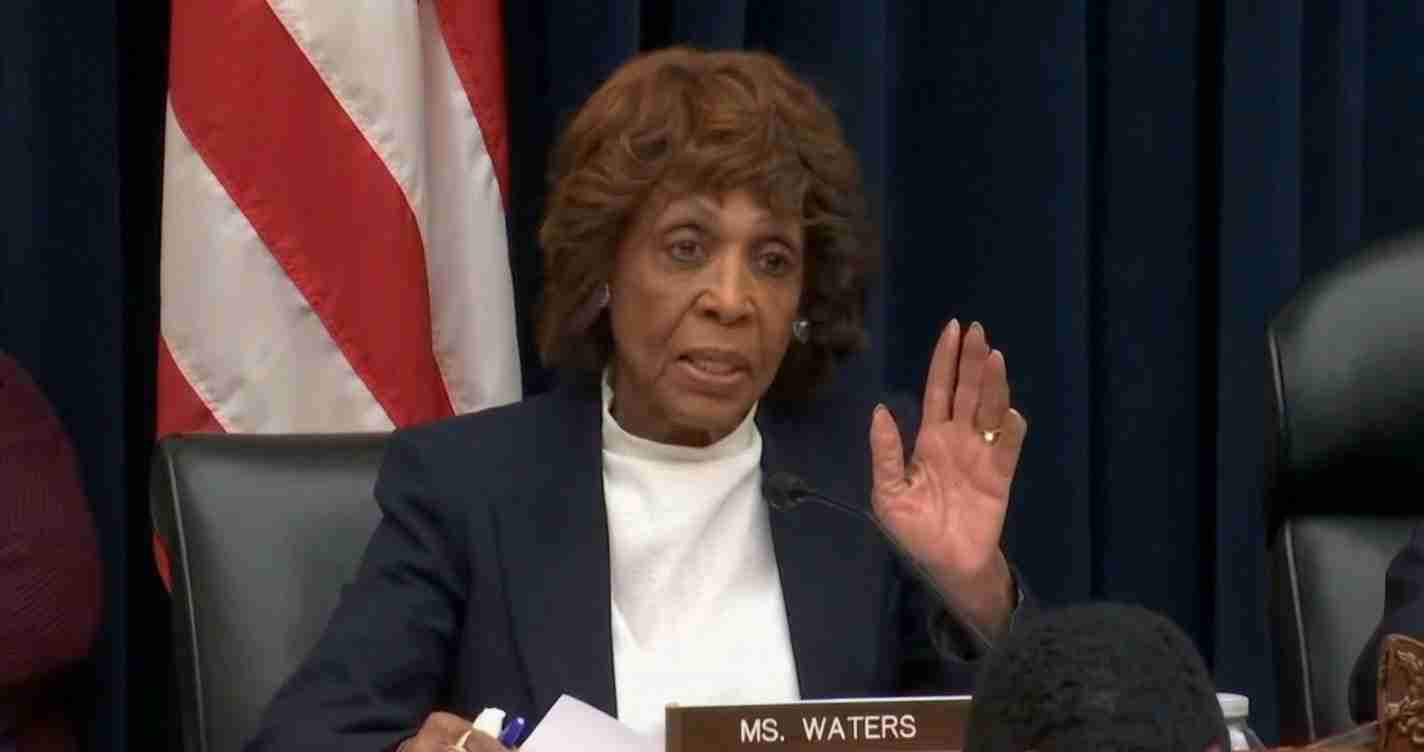
Waters and Bessent clash in fiery House hearing over Trump tariffs, inflation and housing affordability
A heated confrontation erupted Feb. 4, 2026, during a House Financial Services Committee hearing as Rep. Maxine Waters (D-Calif.) pressed Treasury Secretary Scott Bessent on Trump-era tariffs, inflation and housing affordability, prompting sharp exchanges and committee intervention.
Key takeaways
- Waters demanded a yes-or-no commitment that Bessent would urge President Trump to end tariffs she called a “war on American consumers,” pressing him during a contentious Feb. 4 hearing (Fortune).
- Bessent cited studies and history to argue tariffs are a modest share of GDP and not the primary driver of recent inflation, referencing work including a Wharton study and a San Francisco Fed analysis (Fortune).
- Hearing turned disruptive — Waters told aides “Can you shut him up?” as Bessent continued; Chairman Rep. French Hill enforced time limits to restore order (Fox News).
- Legal stakes loom as the Supreme Court reviews whether some 2025 trade duties exceeded presidential authority, a decision that could reshape tariff policy and oversight (Fox News).
What happened at the hearing
Rep. Maxine Waters pressed Treasury Secretary Scott Bessent with a string of questions focused on the consumer impact of tariffs used in the Trump administration’s trade policy. Waters demanded blunt answers, saying at one point:
“So I ask you, Secretary Bessent, will you be the voice of reason in this administration and urge President Trump to stop waging a war on American consumers, harming housing affordability, and putting the economy at risk? Yes or no. You don’t have to explain.”
That exchange and Waters’ insistence on a yes-or-no commitment were reported by Fortune, and drew heated pushback from Bessent, who responded with historical context and citations to academic research.
The data and the debate
Bessent argued tariffs represent a relatively small share of GDP and pointed to long-run evidence that large inflation movements have been driven by factors such as energy shocks, wars and monetary policy. He referenced academic work — including a Wharton study and a San Francisco Fed analysis — in defending the administration’s stance (Fortune).
Democratic lawmakers including Waters countered with research showing high pass-through of tariffs to retail prices for goods, arguing tariffs increase costs on groceries, home goods and building materials and therefore meaningfully affect households — especially in goods-intensive sectors.
Waters also invoked Bessent’s own 2024 letter to investors that stated “tariffs are inflationary”, and noted his prior public comments supporting cuts to import duties on everyday items like coffee and bananas to lower prices — using those earlier statements to press whether his position had changed (Fortune).
Tariffs’ impact on housing affordability
Housing was a central element of the clash. Waters blamed tariffs on inputs such as lumber, steel and household appliances for hampering construction and increasing costs, saying those actions were blocking the building of roughly half a million homes. Bessent disputed that scale and pointed to changes in lumber prices and other factors like immigration and supply-chain issues (Fortune; Notus).
News reports flagged a discrepancy in Bessent’s cited lumber comparisons: futures were reported at $589.50 versus a 2023 reference price of $469, suggesting lumber remained elevated relative to earlier periods. Waters used that to challenge the claim that tariffs were not materially affecting homebuilding costs (Fortune).
Broader hearing context and partisan exchanges
The session featured multiple sharp exchanges beyond the Waters–Bessent confrontation. Rep. Emanuel Cleaver called some testimony “embarrassing” while pressing Bessent on Federal Reserve independence, and Rep. Gregory Meeks raised questions about investigations into World Liberty Financial, a Trump-family crypto venture — drawing pointed responses from the Treasury secretary. Rep. Stephen Lynch urged responsiveness when Bessent referenced policies from the Biden era, underscoring the politicized nature of financial and trade policy oversight (Notus).
At one tense moment, Waters demanded order after Bessent spoke past her allotted time and asked, “Can you shut him up?” Chairman Rep. French Hill stepped in to enforce the committee’s timekeeping rules and restore order (Fox News).
Legal backdrop: Supreme Court review of 2025 tariffs
The hearing occurred as the administration awaited a Supreme Court ruling on whether some 2025 trade duties exceeded presidential authority. That pending decision could affect the legal footing of current tariff actions and reshape policy options available to Congress and the executive branch (Fox News).
Implications for California
Economic impact
Higher consumer prices from tariffs would disproportionately affect California households and businesses that rely on imported goods — from groceries to manufacturing components. Even small price increases matter in high-cost regions such as the Bay Area and parts of Southern California. The state’s construction sector could also face higher costs for lumber, steel and appliances, slowing housing production or raising new-home prices (Fortune; Notus).
Political consequences
The clash positions California lawmakers to press for consumer protections and housing-supply policies. Moderate conservative voters may respond to arguments highlighting tariff-driven costs for families and small businesses. If the Supreme Court limits presidential tariff power, state officials could urge Congress to clarify trade authority or pursue compensatory measures for local industries (Fox News).
Social effects
Rising prices for groceries, building supplies and appliances would hit lower- and middle-income Californians hardest, increasing pressure on state and local safety-net programs and social services (Fortune).
Cultural relevance
Housing affordability and consumer costs are core concerns for California voters. The tariff debate intersects with long-running worries about cost of living and the ability of younger families and workers to remain in local communities, giving the Washington clash tangible state-level stakes (Fortune).
Practical applications for residents
- Homebuyers and renters: Monitor tariff policy and any federal responses addressing housing supply; builders may face higher input costs that can delay projects (Notus).
- Small businesses: Restaurants, retailers and manufacturers that rely on imports should consider supply-chain adjustments, cost hedging, or alternative sourcing to mitigate potential tariff-driven price volatility (Fortune).
Reporting and sources
This article draws on reporting from Fortune, Fox News and Notus, which covered the Feb. 4, 2026 House Financial Services Committee hearing and the exchanges between Rep. Maxine Waters and Treasury Secretary Scott Bessent.



