
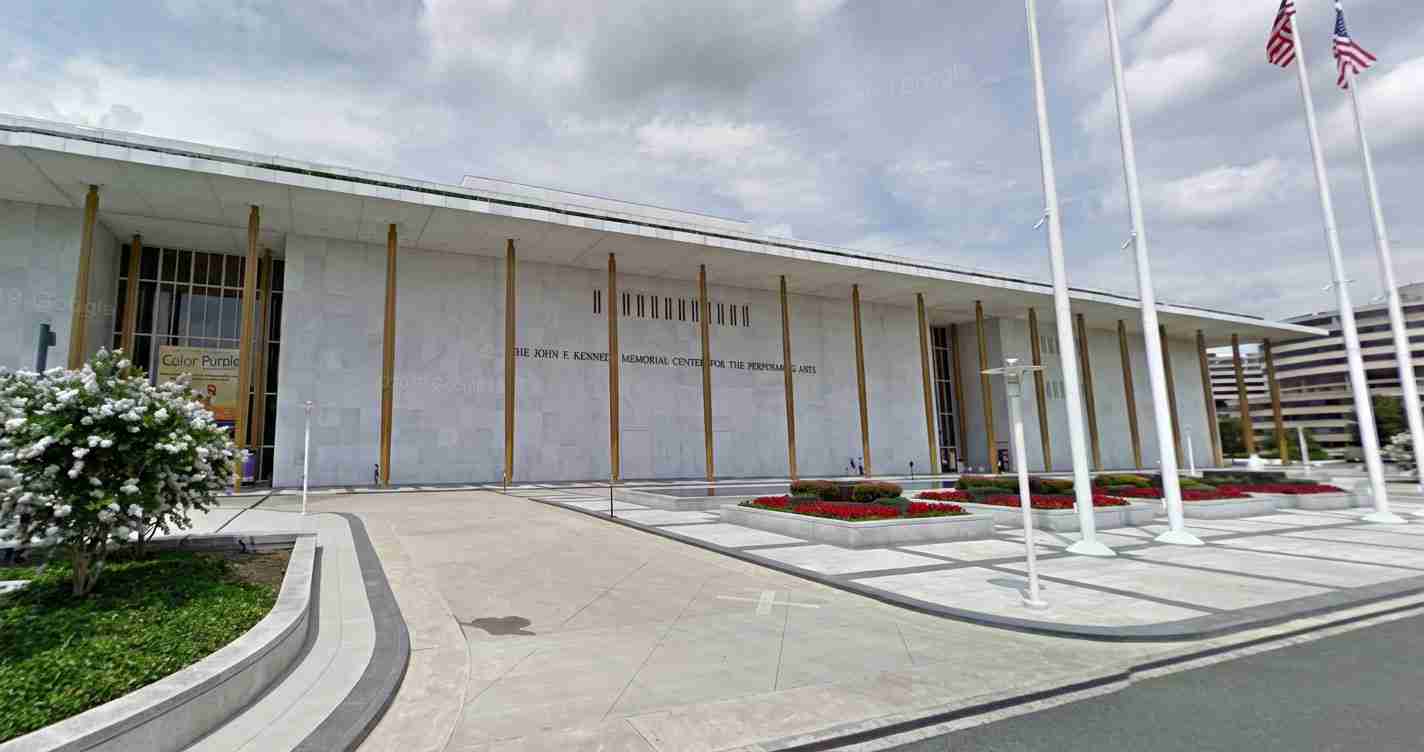
Trump Announces Trump Kennedy Center Will Close July 4 for Two-Year “Complete Rebuilding,” Raising Questions About Funding and Impact
President Donald Trump announced on Feb. 1, 2026, that the Trump Kennedy Center will close July 4, 2026, for about two years for a “complete rebuilding,” a move that raises major funding, legal and operational questions.
- Full shutdown announced: The center will close July 4, 2026, for an estimated two-year “complete rebuilding.”
- Funding unclear: Trump said financing is “completed and fully in place,” but did not disclose costs or sources; see CBS News.
- Operational disruption: Resident ensembles such as the National Symphony Orchestra face relocations or cancellations; reporting from the Washington Classical Review details immediate uncertainty.
- Legal and political fallout: The closure follows a contentious board reorganization and renaming; lawsuits and partisan disputes could affect the plan (CBS News).
What happened
President Trump posted on Truth Social on Feb. 1, 2026, saying the Trump Kennedy Center (formerly the John F. Kennedy Center for the Performing Arts) will fully close on July 4, 2026, and remain shut for about two years for a “complete rebuilding.” He described the goal as creating a “spectacular entertainment complex” and said a yearlong review with contractors and arts advisers supported a full shutdown to accelerate work and improve quality (CBS News).
What Trump said and how the plan was announced
In his Truth Social post, Trump framed the shutdown as the fastest route to “elevate” the center and promised a reopening that would “surpass prior versions.” He called for the closure to begin on the nation’s 250th anniversary and said the decision followed a yearlong review with contractors, arts experts and advisers, but he did not produce technical reports or a cost breakdown (CBS News).
“The center is tired, broken, and dilapidated both financially and structurally,” the president said, while promising funds are “completed and fully in place.”
Background and context
Board reconfiguration earlier in 2025 placed Trump allies in control; a December 2025 vote added Trump’s name to the institution’s exterior, rechristening it the Trump Kennedy Center. The renaming and governance changes have prompted sharp objections from Democrats and cultural leaders and sparked lawsuits alleging the board lacked authority to rename the federal institution without congressional approval (CBS News).
Recent program fallout: Since Trump assumed an active role, several performers and organizations have canceled or pulled events. Composer Philip Glass withdrew the premiere of his Fifteenth Symphony. The Washington National Opera and others have postponed programming amid declining ticket sales and tensions over the center’s direction (Washington Classical Review).
Reactions from arts leaders, staff and lawmakers
Reports indicate confusion among staff—some learned of the closure via the public post rather than internal communication. Resident companies, including the National Symphony Orchestra (NSO), were left uncertain about schedules and job impacts (Washington Classical Review).
Interim Director Richard Grenell publicly supported the plan, saying the center “desperately needs this renovation” and that a brief full closure is the sensible path to speed work and limit disruption (CBS News).
Critics and legal teams—including Democracy Defenders Action and the Washington Litigation Group on behalf of former board member Rep. Joyce Beatty—have signaled legal action. Opponents contend the renaming and shutdown could be used to blunt boycotts or mute dissent (CBS News).
Arts reviewers warned the move was “impulsive” and could conceal broader financial damage; Washington Classical Review questioned whether the plan amounts to demolition or renovation and flagged risks to the center’s artistic mission.
Operational impact on resident companies
The Kennedy Center stages hundreds of performances every year and houses resident ensembles that depend on its stages, rehearsal spaces and box-office systems. A two‑year closure would force relocations, cancellations or compressed seasons, placing strain on D.C. venues and touring routes (Washington Classical Review).
Immediate uncertainties: At the time of the announcement, the center had not released plans for shifting performances, preserving season schedules, or supporting staff and contractors, leaving orchestras, touring companies and educators scrambling.
Questions about funding and oversight
Financing is opaque: Trump stated financing is “completed and fully in place” but provided no cost estimate or breakdown of whether funds are federal, private, or mixed. For a project of this magnitude, the funding source affects taxpayer exposure and approval processes (CBS News).
Board approval and legal constraints: The announcement said the closure is “subject to board approval,” yet critics call the reconstituted board a “rubber stamp.” Pending lawsuits over the December name change and governance could delay, alter or bar the renovation.
Implications for California
Economic ripple effects: California ensembles and touring companies frequently appear at the Kennedy Center. A two-year closure could shift bookings, reduce touring revenue and limit national exposure for West Coast groups (Washington Classical Review).
Touring and education disruptions: Long-planned tours, festivals and educational exchanges that connect California institutions to Washington may be upended, affecting student matinees and cultural partnerships.
Political resonance: For moderate conservative Californians who value fiscal discipline and transparent governance, primary questions include whether federal funds will be used, what oversight mechanisms will apply, and whether the board followed proper procedure when renaming the center.
What to watch next
- Formal approval: Will the Kennedy Center board approve the shutdown, and how will lawsuits affect timing? (CBS News).
- Funding details: Whether federal funds, private donations or other mechanisms will finance the work, and whether Congress or courts will intervene.
- Plans for resident companies: How the NSO and other ensembles will rebook seasons, secure temporary homes or obtain compensation (Washington Classical Review).
- Legal developments: Lawsuits over the renaming and governance could stall or reshape the project (CBS News).
Reporting and sources
Reporting for this story drew on published coverage and public posts, including CBS News, the Washington Classical Review, and a public video of the announcement.
Note: All facts, quotations and URLs in this article are preserved from the original reporting and public posts cited above.



