
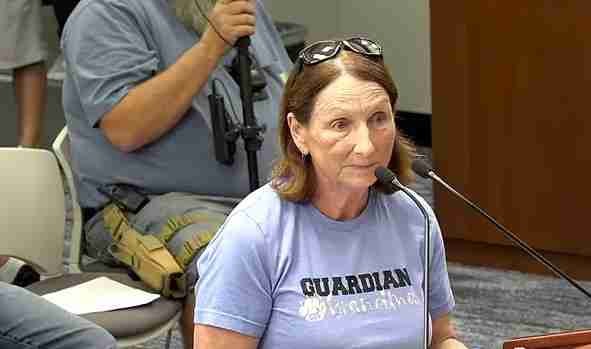
Dearborn residents press city to curb mosque loudspeaker noise as tensions rise over call to prayer
Dearborn residents are pressing city officials over amplified mosque loudspeakers used for the Adhan, sparking multiple noise complaints, police decibel tests and installed monitors as officials weigh legal limits, community tensions and possible ordinance changes.
- Repeated complaints prompted police decibel tests and city-installed monitors to collect ongoing sound data (YouTube video).
- Mixed results: at least one mosque director said police measurements showed the loudspeaker “was not too loud” and were below average rule limits (YouTube video).
- Legal gray area: loudspeakers are banned between 10 p.m. and 7 a.m., but daytime amplified religious speech is not clearly defined in city code.
- Community sensitivity: some neighbors hesitate to complain for fear of being labeled Islamophobic, complicating civic discussion and reporting.
The noise complaint controversy
Residents in parts of Dearborn have for months raised concerns about mosque loudspeakers used for the Adhan, the Islamic call to prayer. Complaints cover daytime and early evening broadcasts and allege amplified sound reaches into yards and homes, prompting repeated calls to police.
Multiple noise complaints have been filed and officers have been dispatched several times to investigate. City officials say police have performed decibel tests at some mosques to determine compliance, and the city has installed monitoring devices to collect ongoing sound data (YouTube video).
City response and council action
Dearborn City Council members, including Council President Mike Sirianni, confirmed investigations were underway. Officers have taken spot decibel readings at sites and inspectors installed longer-term monitors to provide context for enforcement decisions.
Officials emphasize they will review the evidence — both spot tests and continuous monitoring — before proposing changes to enforcement or ordinance language. Council members say they are mindful of the sensitive cultural and religious dimensions and want objective data before acting (YouTube video).
Voices on both sides
Neighbors express a desire to protect their right to quiet while avoiding unfair targeting of a religious minority. One neighbor told Times Media Service they feared speaking up because they did not want to be labeled Islamophobic, which has made public airing of complaints more difficult.
“Some residents are hesitant to raise concerns because they worry it will be seen as an attack on faith, not a request to enforce city rules,” a neighbor told Times Media Service.
Mosque leaders say broadcasts are intended for worship, not to disturb neighbors. Nabeel Bahar, director of the Dearborn Community Center, said police found his loudspeaker “was not too loud” and that measurements were “even below the average of the rules,” urging officials to rely on facts and measurements (YouTube video).
Legal framework and enforcement
Dearborn’s noise ordinance explicitly bans loudspeakers between 10 p.m. and 7 a.m., but daytime amplified religious speech is not clearly spelled out, creating a legal gray area. Officials say enforcement must be based on measurable standards and objective data.
Police have gathered decibel readings and inspectors have set up continuous monitors so the city can compare recorded levels to ordinance limits. Council members say they will consider the data before deciding on rule changes or enforcement adjustments (YouTube video).
How sound is measured
Decibel tests capture momentary loudness and can indicate whether a single event exceeds a limit. Continuous monitors record sound levels over many hours, offering a fuller picture of how loudspeakers affect neighborhoods through daily routines.
Dearborn’s approach — combining spot decibel tests with longer-term monitors — is intended to provide both snapshots and context for fair, data-based enforcement (YouTube video).
Community response and civic process
The dispute has prompted calls for more public meetings and clearer rules. Options under discussion include banning amplified outdoor prayer calls, setting time and volume limits, or adopting directional and distance requirements for speakers.
City leaders, including Council President Mike Sirianni, say they will continue to gather evidence, hear from both sides and avoid actions that could be perceived as discriminatory. Officials encourage formal complaints so issues can be vetted with measurements rather than rumor.
Why some residents are hesitant to complain
Dearborn’s large Arab and Muslim population contributes to a social dynamic where residents may worry complaints will be interpreted as intolerance. That fear can keep problems from being reported and resolved through normal channels.
City officials urge residents to use neutral reporting channels and formal complaint processes so police and inspectors can provide fact-based assessments and reduce interpersonal tensions.
Implications for California, USA
Economic: Similar disputes can affect property values and commerce if unresolved.
Political: Noise disputes may become municipal campaign issues emphasizing quality of life and fair enforcement.
Social & cultural: Cities should balance religious freedom with clear, enforceable rules on amplified sound, speaker direction, hours and decibel limits.
Practical steps for California local councils include reviewing noise ordinances, adopting technical decibel guidance, creating transparent measurement protocols, and providing accessible complaint forms so decisions are based on facts rather than fear.
What comes next in Dearborn
Officials will continue collecting evidence, review decibel and monitoring data, and hold public hearings as needed. Residents and mosque leaders seek a fair process that protects both the right to worship and the right to quiet enjoyment of homes.
As the city considers enforcement adjustments or ordinance language changes, the outcome could serve as a model for other municipalities balancing religious expression, neighborhood standards and noise control (YouTube video).
Source
Times Media Service reporting and recorded city meeting footage: Times Media Service reporting and recorded city meeting footage