Federal Reserve holds rate steady at 3.5%–3.75% as policy makers pause amid soft jobs and sticky inflation
The Federal Reserve’s FOMC voted Jan. 28, 2026, to hold the federal funds rate at 3.5%–3.75%, pausing after prior cuts as officials weigh softer jobs data and persistent inflation above the 2% target, and market expectations.
Key takeaways
- FOMC decision: Committee voted 10-2 to keep the rate at 3.5%–3.75% after three 25‑bp cuts in late 2025 — see the FOMC interest rate decision.
- Dissenting votes: Governors Stephen Miran and Christopher Waller preferred a 25‑bp cut, highlighting internal Fed divisions — reported by LiveNowFox.
- Data picture: Inflation (PCE ~2.9% y/y through December) and softer job gains underpin a cautious, data‑dependent pause — analysis at Fox Business.
Why the Federal Reserve holds rate steady
The Fed’s statement and officials’ comments show a deliberately cautious stance. Policymakers emphasized they will monitor incoming data, the economic outlook and risks to their goals of maximum employment and 2% inflation. That language signals a pause in easing after three small cuts in September, October and December 2025.
For details, see the Fed press release.
“We will be data dependent,” Chair Jerome Powell said, noting the cumulative impact of prior cuts gives the Fed room to wait for clearer trends.
Powell warned against overreacting to short‑term GDP swings and said the committee will assess whether recent progress on inflation continues. The message: no rush — the Fed wants clearer evidence that inflation is returning sustainably to 2%.
The FOMC vote and dissents
The FOMC approved the hold by a 10‑2 margin. Governors Stephen Miran and Christopher Waller voted for a 25‑basis‑point cut, underscoring a split between officials who see room to ease and those seeking firmer confirmation that inflation is on a sustained path toward 2%. Coverage of the vote and dissents is available from LiveNowFox and the Fed statement.
What the data say: jobs, inflation and the goods‑services split
Labor‑market signals have softened: recent reports show smaller job gains and a pause in the steady decline of unemployment. Those developments reduce pressure to hike but also counsel caution about cutting too soon. See reporting at LiveNowFox.
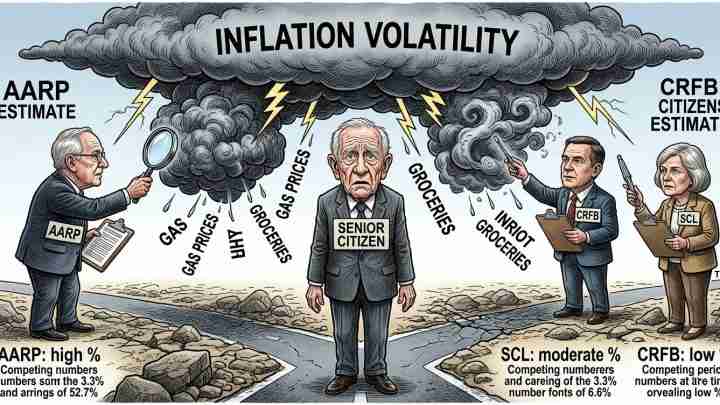
Inflation readings remain above the Fed’s 2% goal. The PCE index ran about 2.9% year‑over‑year through December. Officials see services inflation easing in many pockets, while goods inflation — affected by tariff‑driven cost pressures — could persist until those forces abate. For context and data, consult Fox Business and Trading Economics.
Markets and economists react
Markets largely priced in a hold: futures traders placed high odds on no change at the March meeting, and many economists expect one or two cuts later in 2026 if the labor market weakens and inflation continues to descend gradually. Analysts such as Morgan Stanley’s Ellen Zentner have flagged possible mid‑2026 easing if data improve. See market commentary at Fox Business.
Political and institutional pressures on the Fed
The Fed’s decisions come amid increased political scrutiny. President Trump has urged faster, deeper cuts and publicly criticized policymakers. Reports of subpoenas and oversight activity have added a political layer to the Fed’s public role, but Chair Powell has said policy must follow the data. Coverage of political dynamics is available from LiveNowFox and Fox Business.
Legal matters involving governors — including reporting on the case related to Governor Lisa Cook — have drawn attention and could affect governance if outcomes change board composition.
How the Fed’s language matters for future moves
The FOMC statement stressed monitoring incoming data and risks to both jobs and inflation. That wording keeps options open: if inflation slows and jobs soften, cuts could resume; if inflation reaccelerates or hiring strengthens, the Fed can pause or tighten again. The goal is to avoid policy whiplash from short‑term swings.
Practical effects for markets, consumers and businesses
A hold at current levels means borrowing costs for mortgages, business loans and consumer credit are likely to remain near recent ranges for now. For households and firms, that implies planning stability but continued pressure from inflation if wage and price growth do not ease.
Implications for California
Economic outlook: California may benefit from a measured pause that avoids sudden tightening which could choke growth. The state’s tech and housing sectors are sensitive to moves in interest rates; a steady federal funds rate aids planning for capital raises and mortgages.
Housing and mortgages: A pause in cuts likely means mortgage rates will not fall sharply soon, keeping affordability pressures in many coastal markets. Businesses and jobs: slower national job gains could weigh on hiring in consumer‑sensitive industries, while steady policy gives employers time to adjust.
What Californians should watch next
- Monthly jobs reports and payroll releases for signs of continued softening or renewed strength (LiveNowFox).
- PCE inflation updates and CPI measures to track services vs. goods inflation dynamics (Fox Business).
- Fed communications ahead of the March 17–18 FOMC meeting, when policymakers reassess the data (Fed statement).