BC giant cedar felled despite protections — probe opened into Vancouver Island logging that should have spared 9.15‑foot tree
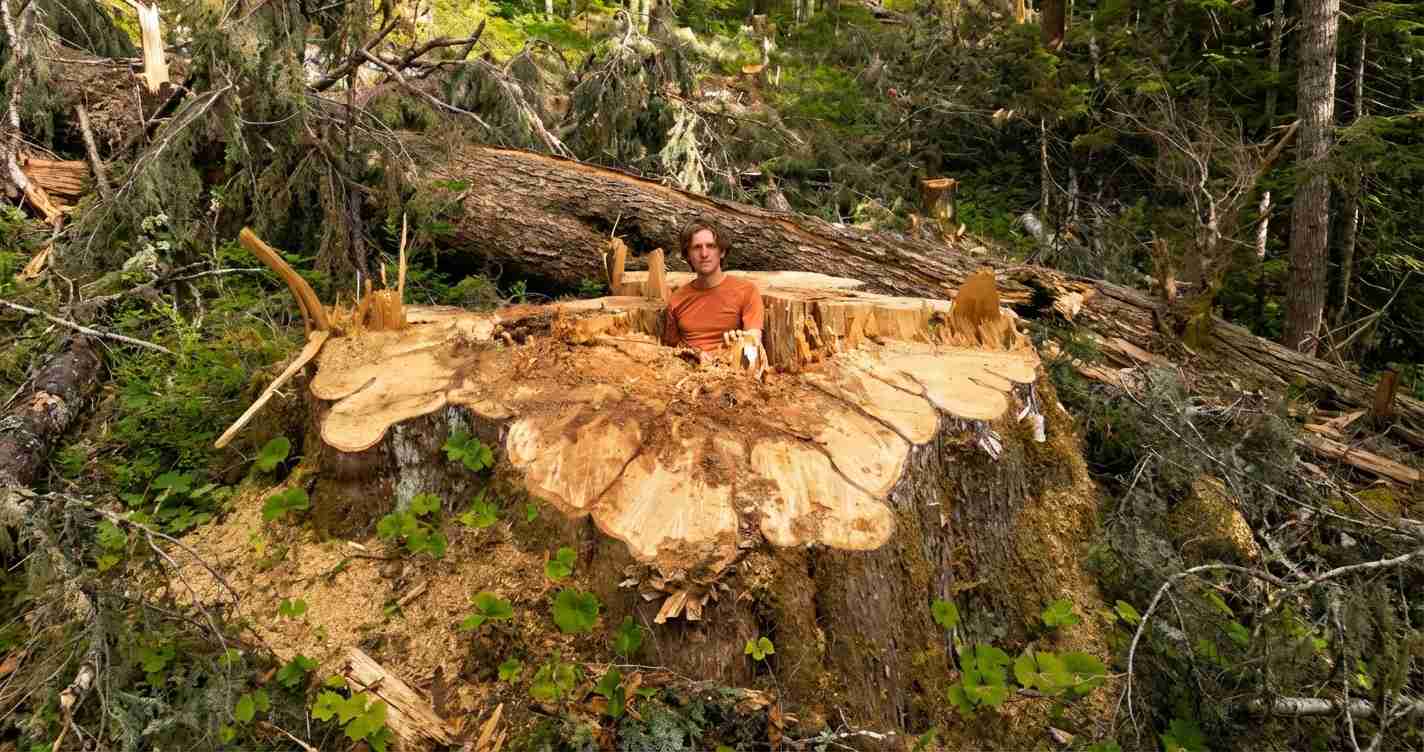
A 2.79‑metre (9.15‑foot) yellow cedar was cut during a provincially approved logging operation south of Gold River on Vancouver Island, prompting a BC Forests Ministry investigation because it exceeded the 2.65‑metre threshold for protected “specified trees.”
Key takeaways
- Protected threshold exceeded: the felled yellow cedar measured 2.79 m (9.15 ft) DBH, above the 2.65 m cutoff that triggers Special Tree Protection.
- Self‑reporting system: operators are responsible for identifying and reporting qualifying trees within 30 days; exemptions may be sought from the minister.
- Investigation launched: complaint by Joshua Wright prompted the BC Forests Ministry probe; enforcement tools and penalties exist if the law was breached.
What happened
Incident summary: During a provincially approved logging operation south of Gold River, a yellow cedar marked by spray paint was felled by June. Independent observer Joshua Wright measured the tree at 2.79 metres DBH — larger than the 2.65 m threshold that would normally designate it a protected specified tree. Wright filed a complaint that triggered an investigation by the BC Forests Ministry.
Accountability note: Because the regulation depends on operators to identify and report qualifying trees, failure to report or the use of exemptions can allow protected trees to be removed without immediately triggering statutory protections.
“The felling was reported by Joshua Wright, who measured the tree and filed a complaint. The BC Forests Ministry confirmed it has opened an investigation.”
How the Special Tree Protection Regulation is supposed to work
Enacted in 2020 under the Forest and Range Practices Act, the Special Tree Protection Regulation lists species, location criteria and minimum DBH measurements that qualify a tree as a specified tree. For yellow cedar the cutoff is 2.65 metres DBH. When a tree qualifies, it should not be cut, damaged or destroyed during primary forest activities, and a 56‑metre radius of supporting trees is also protected unless a ministerial exemption is granted.
The regime places the initial burden on forestry operators: they must identify qualifying trees and submit latitude/longitude, species and authorization details within 30 days of becoming aware. The minister can approve exemptions for safety, access or other reasons; such exemptions require post‑activity notice within 30 days. A narrow road exception permits limited removal of supporting trees for maintenance.
Investigation, reporting and enforcement
Trigger: Joshua Wright’s complaint and measurements triggered the current probe. The BC Forests Ministry has confirmed the investigation is ongoing and said enforcement tools and penalties exist if the regulation was violated.
Reporting system limits: Because operators self‑report, delays or omissions in reporting can prevent timely verification. Critics argue the system creates accountability gaps during active harvests, and conservation groups and independent monitors have raised concerns about reliance on industry identification.
Responses from authorities and stakeholders
The BC Forests Ministry provided limited public details about the probe. Forests Minister Bruce Ralston’s office said enforcement mechanisms exist and could be applied if the law was broken. Industry representatives stress overlapping approvals, operational safety and access constraints and note that the regulation allows ministerial exemptions when justified.
Critics: environmental groups and local observers argue the high size thresholds and operator‑led reporting undermine confidence that protections are consistently applied.
Broader context: scale, thresholds and public concern
The Special Tree Protection Regulation covers roughly 1,500 trees provincewide — a small fraction of B.C.’s forests. In 2019 the province identified 54 particularly notable trees for protection with buffers, but many conservationists view the program as too narrow. Thresholds set at very large diameters leave many old and ecologically valuable trees unprotected, and single oversights can remove trees the public expects to be safeguarded.
Community monitors and tree hunters have often been the first to spot potential violations during rapid harvesting operations, highlighting questions about independent verification and public transparency.
Implications for California
Economic and regulatory lessons: California’s forest regulators and operators may note that self‑reporting systems increase legal and reputational risk unless paired with rapid, transparent verification and public disclosure of exemptions.
Policy takeaways: Consider tighter reporting timelines, independent audits or community‑based verification, and timely public disclosure of exemptions and enforcement actions to reduce disputes and preserve social license for forestry operations.
Voices on the ground
Local citizens, small conservation groups and independent tree hunters have long mapped and championed old trees in B.C. They say local reporting — like Wright’s — is often the only immediate check on what happens during harvests. Industry advocates emphasize balancing conservation with jobs and the availability of exemption procedures when safety and access are constrained.
Reporting sources and further reading
- Global News coverage: “BC cedar big tree protection law”
- Special Tree Protection Regulation (BC)
- Endangered Ecosystems Alliance background
- Commentary on ancient tree protection
Reporting for Times Media Service