Bondi Beach hero tackles gunman, hailed for saving lives during Bondi Hanukkah attack
Ahmed al‑Ahmed, 43, tackled one of two gunmen during an antisemitic mass shooting near Bondi Beach in Sydney on Sunday at a Hanukkah event, disarming him and sustaining multiple gunshot wounds while helping many others escape.
Key takeaways
- Two attackers opened fire at a Hanukkah gathering near Bondi Beach, killing at least 15 people and wounding many others (see video footage).
- Ahmed al‑Ahmed intervened, tackling and disarming one attacker and absorbing multiple gunshot wounds, actions credited with saving lives (see eyewitness video).
- Authorities treated it as a terrorist act with an antisemitic motive; one suspect was killed by police and the other arrested.
- Policy questions follow: investigators and politicians are focusing on how the weapons were acquired and whether new gun‑law changes are needed.
The attack and Ahmed al‑Ahmed’s actions
Eyewitness video and accounts describe a chaotic scene near Bondi Beach on the first day of Hanukkah when two men opened fire at a public gathering and at people on the nearby beach. As people fled, Ahmed al‑Ahmed moved from cover behind a car and rushed a shooter, wrapping his arms around the attacker and wrestling the firearm away. The struggle ended when the second gunman fired several shots at al‑Ahmed; some bullets reportedly remained lodged in his body when he arrived at St George Hospital (see eyewitness video and scene footage).
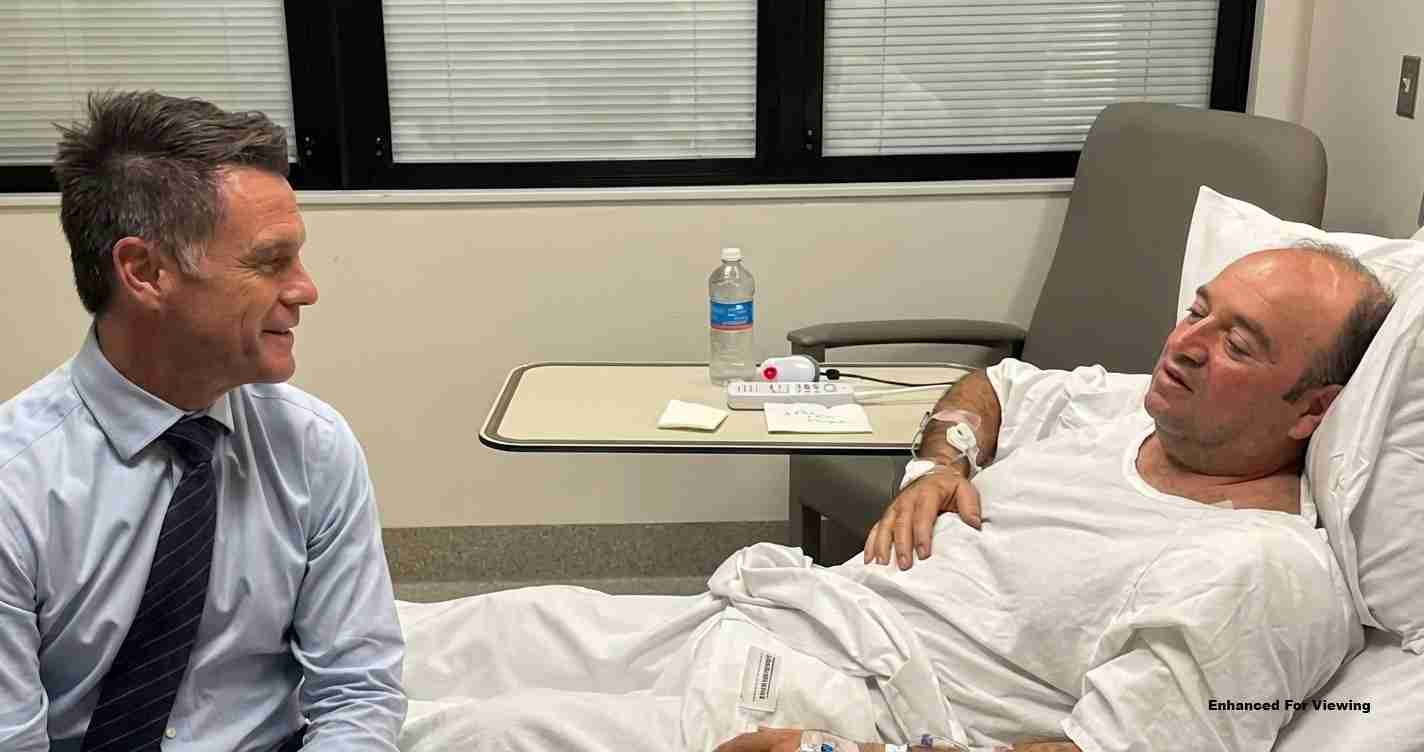
“What can I even say? I went through a tough time that only God knows about,”
— Ahmed al‑Ahmed, speaking from his hospital bed and asking for prayers while urging unity.
Who Ahmed al‑Ahmed is
Reports identify al‑Ahmed as a 43‑year‑old father of two, born in Australia with parents recently arrived from Syria. Neighbors and family characterize him as quiet and family‑oriented; his rapid decision to confront the attacker has been framed as an act by an “everyday Australian” stepping forward in crisis (see interview clip).
Public and official reaction
Family, witnesses and politicians have praised al‑Ahmed. New South Wales Premier Chris Minns called him a “real‑life hero”, while Prime Minister Anthony Albanese and Home Affairs Minister Tony Burke publicly commended those who helped during the attack. Coverage has used labels from “hero” to “national” and “international hero” (see news reports).
Police treated the event as a terrorist attack motivated by antisemitism. One attacker was fatally shot by police and the other arrested; authorities say the two suspects were reportedly father and son. Investigations continue into planning, motives and how the weapons were obtained (see official statements).
Guns, policy and investigative questions
Australia’s post‑Port Arthur gun reforms are among the strictest globally, yet officials note that one suspect had legally acquired six firearms over the past decade. That fact has prompted new scrutiny of licensing, storage, background checks and enforcement.
Investigators will pursue multiple lines of inquiry, including:
- How the suspects obtained and registered the weapons they used.
- Whether gaps existed in background checks, storage rules, or enforcement.
- What warning signs, if any, were missed by family, community or authorities.
Political consequence: Prime Minister Albanese has vowed to propose stricter gun laws in the wake of what officials call the nation’s deadliest mass shooting in decades (see coverage).
Why Ahmed al‑Ahmed’s story matters
Al‑Ahmed’s intervention is a rare example of a civilian confronting an active shooter and surviving to tell the story. For many observers, his actions underscore the human cost of terror and the capacity of individual courage to limit harm. Media and officials describe his response as a catalyst for national conversations about public safety, community resilience, and the limits of legislation to prevent lone violent acts (see eyewitness accounts).
Implications for California
Economic impact: Tourism and local business confidence in beachfront areas can be affected; California coastal towns may seek visible security and crisis planning to reassure visitors.
Political consequences: The attack is likely to intensify national debates on enforcement, loopholes, and targeted reforms rather than broad bans; moderate conservatives may press for stronger background checks and better mental‑health reporting.
Social effects: Local Jewish and faith communities may increase security at public events while expanding interfaith outreach to counter hate; leaders may emphasize unity and condemn antisemitism.
Practical applications:
- Review event security plans for public gatherings and beachfront festivals.
- Invest in training for rapid crowd evacuation and active‑shooter response.
- Examine cross‑jurisdictional firearm data sharing and legal purchase tracking.
Sources and further reading
Video reports and eyewitness accounts cited in this article: video footage and eyewitness video.
This reporting draws on on‑scene video, interviews with witnesses and officials, and statements given by police and political leaders as those sources were made available from the Times Media Service and media partners.