Trial of Zoe Rosenberg in Petaluma brings Sonoma County slaughterhouses into national spotlight
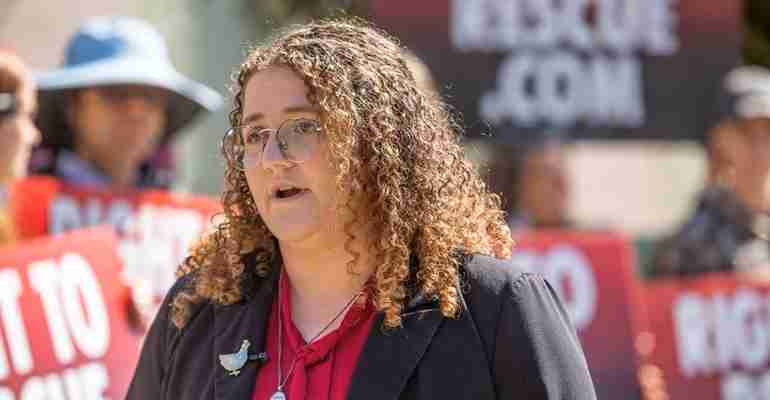
Zoe Rosenberg, 23, stands trial in Santa Rosa after being charged with stealing four chickens from Petaluma Poultry in June 2023. Her defense claims serious animal neglect, turning the case into a national debate over slaughterhouse practices and rescue law.
- Defendant: Happy Hen Animal Sanctuary founder Zoe Rosenberg, 23.
- Alleged incident: Removal of four chickens from a truck at Petaluma Poultry in June 2023 — reported by ABC News.
- Charges: One felony conspiracy count and three misdemeanors (trespassing, theft, vehicle tampering); sources include ABC News and Sentient Media.
- Potential sentence: More than five years if convicted on all counts, according to ABC News.
- Trial timeline: Began Sept. 15, 2025, in Santa Rosa and is expected to run into late October — details at Right to Rescue.
Key issues at trial
Prosecution focus: Sonoma County prosecutors say this is a case about breaking the law, not motive. The District Attorney’s office told jurors the facts will show Rosenberg crossed property lines and interfered with a commercial transport — statutes on trespass, theft and vehicle tampering apply regardless of an actor’s concern for animal welfare (ABC News).
Evidence and alleged planning
Court filings and witness testimony describe Rosenberg and others approaching a Petaluma Poultry truck, removing four birds and recording the episode for online sharing. Video taken by Rosenberg has been entered into evidence; prosecutors assert the actions show planning sufficient to meet the elements of a conspiracy charge (ABC7 Bay Area).
Defense claims and veterinary findings
Defense position: Rosenberg’s attorneys say she removed the birds after veterinary consultation and believed the animals faced imminent harm; they present the actions as an open rescue used by groups such as Direct Action Everywhere / Right to Rescue (SF Chronicle).
Veterinary exams after the removal found the chickens infected with Coccidia parasites; some birds had additional injuries and infections. The animals — named Poppy, Ivy, Aster and Azalea — were reportedly lethargic, unable to stand, and had trouble eating or drinking when taken from the truck; they now reside at a sanctuary (Sentient Media; SF Chronicle).
Broader legal and ethical questions
The defense may assert a form of necessity or justify civil disobedience under animal cruelty concerns. Legal experts note California’s cruelty statutes are not often used to justify private rescues, and courts will likely balance property rights and public safety against any such defense (ABC News).
“The case is about breaking the law, not about motivation,” prosecutors told jurors, emphasizing that trespass and theft statutes apply regardless of concern for animal welfare.
Attention on Petaluma Poultry and slaughterhouse practices
Petaluma Poultry markets higher-welfare practices but activists and campaign pages allege humane-washing — promoting better conditions than outside inspections and undercover videos reveal (Sentient Media; Right to Rescue).
National coverage uses the Rosenberg proceedings to discuss oversight gaps and routine conditions in large-scale poultry operations; industry representatives defend standards and call isolated episodes unrepresentative (ABC7 Bay Area).
Public reaction and advocacy
The trial has generated protests, online fundraising and organized rallies. Groups like Direct Action Everywhere / Right to Rescue press for prosecuting slaughterhouse operators for cruelty rather than rescuers; supporters highlight Rosenberg’s sanctuary work and compassion.
Opponents — including business groups, local residents and farmers — argue enforcement of trespass and theft laws is essential to protect public safety, food supply chains and commerce (ABC News).
Media coverage and national discourse
Major outlets are pairing courtroom updates with investigations into farm practices, enforcement gaps, and protest tactics used by modern animal activists. Podcasts and advocacy platforms have kept the story in public view beyond local courtrooms (ABC News; SF Chronicle; Our Hen House).
Implications for California
Economic: Sonoma County and agricultural communities rely on stable supply chains; courts or prosecutors broadening excuses for private rescues could prompt increased security costs and potential supply disruptions (ABC News).
Political: Lawmakers in Sacramento may face pressure to clarify statutes on animal rescue, cruelty reporting, and penalties for interference with agricultural operations (SF Chronicle).
Social & cultural: The case sharpens debate over compassion for animals versus property rights and public safety in communities proud of local food culture (Sentient Media).
Practical takeaways for stakeholders
- Law enforcement and regulators may need clearer protocols when activists report suspected abuse.
- Farmers and processors might review transport, holding practices and veterinary oversight.
- Consumers seeking animal-welfare assurances may look more closely at labels and third-party audits.
Sources and further reading
- ABC News wire coverage
- ABC7 Bay Area
- San Francisco Chronicle
- Sentient Media reporting on the rescued chickens
- Direct Action Everywhere / Right to Rescue campaign pages
- Our Hen House podcast coverage
The trial will continue with witness testimony and legal argument in the coming weeks, as jurors weigh competing claims about animal welfare, property rights and where the law draws the line between protest and criminal conduct (Right to Rescue; ABC News).