NGOs File Whale Protection Lawsuit in California, Seeking Ship Speed Limits and Reroutes to Prevent Ship Strikes
Environmental groups sued federal agencies seeking immediate protections for whales off California, asking courts to impose vessel speed limits, seasonal reroutes and stricter pollution controls to reduce lethal ship strikes and cumulative harm to endangered species.
- Legal action: Center for Biological Diversity press release and Friends of the Earth press release filed suit against federal agencies.
- Interim remedies sought: mandatory speed limits, seasonal reroutes from whale hotspots, and stricter ship emission controls.
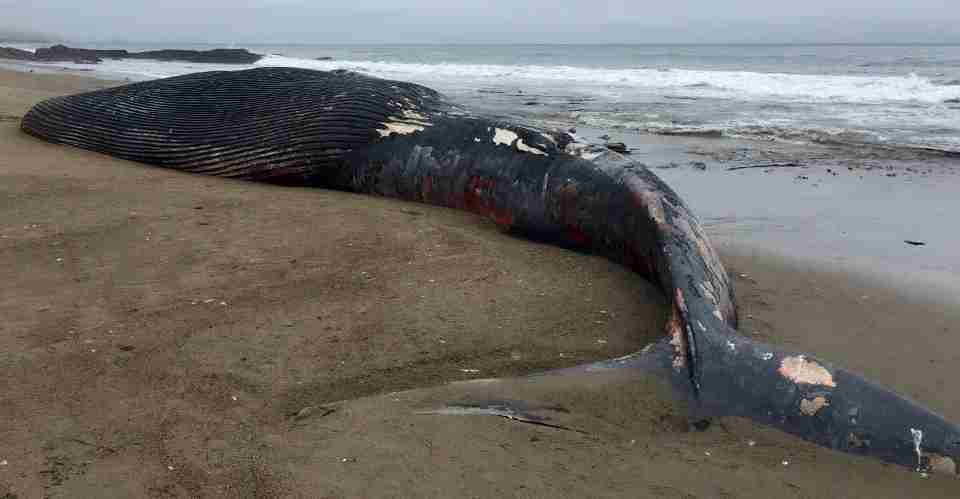
- Scientific concern: ship strikes are among the leading human causes of whale mortality off California, with studies estimating tens to dozens of deaths annually.
- Wider stakes: the case balances conservation goals with economic impacts on major ports and coastal communities.
What the lawsuit says
The complaint argues that federal management of commercial shipping lanes near major California ports — including Los Angeles, Long Beach and the approaches to San Francisco Bay — fails to meet legal requirements to protect marine wildlife. Plaintiffs contend agencies did not adequately assess how shipping-lane designations and vessel routing increase collision risk for whales and sea turtles, and that agencies neglected required processes under the Ports and Waterways Safety Act and other environmental laws.
Plaintiffs are the Center for Biological Diversity and Friends of the Earth, and defendants named include the U.S. Coast Guard and NOAA Fisheries.
Remedies sought
The environmental groups ask the court for immediate, practical steps while broader policy changes proceed. Requested interim measures include:
- Mandatory vessel speed limits in defined high-risk areas to reduce both the chance and lethality of strikes (Center for Biological Diversity press release).
- Rerouting commercial traffic away from known whale “hot spots” during migration and feeding seasons (Friends of the Earth press release).
- Stronger controls on ship emissions to reduce air pollution and related harms to coastal communities and marine life (Missoula Current coverage).
- Formal environmental review of ship routing and management before continuing current practices.
Scientific context: how big is the problem?
Scientists and conservationists note that ship strikes are one of the leading human causes of whale deaths off California. Official counts likely understate the toll because carcasses can sink or go unreported. Some analyses estimate vessel strikes could kill as many as 80 whales a year along the West Coast, while advocates warn the true number may be higher (Friends of the Earth; Center for Biological Diversity).
Recent mortality events are notable: conservation groups report at least eight to ten gray whales killed by suspected ship strikes in the San Francisco Bay Area as of mid-2025. The Santa Barbara Channel and the approaches to San Francisco Bay are highlighted as especially risky because they overlap with migration and feeding areas while supporting heavy commercial traffic (Center for Biological Diversity earlier release; Missoula Current).
Beyond collisions, underwater noise can mask whale calls and disrupt feeding and navigation, while ship emissions contribute to local air-quality problems regulated by state and local authorities. Plaintiffs argue cumulative impacts must be evaluated alongside collision risks (Center for Biological Diversity).
Legal arguments and demands
The suit centers on two primary legal claims: (1) agencies failed to properly consult and assess risks when designating shipping lanes and (2) agencies did not follow required processes under federal environmental laws. Plaintiffs seek a court order for immediate environmental review and the implementation of protective measures without waiting for lengthy rulemaking (Friends of the Earth; Missoula Current).
“Every season that passes without stronger rules means more risk to endangered whale species,” the plaintiffs wrote, emphasizing urgency and preventability.
Federal response and history of litigation
The U.S. Coast Guard generally does not comment on pending litigation. NOAA Fisheries has previously engaged ports and industry on voluntary measures and studies to reduce risk, but conservation groups argue voluntary action has been insufficient. A 2022 federal court ruling already pushed agencies to reevaluate protections near California ports; this lawsuit aims to accelerate additional action (Missoula Current; SeafoodSource coverage).
Industry groups and port authorities stress the importance of shipping lanes and port access for commerce and jobs. They warn that forced reroutes or broad speed restrictions could add costs, delay deliveries and affect supply chains — tradeoffs the courts will likely consider (StarConcord summary; SeafoodSource).
Implications for California
Economic and port operations
Major ports — Los Angeles, Long Beach and San Francisco Bay terminals — are central to California’s economy. Court-ordered speed limits, seasonal reroutes or emission rules could affect shipping schedules and costs, possibly raising prices for goods and slowing turnaround. Ports may, however, plan phased changes to limit sharp disruptions (StarConcord; Missoula Current).
Public health and coastal communities
Stricter ship fuel and speed rules could lower air pollution near ports, offering public-health benefits for often disadvantaged neighborhoods. Reduced underwater noise could also support tourism and recreation by sustaining healthier marine ecosystems that attract whale-watch visitors, benefiting local economies (Center for Biological Diversity).
Conservation and species recovery
Immediate protective measures could lower mortality and improve recovery chances for endangered whales — including gray, blue, fin and humpback whales. Changes to shipping behavior in hotspots could directly reduce deadly collisions in key feeding and migration areas (Friends of the Earth).
Legal and political consequences
The lawsuit increases pressure on federal agencies to act. If a court orders interim measures, federal and state officials will need to coordinate with ports and industry to implement them. Lawmakers may face constituent pressure from both conservation advocates and businesses seeking balanced policies (Missoula Current).
What comes next
The case was filed in federal court with requests for immediate relief while broader policy reviews proceed. Agencies typically require time to respond, and courts may set schedules for briefs, discovery and hearings. Regardless of short-term outcomes, the suit is likely to intensify debate over protecting endangered whales while maintaining port commerce (Center for Biological Diversity; Friends of the Earth).
Sources and further reading
- Center for Biological Diversity press release
- Friends of the Earth press release
- Missoula Current coverage
- SeafoodSource coverage
- StarConcord summary
- NOAA Ship Strike information
Reporting by Times Media Service.