Trump orders Christmas Day airstrikes on ISIS in Nigeria, says action was retaliation for attacks on Christians
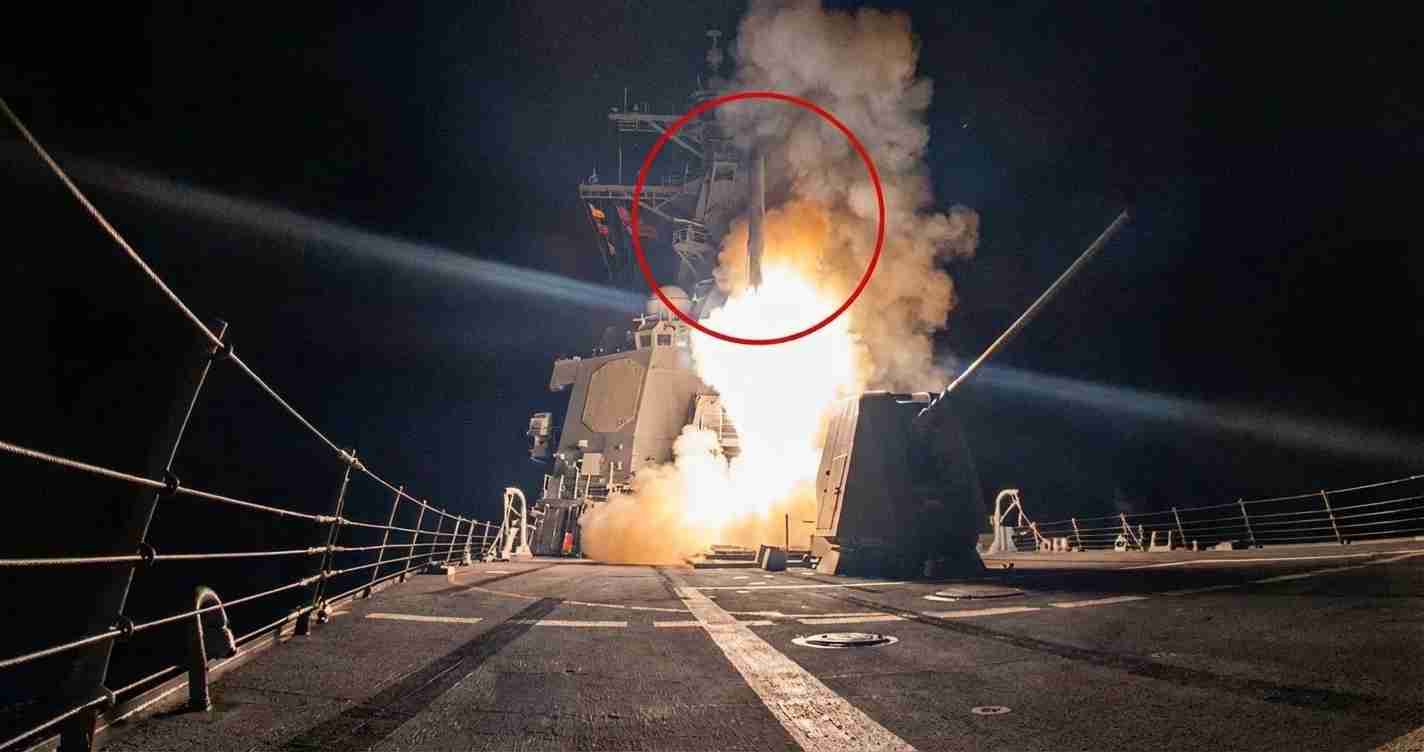
On December 25, 2025, U.S. forces carried out surprise airstrikes on ISIS-linked positions in northwest Nigeria at President Donald Trump’s direction, actions he called retaliation for attacks on Christians while Nigeria said the violence affects all civilians.
Key takeaways
- Operation date: December 25, 2025 (Christmas Day).
- Who acted: U.S. forces struck ISIS-affiliated targets in northwest Nigeria at President Trump’s direction — sources include video report and video report.
- President’s rationale: Trump described the strikes as retaliation for militants “slaughtering” Christians and warned more force would follow if attacks continued (video report).
- Nigerian government view: Abuja says the violence affects many civilians and communities and is “not about religion,” while acknowledging cooperation with U.S. intelligence (video report).
What happened on Christmas Day
U.S. aircraft struck positions linked to ISIS in northwest Nigeria on Dec. 25, according to media reports and statements attributed to the White House. President Trump framed the operation as a response to a pattern of attacks he said were aimed at Christians and publicly announced the strikes.
The president said he had delayed action from Christmas Eve to deliver a “Christmas present” to militants and warned that more strikes would come if attacks continued. Officials and government statements reported the strikes killed multiple militants, though independent confirmation remains limited (video report).
Trump’s statements and earlier warnings
Officials and video briefings said Mr. Trump publicly warned last month he would take actions in Nigeria “that Nigeria is not going to be happy about” if violence continued. He followed that warning with the Christmas Day strikes and used forceful language — promising
“hell to pay”
for militants who did not stop attacking civilians.
Analysis: For a national-security audience, the remarks underscore a direct U.S. willingness to use force to protect vulnerable groups abroad. At the same time, they raise questions about intelligence vetting and coordination with partner governments before strikes inside another sovereign state.
Nigerian government pushback and local realities
Abuja has pushed back on the idea that violence is aimed solely at Christians, saying attacks target “innocent civilians and the wider region”. Officials emphasized that the conflict is driven by a mix of banditry, criminal networks and extremist ideology, not a simple sectarian war. The government nonetheless acknowledged it provided intelligence and welcomed U.S. cooperation (video report).
Local clergy and community leaders, however, report targeted attacks on Christian villages and accuse some militants of trying to drive Christians from certain areas. That tension complicates international messaging and policy, and helps explain divergent public accounts (video report).
Scope, casualties and verification
At this stage, independent confirmation of casualty numbers, exact strike locations and identities of those killed is limited. The White House and U.S. officials said multiple militants were killed, but public details are sparse. Journalists and analysts are seeking further on-the-ground verification; available accounts rely heavily on official statements and video briefings (video report, video report).
U.S. cooperation with Nigeria
Media reports indicate Nigerian intelligence helped identify targets and that Abuja praised U.S. operational support. That level of coordination suggests partnership on counterterrorism objectives, though the administration’s public emphasis on protecting Christians is a notable rhetorical choice with diplomatic consequences (video report).
Context: militants, bandits and governance
Experts say northwest Nigeria’s violence is complex: some fighters have links to ISIS networks while others are local bandits exploiting governance gaps, poverty and local disputes. As one former envoy observed, airstrikes draw attention to the problem but will not by themselves resolve deep-rooted causes such as corruption and weak institutions (video report).
Reporting limits and verification
Available reporting is based largely on official statements, video briefings and online news segments. Independent, on-the-ground verification by international journalists or NGOs has been limited in the immediate aftermath, leaving casualty figures and tactical details unconfirmed. Reporters are seeking further confirmation from local sources and humanitarian groups (video report, video report).
Implications for California
Although the strikes occurred far from California, the political, economic and humanitarian reverberations could be felt in the state through debates over defense posture, constituency concerns, and support networks for affected communities.
Economic and political ties
- National security spending and posture: Renewed debate on U.S. military posture may influence federal defense spending discussions that touch California contractors and bases.
- Economic ripple effects: Direct economic effects on California should be limited in the short term, though persistent intervention patterns could indirectly affect markets relevant to California businesses.
Political and social consequences
- Community concerns: California’s Nigerian and African diaspora communities will monitor the situation closely and may call for transparent reporting about civilian harm.
- Religious and civic debate: The U.S. framing highlighting attacks on Christians will resonate with some constituencies while prompting calls for cautious diplomacy from others.
Legal and ethical questions
- Oversight and accountability: California members of Congress and oversight bodies may press for information on legal authority, intelligence vetting and civilian-protection measures.
- Humanitarian concerns: Nonprofits and faith groups may prepare to respond if displacement increases, and local service providers could see demand for refugee support.
Practical impact on daily life
For most Californians, immediate daily life effects will be limited. Still, the event may shape public attitudes about foreign policy, defense budgets and how force is balanced with diplomacy. Local leaders might organize briefings or panels to explain developments and coordinate humanitarian outreach.
Reporting notes and sources
This report relies primarily on official statements and online video briefings. Primary referenced material includes the following video segments and reports:
Additional context was drawn from coverage by outlets including NBC News and PBS NewsHour; however, publicly available information remains limited and independent verification of casualties and exact strike details is ongoing.