Alleged Tyler Robinson Makes First In-Person Court Appearance as Utah Judge Seals Proceedings; Media Coalition Seeks Access in Charlie Kirk Assassination Case
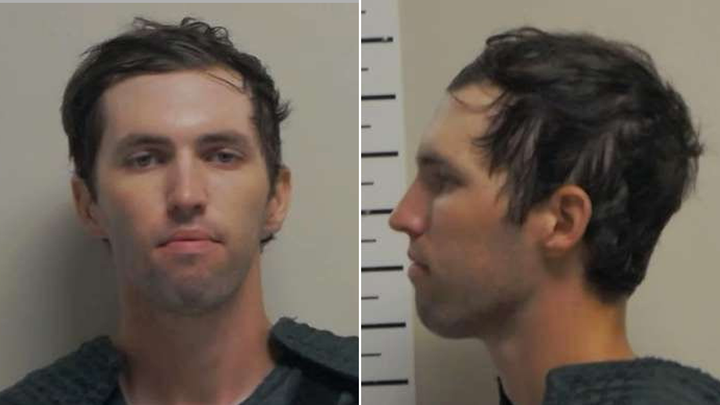
Tyler James Robinson, 22, appeared in person Thursday in a Utah courtroom on charges including aggravated murder in the fatal shooting of conservative activist Charlie Kirk; Judge Tony Graf ordered the hearing closed and a media coalition is seeking access.
Key takeaways
- First in-person appearance: Robinson’s initial in-person hearing was closed to the press by Judge Tony Graf.
- Serious charges and evidence: He faces aggravated murder and related counts; prosecutors cite DNA, private messages and planning evidence.
- Media access fight: A coalition of news organizations is demanding entry to the sealed proceedings to preserve public transparency.
- Broader impact: The case has spurred debate over courtroom openness, event security and political polarization, notably affecting California institutions and policy discussions.
Main story
What happened
Prosecutors say Charlie Kirk, a conservative activist and founder of a national organization, was fatally shot in the neck while speaking at an outdoor event at Utah Valley University. Authorities allege the shot was fired from a rooftop roughly 142 yards away, prompting a large, multiagency investigation and nationwide political reaction.
Robinson allegedly surrendered on Sept. 11, 2025, after a 33-hour manhunt; reports indicate his parents recognized him from released images and that he drove to the sheriff’s office with his father and another man. Utah officials, including Governor Spencer Cox, have identified Robinson as the sole suspect.
Evidence and alleged motive
Law enforcement and prosecutors cite several pieces of evidence they say tie Robinson to the rooftop shooting: DNA matches to a towel wrapped around a suspected rifle and to a screwdriver found on the rooftop, private messages describing a rifle and scope, and planning traced to private online communications.
Authorities have said the alleged motive stemmed from Robinson’s opposition to Kirk’s views on gender and LGBTQ issues, and reporting notes tension with his conservative Mormon family. Court filings also reference cooperation from a roommate who expressed shock in interviews cited by investigators.
Charges and potential penalty
Formal charges were filed on Sept. 16, 2025. Robinson faces aggravated murder, felony discharge of a firearm, two counts of obstruction of justice, two counts of witness tampering, and violence in the presence of a child. Prosecutors have signaled plans to seek the death penalty, citing alleged political motivation and the presence of children as aggravating factors under Utah law.
Court appearance and sealed proceedings
Thursday’s in-person hearing — Robinson’s first after prior virtual appearances — was closed to the public and media after Judge Tony Graf moved to limit access. Media outlets and press freedom groups immediately challenged that decision and sought clarity under Utah court rules and the U.S. Constitution.
Coverage described the judge considering media access before ordering the proceedings sealed; reporting did not detail substantive rulings at that appearance. The move prompted filings and public statements from media representatives demanding transparency.
For video coverage of the hearing, see coverage of the hearing. For related media-access reporting, see media access dispute.
Legal stakes and transparency debate
Legal experts note judges may limit access in narrow circumstances — to protect witnesses, preserve juror impartiality, or safeguard confidential evidence — but emphasize that full courtroom closures are exceptional. Media lawyers argue restrictions should be narrowly tailored and alternatives like redaction or partial closure should be considered first.
“Sealing proceedings in a case of immense public interest raises serious questions about transparency,” said media advocates; Charlie Kirk’s widow has also publicly warned that secrecy could hide facts from the public.
Date discrepancy and reporting note
Some reports and public records show differing dates for Robinson’s first in-person hearing, with references to Nov. 11 and Dec. 11, 2025. Given the timeline and that the hearing was reported to fall on a Thursday, sources note a likely reporting error; this discrepancy has not been resolved publicly.
Implications for California
Economic impact
- Security costs: Colleges and event organizers may increase spending on metal detection, rooftop sweeps and perimeter monitoring — expenses that could be passed to ticket buyers or institutions.
- Legal and insurance costs: Promoters and venues may face higher liability premiums and legal expenses for hosting controversial speakers.
Political consequences
- Polarization and turnout: The case has energized political bases and may shape campaign rhetoric, law-and-order messaging and turnout in California races.
- Policy debates: Lawmakers may face pressure to revisit campus safety and event security rules, balancing enforcement with civil liberties.
Social effects
- Campus climate: Students and faculty may feel increased anxiety about open forums and guest speakers; administrators will need clear communication and safety plans.
- Community divisions: High-profile political violence can deepen social divides and prompt calls for de-escalation from community leaders.
Cultural relevance
The case raises questions about balancing free speech and safety, youth mental health, online radicalization and the role of family and faith communities in prevention. These themes resonate in California political and civic debates.
Practical applications for residents
- Event attendance: Expect tighter security and clearer entry rules at public events and campus speaking engagements.
- Reporting and public records: Local media and residents should monitor court filings and advocacy group motions that could affect access to information.
- Personal safety: Report suspicious behavior to authorities and follow venue safety guidance.
Sources and reporting
This article draws on public reporting and court coverage, including a summary timeline on Wikipedia: Assassination of Charlie Kirk, and video coverage of the court hearing and media access dispute: video: media access dispute and video: court hearing.
Note: Journalists covering the case continue pressing for clarity on sealed proceedings and a consistent public record. The dispute over media access remains central as the criminal case proceeds in Utah.