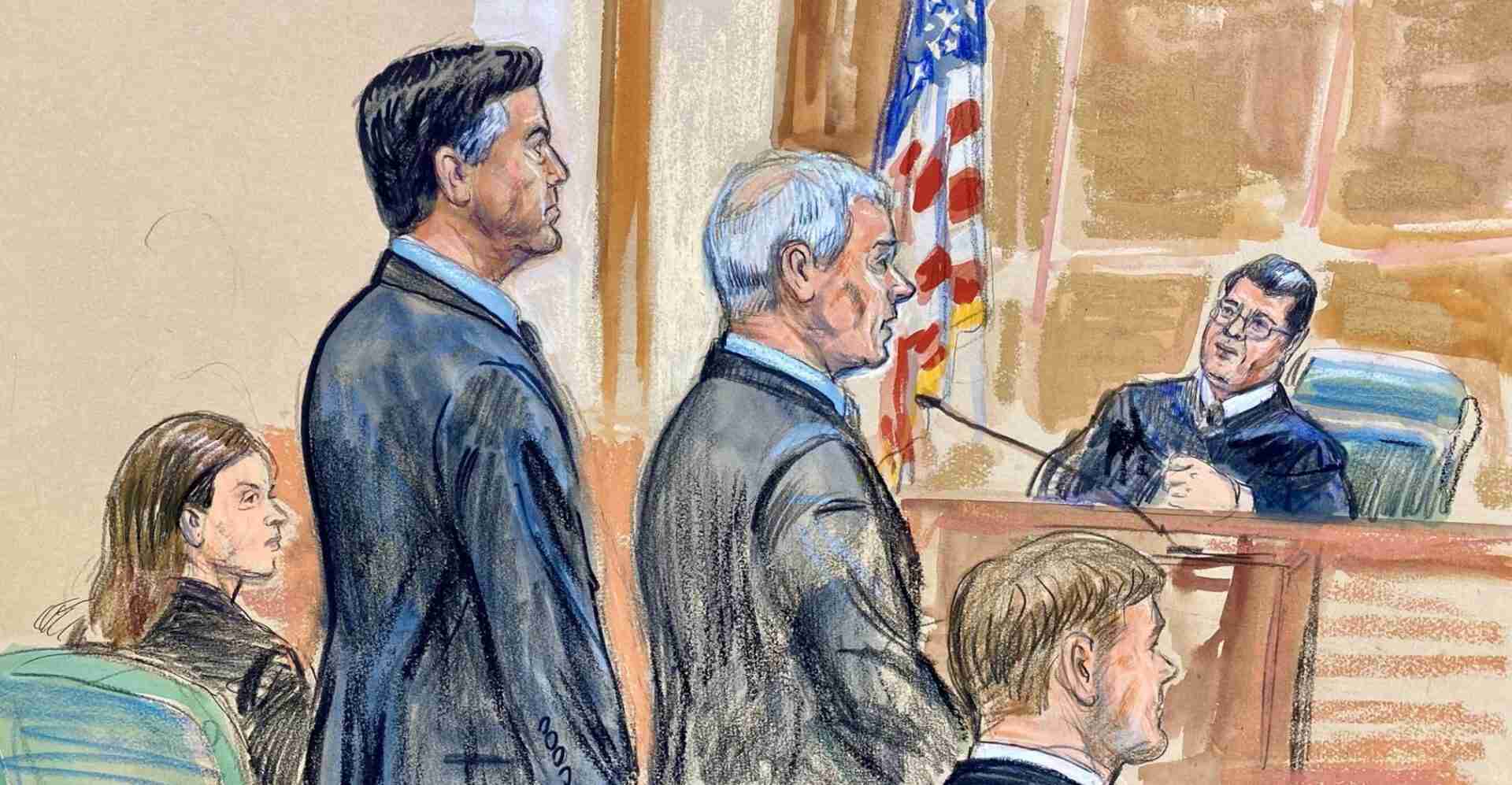
Judges Press Discovery, Raising Doubts About Trump’s Case Against James Comey
Federal judges and legal experts say President Trump’s public statements and alleged interference have seriously weakened the prosecution of former FBI Director James Comey, as discovery seeks internal records that could show political motives and prompt dismissal for vindictive or selective prosecution.
Key takeaways
- Judges are forcing broad discovery — internal emails, memos and notes could reveal whether the White House influenced charging decisions.
- Unusual prosecutorial shifts — career prosecutors who declined to charge were replaced by political appointees, prompting claims of Political Interference DOJ.
- Presidential statements may be admissible — retired judges and veterans say public pressure from the president strengthens Comey’s Vindictive Prosecution Allegations.
- California implications — politicized prosecutions could raise legal costs and spur calls for DOJ safeguards from state leaders and businesses.
Why judges are pressing discovery
Federal judges are invoking discovery rules to demand internal communications — emails, memos, drafts and meeting notes — that could reveal who advocated for the Comey indictment and why. Judges told attorneys they are prepared to examine any evidence suggesting the prosecution was shaped by the president’s public remarks or orders.
Several retired judges and veteran prosecutors indicated that the president’s statements may be admissible and useful to Comey’s defense in arguing for dismissal on grounds of vindictive or selective prosecution. Reporting and analysis cited by courts includes work from The Daily Beast and CBS News.
Legal experts point to unusual facts
Analysts and former prosecutors highlight several facts that strengthen Comey’s motion to dismiss:
- Public presidential pressure: Social media posts and private demands to the Attorney General are cited as breaking DOJ norms.
- Replacement of career officials: A career prosecutor who declined to bring charges was replaced by an appointee with limited federal criminal experience — a red flag for many observers.
- Judicial commentary: Retired judges such as John Jones and Shira Scheindlin said Comey has a “fighting chance” to win dismissal based on the record.
“The pattern of conduct here is stronger than most vindictive prosecution claims we have seen,” one retired jurist told reporters, underscoring how rare the facts appear.
Commentary from experts including Randall Eliason and Gene Rossi echoed that the administration’s conduct weakens the government’s position (see reporting from The Daily Beast and CBS News).
Indictment and disputed facts
The indictment centers on Comey’s 2020 congressional testimony, alleging false statements and obstruction tied to disclosures related to the Russia investigation. Comey denies wrongdoing and has pledged to fight the charges. His defense will press discovery motions to obtain records that could show the real reasons the case was brought.
Prosecutors say their evidence supports the two counts: making false statements to Congress and obstruction of a congressional proceeding. The defense counters that the prosecutorial record — if it shows political direction — could justify dismissal or may lead to acquittal at trial.
Prosecutorial turmoil and DOJ norms
Observers describe a worrying break with Department of Justice norms. Career U.S. Attorney Erik Siebert reportedly reviewed evidence and declined to move forward; he was later replaced by an appointee aligned with the president’s interests. Critics — including the Brennan Center — argue this pattern reflects Political Interference DOJ and risks eroding public trust.
How discovery could change the case
Discovery could be decisive. Judges may order the government to produce internal messages, draft charging memos and notes from meetings where the Comey indictment was discussed. If those documents show direct White House orders or consistent pressure, Comey’s lawyers could argue the prosecution was politically motivated — a development that would greatly complicate the government’s case and could lead to dismissal or acquittal.
What judges and experts are saying
Retired judges and veteran prosecutors cited in coverage stressed that the president’s public pressure strengthens Comey’s selective prosecution claim. They also noted judges would consider presidential statements as evidence of motive. Experts named in reports include Randall Eliason and Gene Rossi, who say the administration’s conduct undermines the prosecution’s prospects (see The Daily Beast, CBS News).
Implications for California
Economic impact: Businesses and legal teams in California may face higher compliance costs and uncertainty if federal prosecutions are perceived as politicized.
Political consequences: The case could motivate calls from state leaders for stronger DOJ safeguards and oversight to preserve impartial prosecutions.
Social effects: Eroding trust in federal law enforcement could reduce public cooperation with investigations and strain community relations with federal agents working in the state.
Practical applications: Lawyers advising California firms and public officials should monitor discovery rulings closely and prepare for broader disclosures of internal communications that may arise in politically sensitive federal matters.
Reporting and sources
This story draws on reporting and analysis from:
- The Daily Beast — Judges reveal how Donald Trump’s ‘big mouth’ could blow up his case against James Comey.
- CBS News — Trump attacks on Comey and leadership shifts in Virginia prosecutors’ office could undermine case.
- Brennan Center — Comey indictment shows danger of subservient prosecutors.
Legal proceedings in the Comey matter are ongoing. Judges’ discovery orders and any released records will be central to how the case moves forward and whether claims of Political Interference DOJ and Vindictive Prosecution Allegations succeed in court.