Trump administration signs off on Sites Reservoir project approval, clearing path for Colusa County reservoir that could boost California water supply
The Trump administration has approved the Sites Reservoir project in Colusa County, completing the federal environmental review and authorizing up to 25% federal cost coverage for an off‑stream reservoir meant to serve about 24 million Californians and 500,000 acres of farmland.
- Action taken: The U.S. Bureau of Reclamation issued a record of decision (ROD) approving the Sites Reservoir project and completing the federal environmental review.
- Federal funding: The ROD authorizes up to 25% federal cost coverage for the project.
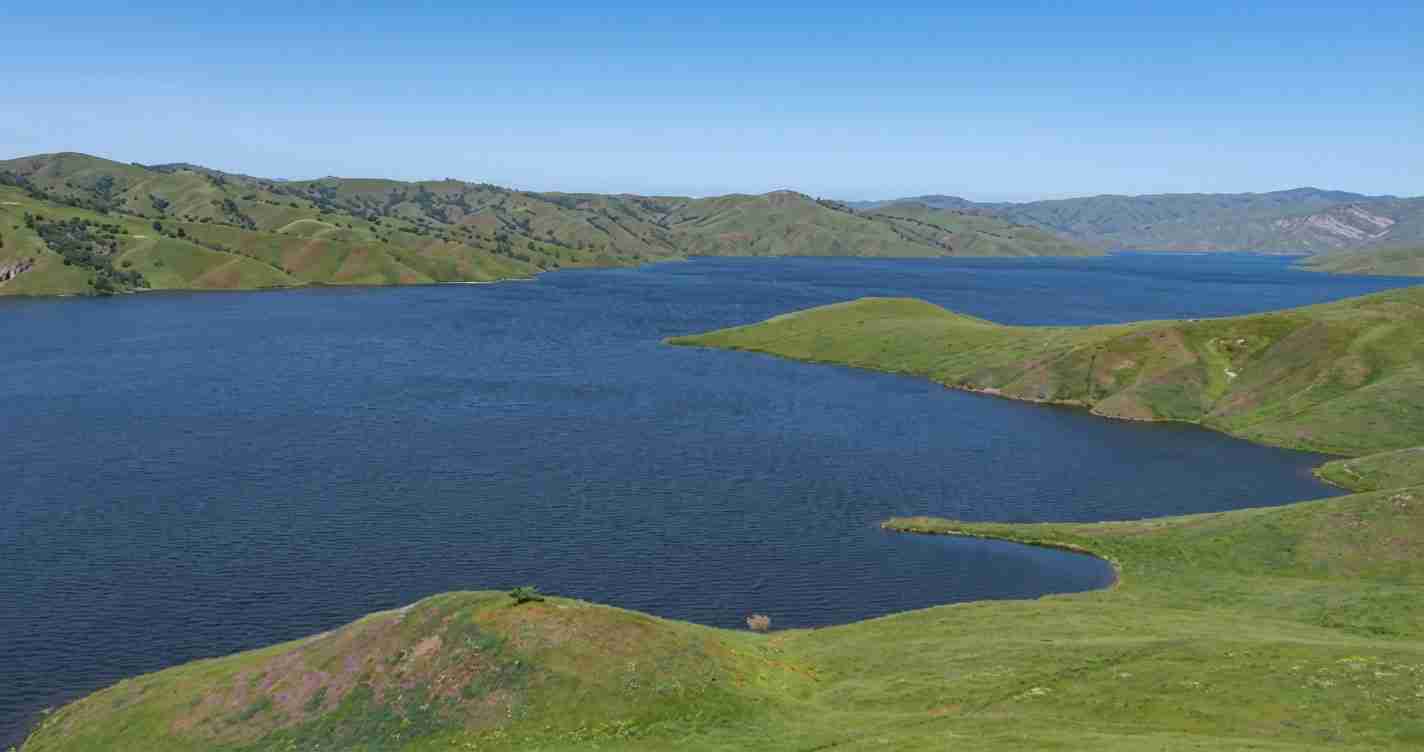
- Project scope: An off‑stream reservoir planned in open pasturelands near Maxwell in Colusa County, roughly 13 miles long, intended to serve irrigation and urban users.
- Beneficiaries: Planners estimate supplies could support 500,000 acres of Central Valley farmland and about 24 million people.
Background and context
The record of decision (ROD) from the U.S. Bureau of Reclamation is the formal federal sign‑off that follows the environmental impact review. The ROD clears the way for federal participation in the Sites project and signals agreement with the project’s environmental analysis, according to the Interior Department press release.
“Years of analysis, public engagement and coordination” have informed the decision, Andrea Travnicek said, a point officials used to underline readiness for permits, funding negotiations and construction planning — a summary reported by E&E News.
Why Sites matters
California’s water system relies on a network of reservoirs, rivers and groundwater. Sites is an off‑stream storage plan — water would be stored in a basin away from a main river channel, allowing capture of flows in wet periods for use in dry years. Project backers argue this flexibility can improve supply reliability for both agriculture and urban users (E&E News).
Planners project the reservoir could serve roughly 500,000 acres of Central Valley farmland and provide municipal water for about 24 million people, with named beneficiaries including Santa Clara County, parts of the East Bay and Los Angeles (E&E News).
Federal‑state coordination and politics
The Sites approval is notable for aligning the Trump administration with California Gov. Gavin Newsom — a rare intersection of federal and state priorities on major infrastructure. The ROD removes a major administrative hurdle and lets both levels of government pursue funding and permitting work (E&E News).
Federal messaging framed the action as a targeted investment to protect jobs and the broader economy while capping federal exposure at a 25% cost share, leaving the remainder to state, local and private partners (DOI).
Unanswered questions and next steps
The ROD does not include a construction start date, a final total cost, or a complete financing schedule. Federal and state officials must still finalize design, secure the remaining funding, negotiate agreements with water districts and obtain any outstanding permits (E&E News).
Local planning groups and sponsors will now move into engineering, funding and contracting phases, but observers note that moving from approval to operation can take years and requires sustained oversight to control costs and schedules (DOI).
Environmental review and public engagement
Federal officials emphasized the years of study and outreach behind the ROD. The Bureau of Reclamation’s decision follows an environmental impact statement process that included analyses of impacts and measures to reduce harm, intended to ensure compliance with federal laws (E&E News).
That said, public concerns and mitigation commitments remain. Local communities, ranchers and environmental groups are likely to stay engaged as permitting and funding details advance; the ROD does not eliminate debate, but it does provide a legal basis for further planning (DOI).
Implications for California
Economic: Approval could help protect jobs and farm incomes in the Central Valley by improving irrigation reliability for up to 500,000 acres, potentially reducing emergency water purchases and costly fallowing in dry years (E&E News).
Political: The federal sign‑off is a rare instance of cooperation across party lines and may ease next steps on funding and permitting; the 25% federal share also sets expectations for state and local partners to shoulder most costs (DOI).
Social & cultural: Colusa County will receive increased attention as planning proceeds; communities may see construction jobs but will also weigh land‑use and environmental trade‑offs. For distant urban water users, the project promises more reliable taps and potentially fewer emergency restrictions (E&E News).